Author: HCNewton Page 55 of 603

God of All Things by Andrew Wilson: Ordinary Stuff also tells of the glory of God

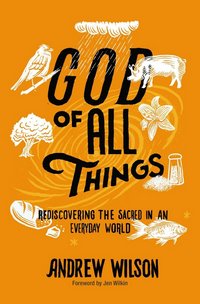
Cover of God of All Things by Andrew WilsonGod of All Things: Rediscovering the Sacred in an Everyday World

by Andrew Wilson

DETAILS:
Publisher: Zondervan
Publication Date: March 2, 2021
Format: Paperback
Length: 202 pgs.
Read Date: January 12-19, 2025

Buy from Bookshop.org Support Indie Bookstores

But instead [God] made a universe filled with things. Objects. stuff Planets, weather, colors, animals, vegetables, minerals. People, complete with noses and kidneys and bodily fluids. It is Curious: an immaterial and entirely spiritual God created a thoroughly material and physical world. Perhaps it should surprise us more than it does…

For Paul in Romans 1, creation reveals God’s invisible power and divine nature. Few of us can stand in front of the Grand Canyon or see a high-definition picture of the Horsehead Nebula without wanting to praise somebody or something for the majesty of what is before us. Some of us will suppress that urge. But those of us who don’t and allow the song of gratitude to swell within us like a storm will find ourselves concluding all sorts of things about our Maker. The God of the Sahara must be vast, boundless, and expansive. The God of quarks must have an unimaginable eye for detail. The God of wombats must have a sense of humor. Everything in creation has theological implications, and one of the joys of being human is figuring out what they are.

What all of these answers have in common is the fact that creation points beyond itself. Things ‘exist not for their own sakes but to draw us back to God. In Augustine’s image, the gifts of God in creation are like a boat which takes us back to our homeland: a means of transport which we can {and should} celebrate but never mistake for the destination itself. C. S. Lewis talks about following the sunbeams back to the sun so that we enjoy not just the object of goodness but the source of good. Creation preaches to us. The things of God reveal the God of things.

What’s God of All Things About?

That extended quotation from the Introduction is basically the foundation for this whole book (he does expand it a little from there). God made things. He uses those things to point to Him in various ways. This book takes 30 of the common, everyday things in this world and shows us (some of) the ways that they pointed to God and His redemptive work in Scripture—fifteen items per testament.

I won’t list all thirty things that get a short chapter devoted to them, but to give you an idea some are: earthuqakes, tools, honey, donkeys, flowers, pots, viruses, and flowers.

An Example

I really don’t know the best way to describe how Wilson approaches these items (although I don’t want to sound like every chapter follows the outline), so here’s a paragraph and change from Chapter 3, “Pigs: The Welcome of God”:

As gentiles, by nature unclean and separated from Israel ourselves, we can feel a certain sympathy for [pigs].

That is not where the similarity between pigs and gentiles stops. The first person who ever preached the gospel to gentiles was the apostle Peter, and he did so only because he saw a vision of a sheet full of unclean animals (Acts 10:9~16)—a vision in which, we may assume, pigs played a starring roleand heard a voice telling him to eat them, since “what God has made clean, do not call common” (v. 15). Non-Jewish people like me got baptized only because Peter saw a bunch of pigs and other unclean animals, and then saw a bunch of gentiles, and then saw the resemblance. “You yourselves know how unlawful it is for a Jew to associate with or to visit anyone of another nation,” he explained to the gentiles who had invited him over for a visit, “but God has shown me that I should not call any person common or unclean” (v. 28). That’s a nice way of putting it. Even Peter, not always the most diplomatic of the apostles, had the good manners not to mention that his hosts were the equivalent of a sheet full of pigs, scallops, and snakes.

Not only does that give you a little hint of Wilson’s voice, but it gives a flavor of his approach. That’s from the Old Testament portion, but he’s invoking Peter and events from the New Testament. He looks at the use of whatever item throughout the canon, showing how they’re used in the primary texts he’s considering, what they say about God, they say about redemption and people.

Strengths

There are several, really. Some of the chapters (like Rainbows) seem pretty obvious in the aim and content. The chapter on the Wind, on the other hand, went in directions I wasn’t expecting. But beyond that, what he did in a few pages to describe the work of the Spirit—particularly the discussion of “being filled with the Spirit”—was so rewarding.

The chapter on Salt was also helpful—if only for the discussion of how metaphors can have several interpretations and meanings at the same time. As anyone who has ever heard more than one sermon on Matthew 5:13 knows too well, it’s ripe for interpretation. Wilson wisely encourages readers to embrace the probability that Jesus meant more than one thing by the metaphor of salt.

So, what did I think about God of All Things?

We worship a God of things. The cosmos is filled with them: everyday, mundane, quotidian, humdrum, ordinary things. Sometimes they delight, sometimes they exasperate, and sometimes they escape detection altogether, but whether quietly or loudly, they insistently point beyond themselves to the God who made physical stuff. Everything in creation tells us something about our Creator.

More than once on The White Horse Inn, I heard Rod Rosenbladt say, “God likes stuff [or matter], he made it.” It’s this notion—reflected in this quotation here, or the one that kicked off this post—that is too easily forgotten by modern Christians who (like many others in the last 100+/- years) have adopted a quasi-Gnostic attitude toward matter and spirit. So any book that seeks to remind anyone of that deserves attention.

In many ways, this reminded me of Finding God in the Ordinary by Pierce Taylor Hibbs. But where Hibbs looked at things around him and used them to launch his thoughts God-ward, WIlson looks at things around people in the Bible and uses them to take in the themes from Scripture and launch thoughts God-ward from there. Similar ends, similar means—just slightly different starting points. I’m not suggesting one is superior to the other in any way. In fact, I’m trying to work both exercises into my own life.

It’s a quick read, it’s a fun read (Wilson’s gentle wit and fairly mainstream pop culture references are nice for that), it’ll likely cause you to think of a few things you haven’t before, or will be a reminder that it’s not just the big things in nature that testify to the glory of God (the heavens, stars, and so on), it’s the little things, too (salt, lilies, sparrows, falling hairs)—and things in-between. I recommend this for your attention, it’s fit for High School (maybe younger) and up. Which probably includes you, reader.


3 Stars

This post contains an affiliate link. If you purchase from it, I will get a small commission at no additional cost to you. As always, the opinions expressed are my own.

Irresponsible Reader Pilcrow Icon

Saturday Miscellany—3/1/25

I’ve barely been online this week, so I’m very glad that A Literary Escape and Pages Unbound posted some highlights from the month for me to glean from—I’d have enjoyed their posts regardless, but they helped bulk up this post.

Odds ‘n ends about books and reading that caught my eye this week. You’ve probably seen some/most/all of them, but just in case:
bullet The Ascendance of the Book Ladder: The history of a totally necessary invention—We all want one, why not learn a little about them?
bullet Little Free Library Study Reveals Benefits for Book-Impoverished Communities —No one will be (should be) walking away from this study saying, “Who’d have imagined this?” But it’s good to see someone finding evidence.
bullet Face Value: Translating Divergence—”Clare Richards underscores the significance of D/deaf, disabled, and/or neurodivergent writers and translators presenting their community on their own terms.” (as interesting as they are, I need to stop reading pieces from this site, it’s doing unhealthy things for my TBR)
bullet When Books Invade (But Make It Friendly)—This is one many of us can relate to, I expect. Particularly the first paragraph under “Why Read?.” Just from reading her historical book last year, I had the idea that Nadya Williams and I belonged to the same tribe. This is one more bit of proof.
bullet Taking the “Shoulds” Out of Reading—I really don’t auto-post everything Molly Templeton writes, it just feels like it. Worth the read for the last ‘graph alone (but the prior ones are good, too)
bullet Psychological Thrillers Are Finally Giving Middle-Aged Women Their Due—”[N]o one is pushed to the brink like a menopausal woman. And no one can fight for her life like her either.”
bullet Embrace Graphic Novels
bullet The Health Benefits of Reading Every Day
bullet About Community and the Future of the Narratess Indie Sale
bullet How to break up with Amazon as a Book Lover—It ain’t easy, so here’s some help
bullet If you’re not ready to do that yet, What Are Kindle Points & How Do You Use Them?
bullet The Classics: Shakespeare’s The Two Gentlemen in Verona, Love’s Labour’s Lost and Romeo and Juliet

To help talk about backlist titles (and just for fun), What Was I Talking About 10 Years Ago Week?
bullet I didn’t post about any books, but I talked about the releases of: Dorothy Parker Drank Here by Ellen Meister and Canary by Duane Swierczynski

This Week’s New Releases that I’m Excited About and/or You’ll Probably See Here Soon:
bullet His Truth Her Truth by Noelle Holten—Unreliable narrators in a domestic psycholigical thriller from one of this reader’s favorites. My March is pretty much planned already, but I’m going to squeeze this one in somehow.
bullet title by soandso—”a podcast producer agrees to host a new series about modern dating—but will the show jeopardize her chance at finding real love?” I don’t know that this would’ve popped up on my radar if Alan Sepinwall hadn’t been talking about it, but If he vouches for it, that’s good enough for me.
bullet The Fourth Consort by Edward Ashton—”Part first contact story, part dark comedy, and part bizarre love triangle, The Fourth Consort asks an important question: how far would you go to survive? And more importantly, how many drinks would you need to go there?” Go read the link for the whole blurb

A Day Without Books Probably Wouldn't Kill Me But Why Risk It?

Thriller – This or That

Thriller - This or That

Thanks to it being named The Write Reads’ Blog of the Day, I read February Reading Challenge: Dive into the World of Thrillers with “This or That” a few weeks ago, and instantly spent too long thinking about it. I know the post called for social media posts or comments to reply, but I decided to go for this instead. I thought I’d work in some recommendations along with my answers, but I have 143 pages of posts about this genre and that’s just too much to sift through.

Still, the prompts got into my head and I had to get something out.

1. Psychological Thriller or Action-Packed Thriller?

A good psychological thriller will keep me on the edge of my seat and jumping at shadows like everyone else. But I typically prefer the action-packed thriller—as long as there’s some depth to it, some decent psychology to the action and/or characters. Mindless action and destruction can be fun for a little bit, but they’re ultimately dissatisfying. By the same token, a bit of action goes a long way to improving a psychological thriller.


2. Unreliable Narrator or Detective Protagonist?

I won’t turn up my nose at a well-written unreliable narrator (or do I?). But Detective Protagonists are what got me into reading, sustained me when I really didn’t have time or resources to really read fiction, and—as anyone who’s spent 5 minutes looking at this site knows—I still read an unhealthy amount of Detective Novels. No contest.


3. Slow-Burn Suspense or Fast-Paced Plot Twists?

I honestly can’t decide—I’ve argued with myself for a few days over this. I really can’t choose. I probabaly read more Fast-Paced reads with good twists, but a Slow-Burn can be so satisfying that I don’t want to discount them. (as long as the slow-burn is actually burning, and not just meandering). This one’s a coin-toss.


4. Domestic Thriller or Crime Thriller?

I can enjoy and really get into a solid Domestic Thriller, one of my favorites so far this year is one. But Crime Thrillers are really my thing, part of that is their similarity to a good Detective novel. But it’s more than that—whether it’s a jaded criminal, a newbie criminal (who very likely won’t be around long enough to get jaded, a normal person having the worst day of their lives (whether or not they made a bad choice to put themselves there), or something beyond the typical Crime Thrillers—I can read those all day.


Go read the original and weigh-in there.

Irresponsible Reader Pilcrow Icon

WWW Wednesday—February 26, 2025

I’ve hit a run of not-great books lately. Nothing horrible, just books that I wanted more from. I’m sure that streak is about to end, but for now, getting through them (in the hope I’m about to be proven wrong) is such a slog. It actually saps some mental energy

WWW Wednesdays Logo

This meme was formerly hosted by MizB at A Daily Rhythm and revived on Taking on a World of Words—and shown to me by Aurore-Anne-Chehoke at Diary-of-a-black-city-girl.

The Three Ws are:
What are you currently reading?
What did you recently finish reading?
What do you think you’ll read next?

Seems easy enough, right? Let’s take a peek at this week’s answers:

What are you currently reading?

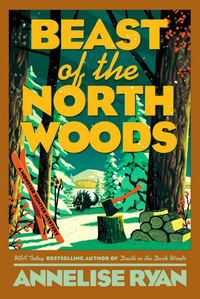
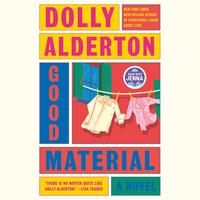
Cover of Beast of the North Woods by Annelise Ryan Cover of Good Material by Dolly Alderton
Beast of the North Woods
by Annelise Ryan
Good Material
by Dolly Alderton, read by Arthur Darvill & Vanessa Kirby

Ryan’s latest adventure is both more-of-the-same (but it’s still fresh enough to keep working) and I-can’t-believe-she’s-doing-this. In short, I’m enjoying this–it’s possible I’ll have just finished this about the time this posts–I imagine I’ll be pretty satisfied about now.

I don’t know why I’m still listening to Good Material, I have to say. Andy is very likely the least likable protagonist I’ve come across in months. And I’ve read/listened to books with murderers and assassins as the main characters. Andy is just a whiny man-child whose stand-up had better be a lot funnier than his narration. I’ve yet to see any reason for this story to be told–or what the story is, really. Maybe it’s the narration by Arthur Darville, and my subconscious recognized him and kicked in the loyalty he’s earned from screen roles (the rest of my brain caught up as I was putting this post together). Also, I’m at 56% and have yet to run into Kirby (and was surprised to learn I’m supposed to).

What did you recently finish reading?

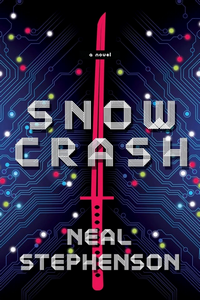
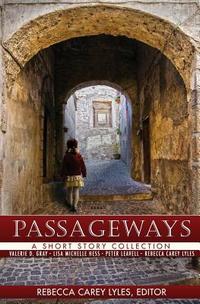
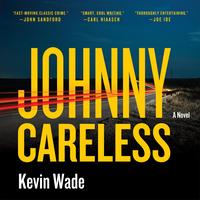
Cover of Snow Crash by Neal Stephenson Cover of Passageways by Rebecca Carey Lyles Cover of Johnny Careless by Kevin Wade
Snow Crash
by Neal Stephenson
Passageways
by Rebecca Carey Lyles, Editor
Johnny Careless
by Kevin Wade, read by John Pirhalla

I’m so glad that I finally finished Snow Crash (although you could argue that Stephenson didn’t actually finish it, he just stopped writing). A lot of it fell flat, but when it worked? It was so money, baby…

Similarly, there were some really good starts to short stories in Passageways, but few of them delivered on the end (or middle, too often).

I’m not sure that I’m going to muster up the energy required to say much about Johnny Careless, it’s a thing I listened to. I wouldn’t rail against it, but I’m sure not going to encourage anyone to give it a shot.

What do you think you’ll read next?

<

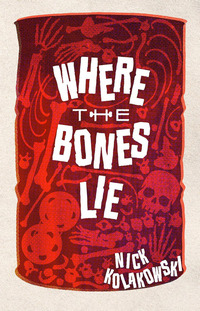
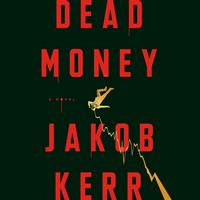
Cover of Where the Bones Lie by Nick Kolakowski Cover of Dead Money by Jakob Kerr
Where the Bones Lie
by Nick Kolakowski
Dead Money
by Jakob Kerr, read by Rachel Music

For years, all I’ve needed on a cover is “Nick Kolakowski” to want to read it. But I know that most of you need more than that to get convinced–okay, this is a modern PI noir set in the seedy side of Hollywood–where so much of the best PI noir from the last 100 years comes from. I expect this to be fast, furious, and a little unnerving.

Yeah, Dead Money was in this spot last week, too. But I decided I wanted a genre break, so I put it off. This debut thriller still looks pretty good to me.

Is February ending on a high note for you?

(slightly updated) REPOST: Buddy the Knight and The Queen of Sorrow by Peter David: A Tale of Friendship, Devotion, Bravery and Heart

I’m excited to welcome The Write Reads Blog Tour for Peter David’s Buddy the Knight and The Queen of Sorrow to The Irresponsible Reader today. It was one of my favorite fantasy novels of 2024, and I named David as one of my 10 favorite New-to-Me Authors because of this book. So getting the chance to share about this book again is something I had to jump at. I’ve posted a Spotlight about the book earlier and now’s here’s a tweaked version of my original post about the book. I’d also encourage you to go to https://twitter.com/WriteReadsTours feed to see all the great things that have been said about the book over the last week or so. Then get the book. Or get the book and then read everything we wrote about it. Or just get the book. I’m not picky.

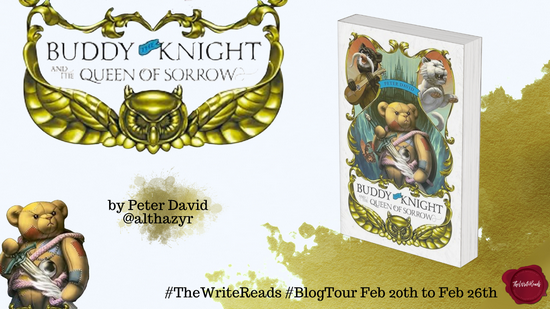
Buddy the Knight and The Queen of Sorrow by Peter David Tour Banner

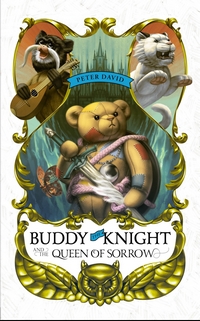
Cover of Buddy the Knight and The Queen of Sorrow by Peter DavidBuddy the Knight and The Queen of Sorrow

by Peter David

DETAILS:
Publication Date: August 22, 2024
Format: eARC
Length: 168 pg.
Read Date: September 2, 2024
Buy from Bookshop.org Support Indie Bookstores

What’s Buddy the Knight and The Queen of Sorrow About?

Buddy the Knight is a teddy bear. A valiant teddy bear, devoted to protecting his Person from the monsters from The Realm-Under-The-Bed. He’s a knight and has spent years defending a little girl named Mieya from these fearsome foes. He’s frequently assisted by his companion, a stuffed tamarin—a mandolin-playing bard. Esteban not only fights at Buddy’s side, but his songs frequently tell the tales of Buddy’s victories.

One night before Buddy can dispatch it, a monster inscribes a rune over Mieya—one that will bring her certain doom unless Buddy can defeat the monster’s master—the Queen of Sorrows. Buddy is given an enchanted googly eye to guide him and Esteban as they journey to the heart of The Realm-Under-The-Bed to find this Queen. There are countless enemies and obstacles along the way, but they have until dawn breaks to complete their quest, so they will have to be quick as well as brave.

The Cover

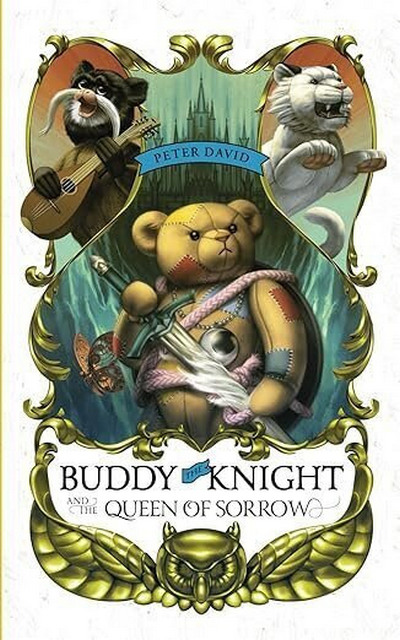
I don’t do this enough, but I need to call out the cover here. Candice Broersma knocked it out of the park with this one. I just love this cover. It’s one that you want to have on your shelf/eReader.

Also, I’d buy a print if Broersma/David were to make them available.*

* After my original post, Peter David let me know that Broersma does sell these prints. My copy looks as good as I’d figured.

A Little Treat

There’s a reference at one point to a series of books that Mieya read. I hope, hope, hope that kids who read this have their curiosity piqued and go ask someone (like a librarian or bookseller) what it might be a reference to and then read those books. They’ll be in for (another) treat if they do.

Just seeing the reference was enough for me.

There are other nods to fiction and movies, too—cleverly hidden throughout, and just enough to make the grown-ups reading this smile (the Captain Shakespeare/Captain Johannas Alberic nod was particularly well done). None of them made me quite as happy as the series of books she read, but that’s me. You (if you’re above the age of 15), will likely have other favorites—but you’ll enjoy all that you catch.

So, what did I think about Buddy the Knight and The Queen of Sorrow?

I know that many people think that Paladins are boring characters. I’m not one of them—just think of Sturm Brightblade, Superman, Michael Carpenter, or Paksenarrion and tell me they aren’t great to read (okay, some people have made Supes a little boring—but not all of them). Buddy the Knight is yet another entry in the Great Paladin Characters list I should get around to compiling sometime.

Esteban is one of the better comic relief sidekicks with a lot of heart, too. He’s as funny and heartfelt as Shrek‘s Donkey with the devotion of Samwise Gamgee. The other allies and people—including the sentient magic sword—who help Buddy out are really well done, too.

The monsters, other antagonists, and (of course) the Queen of Sorrows are equally well depicted—but unlike the above, you really don’t want to spend time with them. They’re all drawn from types we’ve all seen before, but given a twist to make them feel new—and the reason we’ve all seen them before anyway is that they’re just about always compelling, and with David’s twist? They’re just what this book needed.

Throughout the book—either in flashbacks that Buddy has to his maker’s lessons or in the things the characters say to motivate each other or themselves—the reader is going to get a lot of slogans, life lessons, or morals thrown at them. I appreciated reading them—and I expect that readers 40 years (plus or minus a couple) younger than me will, too. Coming from stuffed animals probably makes them more palatable and somehow less corny than they’d be coming from an authority figure (in fiction or real life). It’s likely that some of these will get lodged in the back of a young reader’s mind and will prove beneficial later in life.

The story itself is a pretty straightforward Fantasy tale—the hero and his allies (some picked up along the way) are on a journey with a deadline to fight a powerful in order to rescue someone. As always, it too, is effective.

There’s a lightness to the prose, but it’s not a comedy—it comes across as whimsical and fantastical. It will charm you as it draws you in. We don’t really see Mieya in action and don’t get to know her, but we want her safe, we worry for her, because Buddy, Esteban, and the others are so devoted to her. We care about her because we care about the bear and the tamarin, and anything they think is important we think is important.

This is the kind of book that 10 year-old me would’ve curled up with and read and re-read. It’s also the kind of thing that my kids would’ve loved—and I’d have had a blast reading to them. And 51 year-old me was just about as captivated with it as my younger self would’ve been. I strongly recommend this to those young at heart and those young readers you happen to buy books for. I’ll note that the grown-ups that I’ve suggested this to in the months since I originally posted this have all agreed with me. You’ll be glad you gave this Teddy Bear Fantasy a try.

Disclaimer: I received a copy of this eARC from the author in exchange for my honest opinion.


4 1/2 Stars

This post contains an affiliate link. If you purchase from it, I will get a small commission at no additional cost to you. As always, the opinions expressed are my own.

My thanks to The Write Reads for the invitation to participate in this tour and the materials they provided.

BOOK SPOTLIGHT: Buddy the Knight and The Queen of Sorrow by Peter David

I’m excited to welcome The Write Reads Blog Tour for Peter David’s Buddy the Knight and The Queen of Sorrow to The Irresponsible Reader today. It was one of my favorite fantasy novels of 2024, and I named David as one of my 10 favorite New-to-Me Authors because of this book. So getting the chance to share about this book again is something I had to jump at. I’ll be reposting a slightly modified version of my original post about the book here in a bit. But for now, let’s look at this Spotlight. You should also go to https://twitter.com/WriteReadsTours feed to see all the great things that have been said about the book over the last week or so. Then get the book. Or get the book and then read everything we wrote about it. Or just get the book. I’m not picky.

Buddy the Knight and The Queen of Sorrow by Peter David Tour Banner

Book Details:

Title: Buddy the Knight and The Queen of Sorrow by Peter David
Genre: Fantasy
Age Category: Middle Grade
Format: Paperback/eBook
Length: 160 pages
Publication Date: August 30, 2024
Fallen Knight by Buddy the Knight and The Queen of Sorrow by Peter David Cover

About the Book:

Buddy is no ordinary teddy bear.

He’s a Knight, crafted by The Nameless Wizard himself, and sworn to protect his Person, 10-year old Mieya, from all the Things-That-Go-Bump-In-The-Night.

When Mieya is cursed into a magical sleep, it’s up to Buddy and his friends Esteban the Bard, Sasha the Warrior-Princess, and Copper the Butterfly to journey across The Realm-Under-The-Bed and find the one responsible.

But this is no ordinary Quest. The Realm is a dangerous place, filled with jungles, deserts, lightning storms, and Monsters. But worst of all is The Queen of Sorrow who waits for them in her dark castle in the crags. To break her curse, Buddy will need more than his skill with a blade, Esteban’s witty songs, or Sasha’s ferocious might.

He’ll need Heart.


Book Links:

Amazon UK ~ Amazon US ~ Amazon CA ~ Goodreads ~ Storygraph ~ Universal Link

About the Author:

Peter David
A native son of Massachusetts, Peter has been living in the Deep South for over 25 years. By day, he’s an insurance professional, saving the world one policy at a time. But at night, well, no one really wants to see him fighting crime in his Spider-Man onesie. Instead, Peter develops new worlds of adventure influenced by his love of science fiction, mysteries, music and fantasy. Whether it’s running role-playing games for his long-time friends, watching his beloved New England sporting teams vie for another championship, or just chilling with a movie, his wife, two boys, one puppy and three cats, Peter’s imagination is always on the move. It’s the reason why his stories are an eclectic blend of intrigue, excitement, humor and magic, drawn from four decade’s worth of television, film, novels and comic books.

Author Links:

Website ~ Bluesky ~ Twitter


My thanks to The Write Reads for the invitation to participate in this tour and the materials they provided.

MUSIC MONDAY: “Oreo Cookie Blues” by Lonnie Mack

The Irresponsible Reader's Music Monday logo

Music Monday's originated at The Tattooed Book Geek's fantastic blog and has shown up hither, thither, and yon since then.

Irresponsible Reader Pilcrow Icon

Installment Immortality by Seanan McGuire: G-G-G-Ghosts!

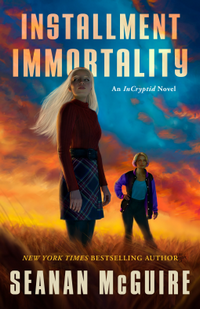
Cover of Installment Immortality by Seanan McGuireInstallment Immortality

by Seanan McGuire

DETAILS:
Series: InCryptid, #14
Publisher: Tor Books
Publication Date: March 11, 2025
Format: eARC
Length: 432 pg.
Read Date: February 12-17, 2025
Buy from Bookshop.org Support Indie Bookstores


Obviously, there are some spoilers about the previous novel in the series, Aftermarket Afterlife to follow. And, you could probably say the same for the series as a whole. Take that into consideration if you read beyond the period at the end of this sentence.

What’s Installment Immortality About?

In the months that it took Mary to put herself back together after the attack on their training headquarters, the Covenant hasn’t been quiet. In fact, as they knew a ghost was involved in the attack, some of them have been targeting ghosts up and down the East Coast.

The anima mundi, still rebuilding its control, recruits (to put it nicely) Mary to stop them and rescue what ghosts she can. Mary gets permission to bring along some help from her family (the kind of help that can’t, say, get stuck in a ghost jar)—she doesn’t intend to, but she ends up bringing along Elsie and Arthur who have a need to do something, anything, to help them move on from their mother’s death.

So begins a cross-country trip filled with more danger than they expect (and they expect a lot).

More Mary

This book, like its predecessor, has done a fantastic job of showing the place of Mary in this family. She’s far more than just a quick message-delivery-system, or a genie that can show up at just the right time (she never really came across that way, but it’d be easy to see her filling those roles). It’s both heart-warming and heart-tugging.

She’s also changed a lot—thanks to Annie’s intervention at the Crossroads, and because of her new/growing relationship to the anima mundi. And there are more changes on the horizon—which will be fun to watch as people like me have become more invested in her after the last book.

I thought I had several things to say about Mary here, but just about all of them would need to be redacted. I really enjoyed our time with her, and while I expect that we’re going to be spending a few books focused on other characters after this one (Verity or Elsie are my guesses, which means it’ll probably be Alex), I’m looking forward to seeing what this new part of her life—ahem, afterlife—brings us.

Elsie and Arthur

Poor Arthur—I thought I had a pretty good handle on what was going on with him after the last book, but of course, there’s a lot more afoot than we could’ve known. With plenty of time with him—to see him interact with Mary and his sister, we get to hear a lot more from him and understand things from his perspective.

Then we learn even more from some outsiders. We’re going to have to spend some more time with Arthur soon, because leaving him where McGuire did is not comfortable.

Elsie, on the other hand, surprised me. I figured that like with Alex and Annie—and even the babysitter—when she got a chance to shine, she’d step up and show herself to be exactly the kind of kick-ass heroine that the Prices and Healys seem to specialize in. I won’t get into details, but she’s not cut from the same cloth as her cousins—but that doesn’t mean she should be taken lightly. It’s just that there’s an element of diversity even here that I wasn’t expecting, and I’m glad to see. I think it would’ve been boring to see her transform into a variation of Verity or Alice.

More interestingly than that for her was seeing her relationship with Arthur and how she’s reacting toward the Aeslin mice in their home.

So, what did I think about Installment Immortality?

This was a little bit of a let-down after the Aftermarket Afterlife. It was primarily a follow-up to it, tying up loose ends and getting us all ready for whatever is next. As such, it’s not going to be as good, it can’t be as powerful, and it should help the reader catch our breath. Also, saying it’s not quite as good as one of the best books in this series is not much of an insult.

But, oh man…there were so many things that are great about this book. For one example, there’s a conversation between Mary and one of the Aeslin Mice that is incredibly strange. And if you remember that we’re talking about a conversation between a ghost and a sentient, talking mouse with a perfect memory…strange should be expected. Not this level of it.

Of course, we get to meet new Cryptids, and more than a few ghosts. Their perspectives on the Prices, on the war with the Covenant, on Mary and the Crossroads (many don’t believe the Crossroads are gone, for example), and so on, are fascinating. It’s a good reminder—that we occasionally get, but not as strongly as we do here—how much people don’t instinctively trust this family. But we also get a variety of reactions to them along those lines.

This was very satisfying in terms of long-term character arcs, the war arc, and so on. Installment Immortality was also satisfying on its own terms. There’s some good supernatural, ghosty action. Some good reminders that the dead should not be messed with. Strong character development—no one leaves this book the way they came in. And some sweet moments that remind you that everyone can use a dog in their life.

This is not a book to jump into the series with, unless you want to spend a lot of time confused—Aftermarket Afterlife would function far better for that (as would starting at the beginning). But for long-term fans, this is exactly what they were looking for.

Disclaimer: I received this eARC from Tor Publishing Group via NetGalley in exchange for this post which contains my honest opinion—thanks to both for this.


4 Stars
This post contains an affiliate link. If you purchase from it, I will get a small commission at no additional cost to you. As always, the opinions expressed are my own.
Irresponsible Reader Pilcrow Icon

The Abolition of Man by C. S. Lewis: What Can Happen When a Bad Review Copy Falls Into the Right Hands

Further Up and Further In A Year with C.S.Lewis

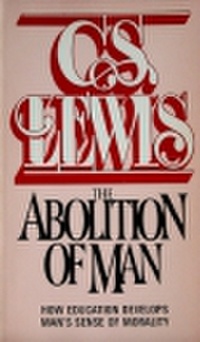
Cover of The Abolition of Man by CS LewisThe Abolition of Man: Reflections on Education with Special Reference to the Teaching of English in the Upper Forms of Schools

by C. S. Lewis

DETAILS: 
Publisher: Macmillan Publishing Company
Publication Date: September 1, 1978 
Format: Paperback
Length: 91 pg.
Read Date: February 2, 2025
Buy from Bookshop.org Support Indie Bookstores

This thing which I have called for convenience the Tao, and which others may call Natural Law or Traditional Morality or the First Principles of Practical Reason or the First Platitudes, is not one among a series of possible systems of value. It is the sole source of all value judgements. If it is rejected, all value is rejected. If any value ts retained, it is retained. The effort to refute and raise a new system of value in its place is self-contradictory. There never has been, and never will be, a radically new judgement of value in the history of the world.

What’s The Abolition of Man About?

This starts off with starts off as a review of a textbook or two, “Teaching of English in the Upper Forms of Schools” (to quote the subtitle). He has strong objections to the direction (and the foundation) these books are taking. From there he shifts into English schooling/thinking in general, and the deficiencies he sees in it and what he fears it means for the nation as a whole.

This centers on the idea that English teachers and schools are abandoning objective truth, which he mounts a defense of while writing about what he thinks will happen to a society that abandons it.

English Education

This begins, as I said (as does the subtitle) by reviewing a couple of textbooks used in English classes in the upper grades. Lewis had been sent review copies of them and took issue with a lot of what he said.

Lewis (in a move I could never duplicate) doesn’t want to seem ungrateful for these copies, so disguises the authors and titles before he starts explaining the problems. I don’t know if his original audience could see through his thin disguises—or if that just became clearer later. I suspect the former.

From what he tells us about these books, I think he was being too generous in his appraisal. This was some lousy curriculum.

I’d have appreciated more along these lines—but I get why Lewis moved on to other things.

The Tao

As Lewis begins to leave the realm of English education toward looking at education—and thinking—as a whole, he begins to utilize and develop his concept of a Tao:

It is the doctrine of objective value, the belief that certain attitudes are really true, and others really false, to the kind of thing the universe is and the kind of things we are.

As the quotation that opened this post indicates, this comes in many names—Natural Law, Natural Revelation, “Traditional Morality,” and so on.

With the Tao, as assumed and/or believed throughout the world for most of human history, we get absolutes. We get objective values, objective truth. As we begin to neglect or throw off the concept of objective truth for subjectivity—or, worse yet, “pure” Reason on its own. We lose the basis of all civilization, the basis of the value of life and individual rights, and so much more.

While I think he could’ve been more thorough in his explanation of the Tao and in explaining his arguments—t’s hard not to look at the world around us today, as it’s developed (devolved?) since the early days of WWII when these lectures were delivered, and not think that Lewis was on to something.

One Issue that Troubles Me

In order to avoid misunderstanding, I may add that though I myself am a Theist, and indeed a Christian, I am not here attempting any indirect argument for Theism. I am simply arguing that if we are to have Values at all we must accept the ultimate platitudes of Practical Reason as having absolute validity: that any attempt, having become skeptical about these, to reintroduce value lower down on some supposedly more ‘realistic’ basis, is doomed. Whether this position implies a supernatural origin for the Tao is a question I am not here concerned with.

As good as this sounds—as reasonable, as open-minded, as whatever you might want to call it—I’m unconvinced that this is a position that a Christian can self-consciously hold (without trying to call into doubt Lewis’ faith, I just think he’s inconsistent on this point).

I have trouble holding that a consistent position regarding Practical Reason—or anything else, whatever “Values” you might choose—having absolute validity separate from the inspired Christian Scriptures is possible. I realize those of us who hold that kind of thinking are a minority in the history of the Church, but I can’t argue myself out of it. Lewis’ attempt to build his argument—his Tao—in this way is the part of this book that keeps me from getting super-excited about it.

The Appendix

The appendix features quotations from a variety of ancient (and less ancient) texts from around the globe illustrating that several civilizations held to certain positions on a variety of issues. This isn’t to prove the existence of his Tao (or whatever you want to call it); it’s to demonstrate that it exists in the way that “everyone” holds to something very much like each other in certain aspects.

I don’t know if I can take it as confidently as Lewis did—but I get what he’s trying to show, and can appreciate it

So, what did I think about The Abolition of Man?

I remember the first time I read this—in 1992 or 1993—and a few times since that this argument, this look toward the objective and the importance of it, while not absolutizing Science or much of anything else, hit me hard, impressed me, and really formed a lot of my thinking.

I wasn’t as impressed this time (at least a decade since my last reading)—don’t get me wrong, it’s good, and I share a lot of the concerns and convictions with Lewis. But I wonder if he goes as deeply as we need today. It’s not enough to argue for a vague absolute—we need to understand the absolute, and where it comes from. There’s also the question of what do we do when we cannot agree on absolutes in a civic society, how do we approach this with wisdom and grace. I believe Lewis would have a lot to teach us—even if I objected to some of it. I understand that given the nature of this book (written version of lectures), his cultural context, and the enemies (literal and figurative) he had in mind, why we don’t get that book here.

Also, even the English curriculum he critiqued is better than a lot of what is given today (by all sorts of stripes of schools).

That said—this is a superior work to The Problem of Pain that takes advantage of Lewis’ strengths in a way the other couldn’t while not exposing many of his weaknesses as the previous book did. He’s got better works waiting for me, and I’m eager to get to them.


3.5 Stars

This post contains an affiliate link. If you purchase from it, I will get a small commission at no additional cost to you. As always, the opinions expressed are my own.
Irresponsible Reader Pilcrow Icon

Saturday Miscellany—2/22/25

Odds ‘n ends about books and reading that caught my eye this week. You’ve probably seen some/most/all of them, but just in case:
bullet 10 Book Displays I’d Love to See at the Public Library—I’ve honestly never stopped to think about this kind of thing (don’t think I’m going to start, either, but I’m glad someone does)
bullet Golden Rules of Reading—Mind Your Manners in the Bookish World—somehow slipped by me last month
bullet This follow-up/expansion on a point is also worth your time: Don’t Yuck My Yum—Why We Need to Stop Shaming People’s Tastes (also, I’m just enjoying saying “don’t yuck my yum”)
bullet Love Story or Romance: Is There a Difference?
bullet Toxic Love Affairs in Literature—I’ve only read two of these, and (unusually for me) am very glad that’s the case. Good writing really does get us to accept some lousy/creepy/skeevy behavior, doesn’t it? (as if Humbert Humbert alone wasn’t proof of that).
bullet A Few of My Childhood Favorites—A nice stroll down memory lane. I didn’t discover Caddie Woodlawn until my kids read it, but it’s nice to see it getting some love. I’m pretty sure I’d have read that one more than anything about the Ingalls clan if I found it at the right age.
bullet (Some) Indie Book Recommendations—Rebecca Crunden has put together a good-looking list here
bullet The 10 Best Self-Published Books I’ve Ever Read—Seplls and Spaceships has featured a lot of Self-Pub books.
bullet Genre Focus: LitRPG—Witty and Sarcastic Book Club is back with another focus on a Fantasy Sub-Genre, this time, it’s all about LitRPG. I probably know less about this one than any other type of Fantasy, so I really need this.
bullet …Featuring Justin Marks
bullet …Featuring David Dalglish
bullet …Featuring BardLyre
bullet …Featuring SerasStreams
bullet …Featuring CT Phipps
bullet February Reading Challenge: Dive into the World of Thrillers with “This or That”—ew…tough choices

To help talk about backlist titles (and just for fun), What Was I Talking About 10 Years Ago Week?
bullet Firefight by Brandon Sanderson
bullet Gemini Cell by Myke Cole
bullet Plus One by Christopher Noxon—Nunc hoc in marmore non est incisum
bullet And I noted the releases of: Half the World by Joe Abercrombie; Department 19: Zero Hour by Will Hill; and Shoot This One by Javier Grillo-Marxuach. Three books I never got around to buying or reading. oops.

This (or last) Week’s New Releases that I’m Excited About and/or You’ll Probably See Here Soon:
bullet Not Marriage Material: Not a Romance Anthology edited by Sue Bavey—”In this non-fiction anthology, twenty authors and poets celebrate the ones who got away and the ones they were lucky enough to get away from. These relationships may not have ended in marriage, but they have provided us with entertaining stories.” I can’t believe I forgot to mention this last week, especially as I helped spread the word when she was looking for submissions. It does look like a fun way to spend some time.
bullet Picks and Shovels by Cory Doctorow—”The year is 1986. The city is San Francisco. Here, Martin Hench will invent the forensic accountant–what a bounty hunter is to people, he is to money–but for now he’s an MIT dropout odd-jobbing his way around a city still reeling from the invention of a revolutionary new technology that will change everything about crime forever,” the PC. I really need to start reading Doctorow, he says for (at least) the 13th year running.

I met a dragon face to face - the year when I was ten,  - I took a trip to outer space,  - I braved a pirate's den,  - I wrestled with a wicked troll,
and fought a great white shark, - I trailed a rabbit down a hole, - I hunted for a snark. - I stowed aboard a submarine, - I opened magic doors, - I traveled in a time machine, - and searched for dinosaurs, - I climbed atop a giant's head, - I found a pot of gold, - I did all this in books I read - when I was ten years old. Jack Prelutsky

Page 55 of 603

Powered by WordPress & Theme by Anders Norén