

Tag: Jarod K. Anderson

PUB DAY REPOST: Strange Animals by Jarod K. Anderson: Gas Station Magicians, Uncommon Creatures, and Wolves Without Enough Skin.

I’d intended this to go up Tuesday, and just couldn’t get the words to come off my fingers right. I’m still not sure I did, but it’s close.
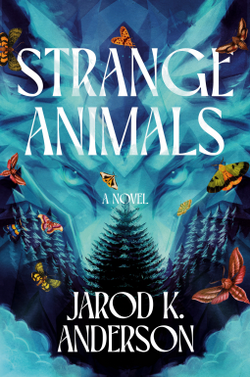

Cover of Strange Animals by Jarod K. AndersonStrange Animals

by Jarod K. Anderson

DETAILS:
Publisher: Ballantine Books
Publication Date: February 10, 2026
Format: eARC
Length: 320 pgs.
Read Date: January 23, 2026

Buy from Bookshop.org Support Indie Bookstores

What’s Strange Animals About?

Following a strange near-death experience, Green feels a compulsion to get back to nature. Well, maybe not “back,” he seems like someone very comfortable in the city. But you get what I mean.

So he sells his home, quits his job, puts everything in storage, and heads out. He’s drawn to Appalachia and sets out to find a long-term campsite to start whatever this next stage of life is.

Along the way, Green meets some delightfully odd characters—and I wish I had the room to talk about them, but you want Anderson to introduce you to them anyway.

His first night in his campsite he sees animals that can’t exist. He’d be tempted to think he had a hallucination or two if it weren’t for some evidence that people who weren’t around can also see.

From there, Green starts to learn about strange creatures all around him—and learns not to call them strange. They’re not strange, they’re not monsters (despite what some appear to be) or anything else derogatory. They’re simply uncommon—so uncommon that very few can see them. But Earth is just as much their home as it is to mice, giraffes, or emus. Of course, not every common animal should be around people, and that applies to some of these uncommon creatures, too.

Can Green and his new friends stop one who seems to be hunting humans?

Why did I pick this up? Why did I keep reading?

I can’t tell you specifically what it was that appealed to me in the NetGalley advertisement I got for this book, but it intrigued me. Lightly skimming Witty & Sarcastic Book Club’s post about it intensified that (I only read deep enough to pick up her tone, so I didn’t inadvertently steal any of her points).

What kept me reading? There was something about Chapter 0 that got me. It didn’t matter what happened for the rest of the book—I was sold, and the rest of the book was going to have to be really lousy to get the hook that it put in me dislodged. At the end of Chapter 1, my notes read, “I think I might be falling in love with this book.”

And yes, I said Chapter 0—that wasn’t a typo. Anyone who numbers chapters like that has to intrigue a reader, right?

What does this book tell us about humanity?

I walked away with two things on this front.

First, humans need nature. Plants, animals, sunsets/rises—the works. When we shut up and pay attention to it—better if we can get further away from population centers (as nice as they and their technologies and comforts may be) to focus on it—there’s a benefit to our health. At least mental. Probably physical—and spiritual (depending on how you want to define that). This is the central drive for Green—and while it ends up not being what he expected, it’s this that fulfills him. As he connects with both the common and uncommon around him, he’s renewed and bettered.

Second, and it’s hard to say which is more important, is that people need—and will find—community. In this case, Green finds a few groups of people and brings a couple together (or at least is a bridge between them). He’s an outsider to this area, but finds himself befriending these groups almost instantly. These two—and one much larger—converge on the area (more precisely, Green and his teacher) when the chips are down, and people need help. Somewhat to protect people in general, but largely to protect “their people” (for lack of a better term). The communities step up in a way that we all want to see—and frequently do. It’s rather encouraging.

So, what did I think about Strange Animals?

Anderson checks all the boxes here—he can put together a sentence just right, if this wasn’t an ARC, I’d be struggling to keep my quotations to a reasonable limit; he creates fantastic characters and gets the reader to invest in them with very few words (and rewards that investment); the imagination demonstrated in this world and the uncommon animals—and the depiction of the common flora and fauna—makes you want to see more from him; and he can tell a pretty engaging story. Check, check, check, and check. If there are problems with this book, they’re minor.

Okay, there’s something toward the end that I’m rabidly curious about and want to know so much more about what happens. But I’m really glad Anderson just elides past it.

Still, if he wants to give me a call and describe it to me, I’ll give him my number.

This is not your typical Fantasy novel, for sure. It captures an Appalachian area in a similar way (though in different states) that Alex Bledsoe’s Tufa series did, which really makes me want to visit the real world version. Actually, as I say that, I realize that this book left me feeling the same way that the first Tufa novel, The Hum and the Shiver did. There are few books that I can say that about.

There’s something special going on in these pages. I encourage you to look into them yourself and see if you agree.

Disclaimer: I received this eARC from Ballantine Books via NetGalley in exchange for this post which contains my honest opinion—thanks to both for this.

This post contains an affiliate link. If you purchase from it, I will get a small commission at no additional cost to you. As always, the opinions expressed are my own.
Irresponsible Reader Pilcrow Icon

Strange Animals by Jarod K. Anderson: Gas Station Magicians, Uncommon Creatures, and Wolves Without Enough Skin.

I’d intended this to go up Tuesday, and just couldn’t get the words to come off my fingers right. I’m still not sure I did, but it’s close.


Cover of Strange Animals by Jarod K. AndersonStrange Animals

by Jarod K. Anderson

DETAILS:
Publisher: Ballantine Books
Publication Date: February 10, 2026
Format: eARC
Length: 320 pgs.
Read Date: January 23, 2026
Buy from Bookshop.org Support Indie Bookstores

What’s Strange Animals About?

Following a strange near-death experience, Green feels a compulsion to get back to nature. Well, maybe not “back,” he seems like someone very comfortable in the city. But you get what I mean.

So he sells his home, quits his job, puts everything in storage, and heads out. He’s drawn to Appalachia and sets out to find a long-term campsite to start whatever this next stage of life is.

Along the way, Green meets some delightfully odd characters—and I wish I had the room to talk about them, but you want Anderson to introduce you to them anyway.

His first night in his campsite he sees animals that can’t exist. He’d be tempted to think he had a hallucination or two if it weren’t for some evidence that people who weren’t around can also see.

From there, Green starts to learn about strange creatures all around him—and learns not to call them strange. They’re not strange, they’re not monsters (despite what some appear to be) or anything else derogatory. They’re simply uncommon—so uncommon that very few can see them. But Earth is just as much their home as it is to mice, giraffes, or emus. Of course, not every common animal should be around people, and that applies to some of these uncommon creatures, too.

Can Green and his new friends stop one who seems to be hunting humans?

Why did I pick this up? Why did I keep reading?

I can’t tell you specifically what it was that appealed to me in the NetGalley advertisement I got for this book, but it intrigued me. Lightly skimming Witty & Sarcastic Book Club’s post about it intensified that (I only read deep enough to pick up her tone, so I didn’t inadvertently steal any of her points).

What kept me reading? There was something about Chapter 0 that got me. It didn’t matter what happened for the rest of the book—I was sold, and the rest of the book was going to have to be really lousy to get the hook that it put in me dislodged. At the end of Chapter 1, my notes read, “I think I might be falling in love with this book.”

And yes, I said Chapter 0—that wasn’t a typo. Anyone who numbers chapters like that has to intrigue a reader, right?

What does this book tell us about humanity?

I walked away with two things on this front.

First, humans need nature. Plants, animals, sunsets/rises—the works. When we shut up and pay attention to it—better if we can get further away from population centers (as nice as they and their technologies and comforts may be) to focus on it—there’s a benefit to our health. At least mental. Probably physical—and spiritual (depending on how you want to define that). This is the central drive for Green—and while it ends up not being what he expected, it’s this that fulfills him. As he connects with both the common and uncommon around him, he’s renewed and bettered.

Second, and it’s hard to say which is more important, is that people need—and will find—community. In this case, Green finds a few groups of people and brings a couple together (or at least is a bridge between them). He’s an outsider to this area, but finds himself befriending these groups almost instantly. These two—and one much larger—converge on the area (more precisely, Green and his teacher) when the chips are down, and people need help. Somewhat to protect people in general, but largely to protect “their people” (for lack of a better term). The communities step up in a way that we all want to see—and frequently do. It’s rather encouraging.

So, what did I think about Strange Animals?

Anderson checks all the boxes here—he can put together a sentence just right, if this wasn’t an ARC, I’d be struggling to keep my quotations to a reasonable limit; he creates fantastic characters and gets the reader to invest in them with very few words (and rewards that investment); the imagination demonstrated in this world and the uncommon animals—and the depiction of the common flora and fauna—makes you want to see more from him; and he can tell a pretty engaging story. Check, check, check, and check. If there are problems with this book, they’re minor.

Okay, there’s something toward the end that I’m rabidly curious about and want to know so much more about what happens. But I’m really glad Anderson just elides past it.

Still, if he wants to give me a call and describe it to me, I’ll give him my number.

This is not your typical Fantasy novel, for sure. It captures an Appalachian area in a similar way (though in different states) that Alex Bledsoe’s Tufa series did, which really makes me want to visit the real world version. Actually, as I say that, I realize that this book left me feeling the same way that the first Tufa novel, The Hum and the Shiver did. There are few books that I can say that about.

There’s something special going on in these pages. I encourage you to look into them yourself and see if you agree.

Disclaimer: I received this eARC from Ballantine Books via NetGalley in exchange for this post which contains my honest opinion—thanks to both for this.

This post contains an affiliate link. If you purchase from it, I will get a small commission at no additional cost to you. As always, the opinions expressed are my own.

Irresponsible Reader Pilcrow Icon

Powered by WordPress & Theme by Anders Norén