Month: July 2023 Page 3 of 8

WWW Wednesday, July 26, 2023

I’m taking a quick break from all the Self-Published Authors Appreciation Week stuff for a quick WWW.


This meme was formerly hosted by MizB at A Daily Rhythm and revived on Taking on a World of Words—and shown to me by Aurore-Anne-Chehoke at Diary-of-a-black-city-girl.

The Three Ws are:

What are you currently reading?
What did you recently finish reading?
What do you think you’ll read next?

Easy enough, right?

What are you currently reading?

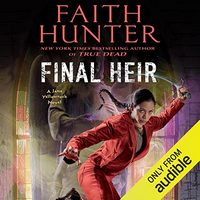
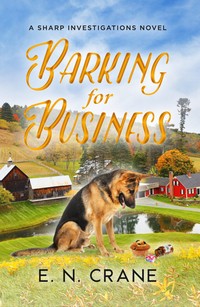
I just started Barking for Business by E.N. Crane (a Literary Local and a self-publisher) and am revisiting the Jane Yellowrock finale, Final Heir by Faith Hunter, Khristine Hvam (Narrator), on audiobook.

Barking for BusinessBlank SpaceFinal Heir

What did you recently finish reading?

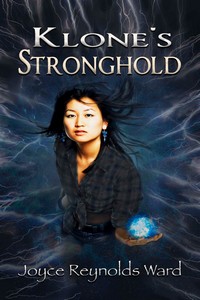
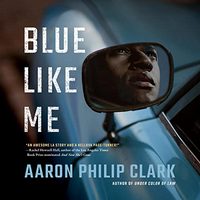
I just finished Joyce Reynolds Ward’s Klone’s Stronghold (also a Literary Local and self-publisher) and Blue Like Me by Aaron Philip Clark, Preston Butler III (Narrator) on audio.

Klone's StrongholdBlank SpaceBlue Like Me

What do you think you’ll read next?

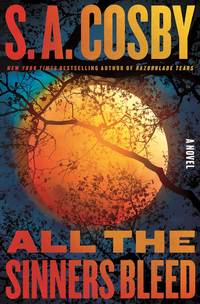
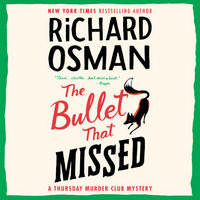
My next book should be All the Sinners Bleed by S. A. Cosby (who is not local, and therefore I don’t have to worry about losing my mind by running into him somewhere) and my next audiobook should be The Bullet That Missed by Richard Osman, Narrated by Fiona Shaw, Richard Osman and Steph McGovern.

All the Sinners BleedBlank SpaceThe Bullet That Missed

Do you have anything interesting on your nightstands?

The Irresponsible Reader On…Self-Published Steampunk

(updated 7/25/23)
Self-Published Authors Appreciation Week

From the first moment that people did the strange thing of asking me to talk about their books on my blog, I’ve been impressed by the quality of a lot of what’s been published by authors going out on their own, taking all the risks, shouldering all the responsibility and doing all the work to get their words, their dreams, their blood, sweat, and tears. This should be celebrated—it’s definitely appreciated, as we’re trying to show this week.

In addition to the Q&As and Guest Posts I have this week, I’m also continuing my habit of highlighting the self-published works that I’ve blogged about over the last few years—just a sentence or two.  Hopefully, this’ll be enough to make you click on the link to the full post. Beyond that, it’d be great if I inspired you to add a few of these to your TBR. Also, be sure you check out the other posts over at the SPAAW Hub.

Today we’re going to be looking at Self-Published Steampunk. This list doubled this year. Okay, sure, that’s still not a lot. It hardly seems to justify a separate list. But I kept these on their own so they wouldn’t get lost in the SF mix. Consider this an open invitation for people to fill up my comment section with recommendations so I can post a longer version of this list next time I run this.

bullet The Curse of the Silver Pharaoh by Pip Ballantine & Tee Morris—set in the same world as their Ministry of Peculiar Occurrences series, this puts the adventurous group of homeless kids the Ministry uses in a private school to find an Egyptian artifact. I still need to write my post on it, but it’s worth your time.
bullet Bartleby and James: Edwardian Steampunk Chronicle by Michael Coorlim—these short stories are a nice little dose of Steampunk with a thin coating of Victorian P.I. Light fun. (my post about it)
bullet Bodacious Creed: A Steampunk Zombie Western by Jonathan Fesmire—the reanimated corpse of one of the most-feared lawmen in the West roots out a criminal organization set to rule California. (my post about it)
bullet Bodacious Creed and the Jade Lake by Jonathan Fesmire—Creed heads to SF and tangles with a human trafficking ring. (my post about it)
bullet Bodacious Creed and the San Francisco Syndicate by Jonathan Fesmire—Creed has settled into San Francisco and is on the hunt for an outlaw who uses machines to alter the bodies and minds of his victims. I haven’t read this yet, but I can’t pass up the chance to talk about it. Really looking forward to diving in.
bullet Aether Powered by James T. Lambert—A UW Engineering student inherits a trunkful of steampunk goodies from a distant relative. Action ensues. (my post about it)
bullet The Silk Empress by Josef Matulich—a brilliant and reckless British orphan finds himself on an airship on the Silk Road (well, technically, above it). It’s a rollicking adventure. (my post about it)
bullet The Golden Spider by Anne Renwick—a steamy Kraken-filled Steampunk story, lots of good action, and great inter-personal moments. (my post about it)

If you're a self-published author that I've featured on this blog and I didn't mention you in this post and should have. I'm sorry (unless you're this guy). Please drop me a line, and I'll fix this. I want to keep this regularly updated so I keep talking about Self-Published Authors.

Self-Published Authors Appreciation Week Footer

The 2023 Self-Published Authors Appreciation Week Logo was made by Witty and Sarcastic Book Club

The Inside Scoop—A Q&A with Jonathan Fesmire About Self-Publishing

Inside Scoop logo
I’ve talked about Fesmire’s Steampunk Westerns a lot–I’ve even promoted his crowd-funding campaigns. So I was quite pleased to get him to talk about his self-publishing work, too. I hope you enjoy it.


Before we get into things, why don’t you give the reader a brief introduction to you and your work.
Sure! I’ve been writing for decades, and I’ve been a science fiction, fantasy, and horror fan all my life. I write steampunk westerns with robots and zombies, all in the same world I’ve been building for years. I call it the Creedverse, after the main character, 1870s lawman James “Bodacious” Creed.

The easiest way to find all my links is via my Linktree site at https://linktr.ee/jonathanfesmire. From there, you can visit my website, join my newsletter and get a free short story, check out my books on various sites, including Audible, visit the Creedverse site, and even check out my TikTok channel.

What kind of costs are associated with self-publishing a book? Do you hire one or more editors, or one editor for a couple of passes? Cover artist? Anyone to help with layout, design, etc.? Beta readers? Or do you take it all on yourself? Are you actually making any money at this, or are you still focused on breaking-even while building an audience?
Yep, there are definitely costs involved. I often have one or two beta readers who do that for free because they like my work. I also have an editor whom I pay. If I feel that the book doesn’t need any more story suggestions, I’ll pay for a line edit, but if I think it could use a critique, I’ll pay for that, too. I work with KH Koehler, who does a fantastic job. I also pay for cover art, though I have an art degree and I think I’ve now learned enough to create my own, professional covers going forward. As for layout, I do that myself. I actually use the Kindle Direct Publishing templates, which work great.

Are you using any kind of crowd-funding to help with that? What have those experiences been like?
Indeed I do! I’ve run crowdfunding campaigns for my trilogy, The Adventures of Bodacious Creed. It’s a fantastic way to get the word out about the new book, make some early sales, and get enough money to pay for editing and cover art, plus fulfilling the rewards.

For the first book in my series, Bodacious Creed: a Steampunk Zombie Western, I ran the Kickstarter when I had a basic outline for the novel. I knew I’d be able to write it. What this allowed me to do is give backers, depending on their backer level, input into the story. One integral character was based on the backer himself. By the time I was on the third book, Bodacious Creed and the San Francisco Syndicate, I’d written the first draft, then ran the campaign.

As I recall, you’ve used a couple of different crowd-funding sites in the past. What are the pluses/minuses for each? Any advice for someone thinking of trying this method?
I prefer Kickstarter, because Kickstarter has a larger audience than Indiegogo. With Kickstarter, if your project doesn’t raise it’s goal, it doesn’t go through. But on Indiegogo, you can have a goal, and get the funding even if the project makes less. So, here’s what I figured out with my last Kickstarter campaign, the one for my novel Bodacious Creed and the San Francisco Syndicate: Set the goal to the lowest amount that will help you.

Here’s what I mean by that. You may have a project that you need a certain amount of money to even be able to afford. Maybe you project that it will cost $2,000 just to develop a product. Then, you need to fulfil the backer orders, including shipping. Certain backer levels will cost a higher percentage of what backers pay for you to produce. For example, digital copies of books are essentially free to send out, while print copies cost more. So, if someone pledges $5.00 for a digital book, that’s $5 you can put toward costs like editing and cover art. If a person pledges $25 for a paperback (plus $5 for shipping), you may make $15 on that. That’s 100% toward development for the digital copies, and 60% from the print copy (not counting the shipping).

I recommend people check out Don Stainsberg’s The Kickstarter Handbook, which provides the info they’ll need to create a spreadsheet to figure out how low they can set their goal and still make enough to cover everything.

Anyway, what I realized when running my last Kickstarter was this. I was going to pay for editing and cover art, anyway. And that meant that any bit of money I raised from a Kickstarter would offset my costs, and I could set the goal to something low. I set it for $300. If that meant I ended up with $150 to put toward those services, that was better than nothing. What ended up happening, though, was the $300 was pledged in six hours! I added a sticker to the graphic that said, “Funded in 6 hours!” That looks really good to potential backers. And it ended up raising $1,681. I was hoping for $1,600, so that was great.

So, my advice would be to use Kickstarter, but put the goal at the lowest level that will cover your expenses. Or, if you plan to pay those, anyway, you can set it even lower.

How do you juggle marketing/PR/etc. with writing new work? (along with day jobs, family, hobbies, etc., etc.)
I’m lucky that I work from home! At my day job, I’m a content writer, so I’m basically writing for work, writing my fiction, worldbuilding, or editing a lot of the time. I’m a single dad and, of course, spend a lot of time with my son. But being able to do all my work from home really helps.

Self-publishing tends to have less external deadlines keeping one accountable. How do you maintain your work process or work ethic?
You have to get to a point where you internalize the urgency to write. Also, you need to remember that it’s a long-haul sort of profession. Writing a novel takes time. Get 500 to 1,000 words written a day, and you’re making good progress. If you can do more, great. But you need to understand it’s a process you need to take a day at a time.

“Internalize the urgency,” I like that phrase. It lines up with what some others in this series are telling me—it’s not so much a matter of work-ethic (although I’m sure it’s there, too), but about interest in the work. Did you have to cultivate that to go from “aspiring author” to “working author” or did you start with it?
’ve definitely had periods when I wasn’t writing much, and in the aughts, I focused on digital art for a while. I’m glad I got back to writing, which I feel is my true calling.

Writers are people who feel a need to write and do so to get their thoughts down. It’s how we best deal with our emotions and everything going on in our heads. So, writing is just what I do. And I write a lot every day. Most days, I write in my online journal, I work on whatever book I have in progress, and I also write for my day job as a content writer.

I think I had to accept that this is just what I do, and that it’s good for me. The fact that I’m not getting any younger helps, too! I’m 53, and by the time I leave this world, I want to have a lot of books out. I also hope to make enough off my books so that when I retire from my day job, I’ll be making a good living on top of my social security.

One thing that helped a lot is learning to outline my books before writing them. I have to admit, it took me a long time to learn that. I was a pantser for too long, and that meant my books came along painfully slowly. Now, rather than taking four years to write a book, it takes me a year to a year and a half. And I’m trying to streamline that even more. (A pantser is someone who writes books without a plan and figures it out as they go.) I now use a beat sheet to plan the major plot points of a novel and figure out how to get from one point to the next as I go.

Another useful way to get a lot of writing done is by using the pomodoro technique, also known as writing sprints. Set an alarm for 15 to 25 minutes, and during that time, all you do is write. When the timer goes off, you stop, and take a short break, then repeat. Do this a few times every day, and you’ll get a lot of writing done.

Thanks for your time and participation! Hope you enjoyed it! And do know that there are many of us out here who appreciate and applaud what you do (and our number is growing)!

If you like Steampunk, Westerns, Zombies–especially all three–or just books that are fun and well-told, be sure to check out all of Fesmire’s work!


Self-Published Authors Appreciation Week Footer

Clker-Free-Vector-Images from Pixabay
The 2023 Self-Published Authors Appreciation Week Logo was made by Witty and Sarcastic Book Club

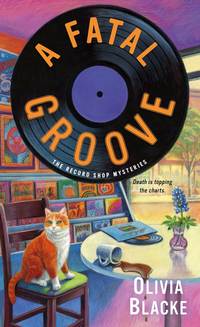
PUB DAY REPOST: A Fatal Groove by Olivia Blacke: It’s Another Charming, Pun-Filled, Adventure with These Sisters

A Fatal GrooveA Fatal Groove

by Olivia Blacke

DETAILS:
Series: The Record Shop Mysteries, #2
Publisher: St. Martin's Paperbacks
Publication Date: July 25, 2023
Format: eARC
Length: 304 pg.
Read Date: July 11-12, 2023
Buy from Bookshop.org Support Indie Bookstores

What’s A Fatal Groove About?

For the second time in the two months since she returned home, Juni Jessup finds a dead body. This time, she discovers the town’s mayor dead at his desk during the town’s biggest event—the Bluebonnet Festival.

It might just be all the True Crime podcasts Juni listens to and all the Police Procedural shows she watches, but Juni’s pretty sure he was poisoned from the evidence she sees. Sadly, the other thing she notices is that the mayor’s holding a coffee cup from her store in his hand—so it’s pretty likely that the source of the poison was the coffee her sister had poured him not that long ago.

Faster than you can say, “Jessica Fletcher,” Juni and her sisters are on the hunt for another killer to clear their store’s name.

The Bank Robbery

Decades ago, during this same festival, a bank in town was robbed while everyone was distracted by the festivities. The money has never been recovered, but it’s widely believed that the robbers buried it before they encountered the police. It’s now become a game during the festival for people to dig up a new plot of land each year to try to find the money. It’s like an Easter Egg Hunt for grownups, with less candy and more manual labor involved.

It turns out that the mayor and a few other people in town had turned this robbery into a hobby bordering on obsession, and the sisters can’t help but think that there’s a connection between the lengths the mayor and others were going to in order to figure out where the money is and his killing.

Texas

I’m pretty sure it was present in Vinyl Resting Place, but I was too busy getting to know everyone to really notice—but one thing I really appreciated this time was the way that Juni mused about Texas—the geography, the beauty, the flora, and the culture. She really missed her home state while living in Oregon—more than she realized—and now that she’s more settled back home, she can see all that she missed. Blacke does a great job of conveying that to the reader.

On the one hand, it’s hard to think that J. Todd Scott, Samantha Jayne Allen, and Attica Locke are describing the same state as Blacke is—and part of that has to do with the varied parts of the large state they’re describing, sure. But most of it has to do with the tone of their books—and once you adjust for that, they’re remarkably consistent and help readers who’ve never been there to get an idea of the place.

Still, all things considered, I’d rather live in Olivia Blacke’s Texas. At least Cedar River—it’s like Stars Hollow mixed with Bluebell, Alabama, but with better food (and better coffee).

A Small Confession

I imagine I’m going to be in the minority on this point, and most readers will shake their heads at me, but…I really didn’t care about the murder mystery. It was interesting enough, the red herrings were well-executed—as was the reveal and confrontation with the killer. But I thought the killer’s identity was pretty obvious, and nothing about that storyline really grabbed me. It happens sometimes.

But—and this is the important part—I didn’t care. I liked everything revolving around the murder mystery—particularly the long-unsolved mystery about the bank robbery. I enjoyed watching Juni and her sisters go about trying to solve things and everything else enough that it didn’t matter to me that the central story didn’t really click with me. I do think it says something about the world that Blacke is building here that I remained as invested as I did with that issue.

They Still Work

As I mentioned when I talked about the first book, the music-inspired punny drink names for their coffee counter are just perfect. They’re the kind of little touch that adds so much to a scene—you get an idea of the characters behind them if nothing else. Like the names of the stores and restaurants in The Good Place, they add a layer of enjoyment on top of everything else.

Blacke gives you just enough of them to keep you wanting more, but not so many that you roll your eyes at them. It’s a tricky balancing act, I’d imagine, but she pulls it off.

I’d say they’re the bit of whip cream on top of your specialty coffee drink to add just that nice finishing touch, but I can’t stand whip cream on my coffee. But you get the idea.

So, what did I think about A Fatal Groove?

I’m going on too long here…and there’s so much I haven’t talked about, for example:
bullet The love triangle—it’s pretty tame and everything’s out in the open (both guys know she’s casually dating them both). While I think the right choice is obvious and it’s annoying that Juni doesn’t just make the right choice, it’s not at the “ARGH” stage most triangles get to.
bullet Her sisters! I really need to spend more time talking about Juni’s sisters.
bullet The way the bank robbery story was resolved was so good, it made up for any of my complaints about the murder story.
bullet The ability of the owner of a used car dealership to turn anything into a sales pitch is truly impressive. It would be annoying in real life (even if it’s what made him a success), but it’s fun in a fictional character.
bullet I have no idea how to talk about what Juni won at the fair and how it tied into resolving so much, but…that was brilliant.
bullet The funeral scene…so good.
bullet The way the bank robbery story was resolved was so good, it made up for any of my complaints about the murder story.

This is one of those sequels that improved on everything that the original did right, expanding the world, and just having more fun with everything. Do you need to read Vinyl Resting Place first? Nope—it’s very easy to pick things up at this point—you’ll likely want to buy it after reading this, but the order isn’t essential at this point.

I do worry that at some point the residents of Cedar River are going to decide that Juni’s the Angel of Death having brought so many murders to town with her, but until then I’m looking forward to several more adventures with her and her family.

Disclaimer: I received this eARC from St. Martin’s Press via NetGalley in exchange for this post—thanks to both for this.

3.5 Stars

This post contains an affiliate link. If you purchase from it, I will get a small commission at no additional cost to you. As always, the opinions expressed are my own.

The Inside Scoop—A Q&A with Alex Robins About Self-Publishing

Inside Scoop logo
When JCM Berne’s post brought me an email from Alex Robins something gnawed at the back of my mind. It took me entirely too long to remember that I’d recently participated in a cover reveal for his book, Panacea. I was so glad to learn a bit more about his work and am eager to share it with you. 


Before we get into things, why don’t you give the reader a brief introduction to you and your work.
Hi there and thank you for putting this whole thing together! I’m Alex Robins, an indie self-published author, originally from Norwich in the UK. I moved to France in 1995 at the age of thirteen, and I’ve been living here ever since! I now share my time between writing and running a tech firm close to Angers, an attractive city in the western part of the Loire Valley.

I’ve written two series. The first is called the War of the Twelve, a fast-paced, action-packed epic fantasy spanning four novels and a handful of short stories. The second is The Ruined Gods, an Ancient-Greek inspired fantasy trilogy. The first book Panacea, is out right now and entered into this year’s SPFBO contest, with the second book releasing in September and the final part sometime early next year.

What kind of costs are associated with self-publishing a book? Do you hire one or more editors, or one editor for a couple of passes? Cover artist? Anyone to help with layout, design, etc.? Beta readers? Or do you take it all on yourself? Are you actually making any money at this, or are you still focused on breaking-even while building an audience?
That’s a tough question to answer because it depends on what sort of author you’re looking to be. Do you want to be financially successful? Read by thousands but lose money? Write what interests you? Write what sells?

Depending on your choices, your budget will vary wildly.

There is one indubitable, irrevocable fact that I’m sure no other indie author will dispute (if they do, we’ll have to settle our grievances in single combat): your book will not sell well or be well-received if it hasn’t been professionally edited and doesn’t have a professional-looking cover.

There are a few very (very!) minor exceptions but for the most part, that’s the deal-breaker.

If your book is the best thing since sliced bread but you mocked up the cover yourself in Microsoft paint, no one will ever know how good it is because no one will be drawn to the cover.

Conversely, if your book’s cover was designed by the greatest artist who ever lived but has five typos, six grammatical errors, and two repeated sentences on the first page, people will buy it … but they won’t finish it, and may even leave a bad review.

An editor will set you back several thousand dollars per book. Editors specialize in one or several different facets of revision too (from development to proofreading), so your manuscript may need more than one editor depending on what you are looking for.

You can find some great professional covers for as little as $300, but these will be using manipulated stock art so you have to be okay with the fact that your cover will not be unique (or at the very least, parts of the cover may be reused for something else).

Hiring an artist and layout designer for a truly unique cover is much more expensive, around $1500-$2000 at the very minimum.
Those are the two major areas I would personally recommend investing in. Optionally, you can also set aside funds for proof copies, an internet site, a mailing-list builder, and marketing.

I invested heavily in all of these and it took me roughly a year to break even on my debut novel, but that length of time is going down with subsequent releases.

Are there tools, mentors, websites you’ve found to help you through this process? Or did you stumble through blindly on your own?
One of the great things about self-publishing is the altruism of fellow authors. I would have never been able to publish my first book properly without their help.

Ryan Cahill started publishing more or less at the same time as me and has gone on to sell over 50,000 books. He wrote a great article on what worked for him that I still refer to occasionally: Things I Wish I Knew When I Started Self-Publishing

Kindlepreneur is a wonderful resource for anyone publishing digitally, and they host a smorgasbord of useful tools including Publisher Rocket and Atticus: https://kindlepreneur.com/

David Gaughran is a well-respected marketing guru who had a ton of good advice available for free on his site, and if you sign up for his newsletter you can get a whole lot more, including free books on publishing and marketing: https://davidgaughran.com/
There are many, many others, but this is a good start!

How do you juggle marketing/PR/etc. with writing new work? (along with day jobs, family, hobbies, etc., etc.)
It’s incredibly difficult. I don’t really get to choose when I write, as professional and family obligations come first. My more-or-less only writing time is late in the evening, once the kids are in bed and I have spent some time with my wife.

As I touched on in the previous question, I think very early on a self-pub author needs to decide whether they are writing for money, or for something else. For me, it was (and still is) all about the escapism that writing brings. Financial gain and recognition come second to that. So, I always prioritize writing first, then anything else when I have time.

Have you thought about trying to get a deal with major (or indie) publishers for upcoming works, or are you planning on sticking with self-publishing?
To be honest, when you see and hear how a lot of traditionally-published authors are being treated today it would have to be a massive check to pull me away from self-publishing.

Odds are, you’re doing this from love/passion, not to pay the bills. What keeps you going? I’m assuming there are more “who”s than “what”s, actually–who is it?
Writing is just so incredibly cathartic for me I don’t really need any external motivation. Whenever I’ve had a difficult day, I open up my laptop, dive into my latest draft, and all the worries of the world fade away

Thanks for your time and participation! Hope you enjoyed it! And do know that there are many of us out here who appreciate and applaud what you do (and our number is growing!)

Be sure to check out all of Alex Robins’ work! (if only for the covers…money well spent, there)


Self-Published Authors Appreciation Week Footer

Clker-Free-Vector-Images from Pixabay
The 2023 Self-Published Authors Appreciation Week Logo was made by Witty and Sarcastic Book Club

The Inside Scoop—A Q&A with Matthew Hanover About Self-Publishing

Inside Scoop logo
At this point, it feels strange for me to write an introduction for Matthew Hanover, because I’ve been talking about his books–and doing Q&As with him–for years now. But I know that not everyone reading this today will have read all of that–so let me just say that he’s a great author, a nice and supportive guy, and someone you should get to know.

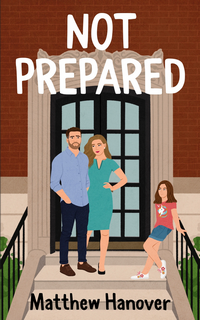
One way to do that is through his book Not Prepared, which releases today.

Neil Bennett, a highly sought-after wedding photographer, knows all about romance and happily ever afters—for everyone but himself. As a chronic hypochondriac pushing forty, Neil has convinced himself that marriage and children just aren’t in the cards for him.Not Prepared

But then fate throws Neil a curveball when his 12-year-old god-daughter Chloe shows up at his door after being abandoned by her mother. She has nowhere else to go and suddenly, Neil’s bachelor lifestyle is thrown into disarray as he grapples with endless sensitive and awkward situations that come with caring for a preteen girl in his small apartment.

As Neil questions whether he’s ready to flip his world upside down, there’s a glimmer of hope when he meets Jenna Kaplan, a young and ambitious interior designer. She has her own quirks and idiosyncrasies that might just make them perfect for each other—and the ideal parents for Chloe. Suddenly, Neil has to face the possibility that he, too, can have his happily ever after… if he doesn’t screw things up.


Before we get into things, why don’t you give the reader a brief introduction to you and your work.
Hey there, I’m just Matthew Hanover, your average guy trying to make a living in the world of marketing. But when the day is done and the weekends arrive, I find solace in writing novels. Inspired by the talents of Nick Hornby and Jonathan Tropper, I specialize in contemporary fiction and romantic comedies. It all started with a single story that I couldn’t get out of my head, but as time went on, I realized there were more stories within me waiting to be told.

I typically can be found on Twitter @matthewhanover, Instagram @matthanoverfiction, and you can always reach out to me via my website, matthewhanover.com.

What are some of the biggest misconceptions you find that readers have about self-published books?
I think the most common misconception is that self-published books aren’t as good as traditionally published books. But, the fact is that the publishing industry is so competitive it’s hard for many authors to land an agent or get a deal. Frankly, getting a book deal is no guarantee of success and plenty of independent authors do well and make more money than their traditionally-published counterparts.

What kind of costs are associated with self-publishing a book? Do you hire one or more editors, or one editor for a couple of passes? Cover artist? Anyone to help with layout, design, etc.? Beta readers? Or do you take it all on yourself? Are you actually making any money at this, or are you still focused on breaking-even while building an audience?
The old saying is that readers should not judge a book by its cover, but in reality, you have to. If a self-published author isn’t willing to invest in his or her own work by getting a cover designer, their books will get overlooked. If they aren’t willing to invest in an editor, the readers they do get will notice errors and abandon the book. If they aren’t willing to invest in professional formatting, the reading experience will be bad and it won’t matter how well the book is written. Yes, these things cost money, but if you want to compete, they’re necessary.

Do you do your own cover design, or have you found people to help with that? It seems almost as difficult as writing the novel itself–talk about the process a bit.
I recently hired an illustrator to redo all of my covers and do the cover for my next book. While I didn’t feel there was anything particularly wrong with my previous covers, I felt a refresh was necessary to help catch the eyes of different readers.
For what it’s worth, I didn’t find anything particularly lacking with the previous covers, but the new versions are great!

How do you juggle marketing/PR/etc. with writing new work? (along with day jobs, family, hobbies, etc., etc.)
I honestly don’t get to spend as much time marketing my books as I need to, and certain platforms are difficult for me to make a splash in.

How do you promote your book–what things have worked best for you? What kind of lessons have you learned for things not to do (at least for you)? Do you do any in-person marketing, or are you all online (I assume predominately online)
My marketing and promotion are 100% online. Though sometimes I toss a paperback in a Little Free Library.

What made you decide that self-publishing was the direction you wanted to go? How often do you question that choice? How do you get through the self-doubt?
Honestly, I never considered trying to go the traditional route. I never wanted the pressure of worrying about querying agents and publishers. I just wanted to write and get my stories out in the world.

Have you thought about trying to get a deal with major (or indie) publishers for upcoming works, or are you planning on sticking with self-publishing?
I never considered seeking representation or attempting to get a traditional book publishing contract. Over the years, I’ve seen several indie authors try and struggle with the process. Even those who managed to get a book deal are not guaranteed success by going with a publisher. Sure, there’s some cachet that goes with it, but I’m not convinced it’s worth it.

Odds are, you’re doing this from love/passion, not to pay the bills. What keeps you going? I’m assuming there are more “who”s than “what”s, actually–who is it?
Honestly, if I had just one story in me I wanted to tell, I’d have written it, published it, and been okay with just that. I just found that there were more stories I wanted to tell, and so in the end, as long there’s something I want to write, I’ll write it.

Self-publishing tends to have less external deadlines keeping one accountable. How do you maintain your work process or work ethic?
I have a tendency to trust my creative drive. If I’m not inspired to write, I won’t force it. When the inspiration and desire hits, I’ll do the work. Not having a deadline to meet allows me to create at my own pace, free of pressure. If I believe in a story enough, there’s no question that it will get out there eventually, so I don’t worry about it.

What is your favorite and least favorite thing about being self-published?
My favorite thing is having total control over the content and design direction. My least favorite thing is incurring the costs of editing, cover design, etc.

What was your process for learning how to take care of all the facets that go into self-publishing? (editing, book cover and design, ISBN, finding places to sell/distribute, etc.)?
Amazon made the process quite easy, and I picked up on the process quickly.

How do you decide a book is finally finished and ready? (or how do you avoid “perfection as the enemy of good”?)
For me, the real problem is getting too anxious and putting something out there before its ready. My third novel was not properly copyedited when I released it. I was too excited to get it out there and there were some typos that readers caught. I’m not making that mistake again with my next novel, which is coming out in July.

Thanks for your time and participation! Hope you enjoyed it! And do know that there are many of us out here who appreciate and applaud what you do (and our number is growing)!

I say this every time a Hanover book is released–be sure to check out all of his work!


Self-Published Authors Appreciation Week Footer

Clker-Free-Vector-Images from Pixabay
The 2023 Self-Published Authors Appreciation Week Logo was made by Witty and Sarcastic Book Club

PUB DAY REPOST: Not Prepared by Matthew Hanover: This’ll Melt Your Heart and Bring a Smile to Your Face

So this isn’t technically part of my Self-Published Authors Appreciation Week posts, but it could be. I just would’ve posted this today no matter what else was going on around here because it’s Publication Day! Here’s your chance to show your appreciation for this particular self-published author and give this a big push right out of the gates—you’ll come out ahead if you do this, it’s such a great read. Later today, I will have a Q&A with Hanover about Self-Pulblishing—ycome back for it.


Not PreparedNot Prepared

by Matthew Hanover

DETAILS:
Series: Wallflowers, #4
Publication Date: July 25, 2023
Format: eARC
Read Date: July 7-10, 2023

The Series

Let me start with this—I’ve labeled this as the fourth book in the Wallflowers series (I prefer to think of it as the Alli-verse, but whatever, I’ll go with Hanover’s title). This does not mean you need to read the other three first. There’s only the thinnest little thread tying these together and there’s no reason not to read them all as stand-alones.

What’s Not Prepared About?

Our protagonist, Neil, is a single photographer approaching 40. He’s fairly successful and comfortable with his life—which is primarily about his work and staying healthy. He enjoys a few romantic dalliances but stopped pursuing anything serious some time back. He’s fairly free and likes his life—outside of some family he rarely sees (largely due to circumstance, not preference), he really has no ties. Well, there’s the daughter of his childhood friend—Neil was named her godfather when she was born a little over a decade ago, shortly before his friend died. He’s seen her a few times over the years and babysat her occasionally, but that’s about it.

One night, the now 12-year-old Chloe shows up on his doorstep. Chloe says her mom dropped her off on her way out of town for a few days and that she needs to stay with Neil. It’s not really the most convenient or thoughtful way to do this, but Neil doesn’t begrudge Chloe for it—her mother, Sara, has never been thoughtful or responsible so it fits.

The next day, Neil takes Chloe to get some clothes—Sara left her without any. He’s not crazy about this, but it needs to happen. Neil’s really not crazy about helping her find underwear or a training bra. Thankfully, there’s a woman near them in the store who sees Neil’s predicament and comes to his aid.

Naturally, because it’s this kind of book, there’s a spark between this woman, Jenna, and Neil. A couple of days after their meet-cute, the two meet for coffee. The sparks are still there—and Jenna’s able to give Neil a hint or two about dealing with Chloe.

Neil’s going to need more than a hint or two because Chloe eventually comes clean with him—she has no idea where her mom went and when/if she’ll be coming home. Chloe’s looking for a new home and family, and she’s picked Neil (and would like Jenna to be part of it, too).

This is the last thing that Neil bargained for, but he’s drawn to the idea (about both Chloe and Jenna). Now the question is, can they make it work?

Chloe

When I posted about Hanover’s first book, Not Famous, I spent a lot of time talking about the protagonist’s younger sister. She wasn’t that integral to the plot, but brought out aspects of the central characters you wouldn’t have seen otherwise—but more than that, she’s a perfectly charming character that you wanted to see more of. In Not Prepared, Hanover takes a very similar character and makes her the focus of the novel.

If that’s all he did, I’d be a fan of the book—thankfully he does more (some of which I’ll talk about in a minute). But let’s focus on Chloe for a moment.

So, obviously, she’s a mess. Her mother abandoned her and it’s pretty clear that before she literally abandoned her, Sara put the minimal amount of effort (at best) in before that. She’s not used to being cared for, for having limits placed on her, for having a reliable presence of any kind—once she’s given those she responds well to them and flourishes (probably responds a bit too well, but we’re not looking for gritty realism here).

Chloe’s also obviously an intelligent and resourceful girl who sees her opportunity and seizes it. Not simply for her physical needs—but she’s long had an emotional tie to Neil and she makes the most of her time with him to feed and nurture that bond. It takes Neil a bit to understand just what he’s meant to her for so long, but once he does he reciprocates.

It’s both the portrayal of Chloe and the depiction of their relationship—in all of its ups and downs, flaws and strengths—that makes this book so strong

A Meeting of Anxieties

Neil suffers from health anxiety—a term he (understandably) prefers to hypochondria—which leads him to spend a lot of time in hospitals and doctor’s offices. He’s both very aware that he’s very likely completely healthy and yet he’s frequently convinced that he has any number of undiagnosed conditions or ailments, frequently exasperated by news reports or pharmaceutical commercials. This is something that’s impacted his life as long as he can remember—and having a dear friend die at a young age likely didn’t help. As a result of this, he’s rather health conscious, particularly when it comes to the food he buys and prepares. Which is exactly what a 12-year-old doesn’t want to hear or experience.

Jenna struggles with brumotactillophobia (a form of OCD relating to foods touching each other), which sounds like something to chuckle over, but for Jenna, it’s a serious and frequently embarrassing issue.

Neil’s lost relationships—short-term and incredibly serious—because of his anxiety. Jenna has, too—the number of first dates she’s had that have ended in disaster is the kind of thing to make anyone into a social hermit. Because they can relate to each other’s hardships—and because they’re basically decent people capable of empathy—both of them can understand and accept the other. In fact, it’s an early way for them to bond. There are points throughout the novel where they’re able to help each other with their anxiety, which just made me love them as a couple and like the book even more.

Chloe’s better for spending time with both of them and seeing how they cope and deal with their anxieties—she’s better than any of the characters in the book at supporting them through bumps in the road. As I type this, I realize it’s due in part to her having spent her entire life taking care of her mother, so maybe it’s not as heartwarming a point as I initially thought. Still, it endeared me to her.

Alli Conwell

For years, one aspect of Marvel (and related) movies that was a sure-fire pleaser was the inventive way that Stan Lee would show up in some sort of cameo. Hanover’s not quite at that point with the singer-songwriter that was at the center of his first novel, Not Famous, but it’s in sight.

I do enjoy seeing how Alli will pop up in the various books. And somehow—don’t ask me how, I’m worried it’s a sign of cognitive decline—when she does pop up I’m surprised.
Me: Oh, wow! That was great that he tied Alli into this.
Voice in My Head: You mean like he always does? Why weren’t you looking for it?
Me (grumbling): Shut up.

In a way that won’t bother anyone who’s never read a Hanover book before, her presence is felt throughout the novel, beginning with one of my favorite lines of the book.

Post-Credits Scene?

If Marvel (and other) movies* have taught us anything in the last 15 years, it’s that you don’t leave the movie theater until the credits have stopped rolling and all the lights have come up. Period. Sure, you’ll get a complete story if you do, but you’ll be missing something.

Hanover has provided his readers with a “post-credits” chapter—a bonus chapter that you can access for free. Now, if you don’t, you will get the entire story and you should be completely satisfied (I sure was). But the bonus chapter? That will make you happier and give you a better idea of what will happen to our characters. My ARC didn’t have the entire bonus chapter—but it had enough to give me that boost that a good-post credits scene does (and it gives me a reason to actually open the version I pre-ordered, so I can access the rest of it).

* That’s entirely too many Marvel movie references for a post here—particularly for a book bereft of super powers. Oops.

So, what did I think about Not Prepared?

This is the best thing that Hanover has published—it’s also my favorite so far. Any of the three central characters would be enough to qualify the book for the latter—but you throw them together, and it’s a lock.

Jenna is an independent, self-assured woman who knows her limitations, has a strong sense of self and her morality, and because of that, is able to let herself be vulnerable and open to those she wants to be vulnerable and open to. She makes room for Neil and Chloe because it’s her choice, not because she’s driven to, or needs something.

I’ve said enough about Chloe at this point that any more would be overkill—so I’ll leave it with saying that she’s an adorable kid that I want to read a sequel or three about (but not really, because I’d rather imagine what happens after this than know).

Then there’s Neil—a mature narrator/protagonist, rather than the twentysomething still trying to figure out what kind of life he wants. Neil has his life, he’s responsible, his career’s in a good place. Somewhat by force and a sense of duty (with a twinge of guilt), but primarily because he wants to—he changes his life to accommodate Chloe. This will ultimately prove to change his whole life for the better.

There are no easy answers in Not Prepared, nothing works out just the way that any of the characters are looking for or expect (no readers, I’d wager). But there’s hope, there’s possibility, there’s a solid base for good things for them all. I think this is as good a sign for Hanover’s storytelling as it is for the book itself—there’s some mature writing at work here.

Possibly my favorite thing here is that while this book is at heart a Rom-Com, the romantic story takes a backseat to the love story between the girl who needs a family and a bachelor who didn’t expect one. There’s still plenty of “rom”, and a good amount of “com” of a handful of stripes (particularly when it comes to a single man being thrust into dealing with a young girl at the cusp of puberty)—but there’s a lot more, too.

It’s all told with Hanover’s trademark wit, charm, and grace—prose that moves so smoothly you don’t realize how long you’ve spent sucked into his book. He won me over starting at the prologue, and I don’t know if I stopped grinning throughout (well, except to chuckle or smile). The emotions are real and grounded—both positively and negatively. His depictions of anxiety really impressed me, and there are scenes between Chloe and Neil that got me choked up.

I strongly recommend this warm comedy about an unorthodox way to start a family.

Disclaimer: I was given a copy of this ARC by the author in exchange for this post. Which gave me something to opine about, but otherwise didn’t influence my opinion.


4 1/2 Stars

The Inside Scoop—A Q&A with e rathke About Self-Publishing

Inside Scoop logo
e rathke is one of those authors that came my way thanks to JCM Berne–I’d never encountered them or their work before, but there’s plenty of good looking material out there to dive into.

In particular, I’d like to point you to Iron Wolf, which is released today. The description of it is:

The giantess Lady Agova leads Virgil and Vera home to Avalon. All they have to do is get through the gate. But that gate throws them into an interdimensional labyrinth full of nightmares. Iron Wolf
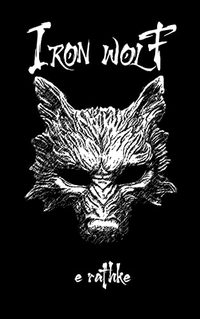
Set in a desolate postapocalyptic world where science and magic blend and reality itself twists and bends, where some attempt to grow a new world while others delve through the detritus of a shattered civilization, Iron Wolf continues the monster hunting journey began in Howl.


Before we get into things, why don’t you give the reader a brief introduction to you and your work.
I write weekly essays about games and books at my substack. All my essays are free and available to anyone. I’ve begun serializing a steampunked mix of Harry Potter and Gundam over there as well. On top of that, I’m now releasing weekly short stories. Paying subscribers get the ebook versions of my novels included in their subscription and they receive those a month before publication.

Along with all that, I also publish novels. The Howling Earth is a lofi cyberpunk mashing together of Vampire Hunter D and Gene Wolfe’s Book of the New Sun, though I’ve also received a fair amount of Dark Souls comparisons as well. The first novel came out December 2022 with the second novel out this week, and a third coming in November. 2024 will have four more.

With Kyle Muntz, I cowrite The Shattered Stars series. Imagine Star Trek: The Next Generation where the crew is straight out of Firefly and you get The Shattered Stars. Though it’s an ongoing serial, each “episode” is meant to stand alone and be enjoyed even for those who just want to dip in and out of the series. The first episode came out in March, with the second out in June. The third and fourth are coming September and December, and we have the entire second season completed and ready to publish quarterly through 2024.

But, yeah, lots going on! I’m also narrating a children’s serial about a pirate named Carrot. This began as a daily bedtime story for my son, but I began recording it as well so that he can return to the story whenever he wants. Because I had the audio already done, I began a podcast to release new episodes weekly.

(I love the idea behind the podcast, will be adding it to my rotation)

Do you do your own cover design, or have you found people to help with that? It seems almost as difficult as writing the novel itself–talk about the process a bit.
Most of my covers are done by Christopher Olson. I wish he had a website because he’s a great artist. Very talented and capable of just about any style I want.

I’ve toyed with the idea of doing covers myself, since I go through a lot of them each year, but that really just isn’t my skillset. Christopher is a friend and we work well together. I usually tell him what I want for the cover and try to lead him towards a style that I’m looking for. Then he does his magic and I’m always surprised by what he shows me.

Ultimately, the book cover is your face to potential audiences, so it’s worth it to take the time and find the people who will give you what you want and how you want it. Covers can be expensive, too, which is probably the biggest barrier for some. For that reason, they’ll decide to do their own covers. Which is great! But it’s really not what I’m good at.

It’s great to have a friend like that! The graphics on my site are the same way—if they look homemade, that’s me (frequently, it’s me defacing the work of a talented cartoonist/illustrator). If they look decent, that’s the work of a friend of mine who does graphic design.
Ha, I wish I even had the talent to make bad art. It would save me a lot of time! It would also allow me to do my own illustrations for my books, which I’d love to have.

What made you decide that self-publishing was the direction you wanted to go? How often do you question that choice? How do you get through the self-doubt?
During the 2010s, I was pretty involved in small independent publishing. I worked with a handful of publishers in various ways, and I had three novels come out on independent presses.

Many have a good experience this way, but I mostly did not. I think the truth of small independent publishing is that many people just want their name in print and are less concerned with getting readers. This is especially true for the kind of publishing I was involved with, where many of the authors were MFA professors, aspiring MFA professors, MFA students, or aspiring MFA students.

The publication was more important for their CV than it was for anything else.

I don’t have an academic background. I wasn’t in an MFA or getting into one, and so I had very different goals with my own publishing. My bad experiences with these publishers—all of which no longer exist—led me to abandon publishing for about eight years.

I turned to self-publishing because of the freedom it allowed me. And so I don’t question the choice. I much prefer it to what I previously experienced through a more traditional route. To me, self-publishing is just fun. It also gives me control over my career and the flexibility to do what I want, how I want.

I publish a lot of books each year. If I were on a traditional press, they’d want me to have at most one or two books per year. In 2023, I’m publishing eight books. In 2024, I’ll be releasing 12.

There are downsides to this rapid pace, but I’m writing for fun and for those people who are ready and willing to ride along with me. When someone discovers one of my books, I want them to google me and find a dozen other books waiting for them.

As a reader, I always found that experience thrilling.

Having a backlist to dive into as a reader is always great, I agree. And more than one self-published author I’ve talked to has mentioned getting things out regularly. Eight books in a year is pretty impressive! How do you find the time for this? Sure, you multitask by podcasting your bedtime stories—but even that’s an investment of time after your son’s asleep.
Recording audio takes me quite a lot of time! I’m sure many people can do this in a fraction of the time it takes me but I would say it takes me about an hour to get ten minutes of audio. And even that audio could probably be improved tenfold by just a bit more technical know-how.(I was kidding about that, I hope that came through. I’ve listened to two episodes so far and those hours spent are evident!)

As for finding the time – I write a lot and I write relatively quickly. I’ve written a bit about my process in the past, but there is no trick to it beyond volume of hours sitting in front of your computer.

The one advantage I have over other people is that I have 20 or more novels and novellas sitting unpublished on my computer, so I could publish ten books a year for two years without even writing something new. That being said, only one novel coming out this year is taken from that store of novel(la)s. Though cowriting four per year also helps alleviate some of the load.

Also, length is an important driver. For better or worse, I’m primarily publishing novellas in the 20,000 word to 35,000 word range. I want people to be able to pick these up and read them in about the time it takes to watch a movie (sometimes a long movie). This may prove to be a mistake because people may want those big beefy novels. I have those written, too, but I guess I’m saving them.

Most countries have a thriving novella market, except the US. But I think we could have that and I think people want short books along with the big doorstoppers. With everyone else writing the huge books, I feel there’s a real space left open for people who want to pick up a book they can burn through in an evening.

Have you thought about trying to get a deal with major (or indie) publishers for upcoming works, or are you planning on sticking with self-publishing?
I do submit novels to major publishers. I’d be more than happy to get on a traditional press, though I think my goals are different than other hopeful writers.

The barrier to any writers—traditional or indie or self-published—is discoverability. You can be the best writer in the world, but if no one hears your name, they’ll probably never find your books. And so much of marketing for any book is a simple process of getting your name out there enough times for people to finally take notice.

For me, the benefit of a major press is that they make the first step easier. If I had a book come out on Tor or Harper or wherever else, thousands of people who had never heard of me would now hear or see my name for the first time.

That’s what I want. I mean, I’d be happy to have a successful book on a major publisher, but even if my book technically failed, by traditional publishing terms (fewer than 5,000 books sold), that would still be a success for me and where I’m at right now.
And so the benefit to me about major publishing is that it would broaden my potential fanbase immensely overnight.

Even so, it’s important to understand what major publishers are offering. Major publishers once gave every author a marketing budget and they’d have professionals handle this stuff. Now, they rely on individual authors to do their own marketing, line up their own book tours and interviews, and so on.

Which is the exact same thing self-published authors are already doing.

Because of this, the benefits that they offer are becoming fewer and fewer every year.

What is your favorite and least favorite thing about being self published?
My favorite thing is the flexibility and control.

My least favorite part is everything else!

I love writing. I would write all day, every day if I could. It’s what I want to do and it’s what I like doing. My ideal situation would be finishing a novel and handing it off to someone else to handle all the marketing, publicity, and so on.

Unfortunately, there’s just me. And so I’m not only the author. I’m also the business manager, the marketing department, the publicist, the accountant, the editor, and on and on.

It’s quite a lot!

In an ideal world, I wouldn’t have to do anything to get my name out there. I wouldn’t be on social media or pitching myself to podcasts or trying to track down reviewers and interviewers, and all the other thousand little things that get books into reader’s hands.

But instead I’m in this world, wearing a dozen hats and swapping between them dozens of times per week.

But that’s the game. And it is a game. Writing is fun and it’s work, but it’s the fun kind of work that makes it feel like play. The marketing is the work I’d rather not do, but it’s arguably just as important—if not more so—than the writing itself.

You’ve mentioned the word “flexibility” a few times—is that flexibility in schedule, genre, format, etc.? Or is it more than that?
All of the above, honestly. I love a lot of different kinds of books and though it goes against any career or marketing advice anyone will give you, I intend to keep writing across genres. Too, most would probably encourage me not to publish 6+ books a year because it can dilute or overwhelm your audience. Much as I’d like people to pick up a new book from me every month, the simple truth is that most people only read a handful of books each year. Expecting them to read a new book by me each month is a big ask! But there are other people out there who will be excited by this as well.

And so flexibility may be a double-edged sword for me, in that it gives me the freedom to make too many mistakes at the same time. And much of what I’m doing now may be foolish. Short books published at a rapid pace may be the exact opposite of what I should be doing, but I’ll learn. If need be, I’ll publish fewer books, but longer books.

But it’s this flexibility and this wild west nature of my publishing adventure that keeps it fun and exciting. I just hope people are willing to come along for the ride.

Thanks for your time and participation! Hope you enjoyed it! And do know that there are many of us out here who appreciate and applaud what you do (and our number is growing)!

Readers, e rathke has a good number of novellas, essays, and other things out there. Be sure to check out them out here or the other links above!

Self-Published Authors Appreciation Week Footer

Clker-Free-Vector-Images from Pixabay
The 2023 Self-Published Authors Appreciation Week Logo was made by Witty and Sarcastic Book Club


The Irresponsible Reader On…Self-Published Children’s & Picture Books

(updated 7/24/23)
Self-Published Authors Appreciation Week

From the first moment that people did the strange thing of asking me to talk about their books on my blog, I’ve been impressed by the quality of a lot of what’s been published by authors going out on their own, taking all the risks, shouldering all the responsibility and doing all the work to get their words, their dreams, their blood, sweat, and tears. This should be celebrated—it’s definitely appreciated, as we’re trying to show this week.

In addition to the Q&As and Guest Posts I have this week, I’m also continuing my habit of highlighting the self-published works that I’ve blogged about over the last few years—just a sentence or two. Hopefully, this’ll be enough to make you click on the link to the full post. Beyond that, it’d be great if I inspired you to add a few of these to your TBR. Also, be sure you check out the other posts over at the SPAAW Hub.

I don’t know how I ended up on the radar of Children’s and Picture Book authors—particularly so many from Israel. But I’m just glad I did, these are guaranteed dashes of brightness and diversity to my reading schedule. I’ve also started to really dive into Children’s/Picture books on my own lately, so this is a pretty healthy list.

bullet Snobbity Snowman by Maria Bardyukova & Quiet Riley, Jr.—Snobbity is a snowman with an attitude (at least at the beginning). I loved the art. (my post about it)
bullet Elephant Wind by Heather L. Beal, Jubayda Sager (Illustrator)—A scientist explains a tornado to a daycare class. (my post about it)
bullet Hurricane Vacation by Heather L. Beal, Jasmine Mills (Illustrator)—Lily and Niko are visiting their family when a Hurricane Watch is issued, so they join their family in preparing the house for the storm and getting ready to go to a shelter. Along the way, they learn about what a hurricane is as well as all the ways that people can protect themselves, themselves, and so on. (my post about it)
bullet Tummy Rumble Quake by Heather L. Beal, Jubayda Sager (Illustrator)—A daycare class learns about earthquakes and earthquake safety. (my post about it)
bullet Bearded by Jeremy Billups—A Bearded Bear and a Red-Haired Little Girl go on adventures all over the world with an assortment of different animals. I love this art (and have a print of one illustration hanging on my office wall). (my post about it)
bullet Bearded Too by Jeremy Billups—A fun and fitting sequel to the above. (my post about it)
bullet Sea This and Sea That by Jeremy Billups—Set in a “crowded, hectic and gruff” city under the sea, with one quiet spot—The Sea This and Sea That Below the Seashore. Missus Bluffington gives a couple of kids (and the reader) a through her very unusual place, full of all sorts of sea creatures, sea plants, fish, and an octopus that shows up in some unusual places. (my post about it)
bullet Mike Nero and The Superhero School by Natasha Carlow, Kyle Stephen (Illustrator)—It’s Mike’s first day at a new school—he meets his principal and some incredible children and learns a little about the superpower he has within himself—and those inside other students, too. (my post about it)
bullet Little Aiden – A Feelings Book for Toddlers by Albert and Anna Choi, Bettina Braskó (Illustrator)—A parent assures Aiden that the wide range of emotions that he’s feeling throughout a day are okay. It’s okay to be happy or scared or confused. (my post about it)
bullet Little Aiden – A Love Book for Toddlers by Albert and Anna Choi, Bettina Braskó (Illustrator)—A parent assures Aiden of their love for him in various moods and in the midst of a range of activities—not all of which are the kind that a parent likes to see/endure, but none of which changes their love. (my post about it)
bullet Be Brave, Little Puffy by Arline Cooper—A puffer fish gets tired of being a puffer fish and tries out life with other kinds of fish. (my post about it)
bullet Kitties Are Not Good To Eat by Cassandra Gelvin—A board book/electronic equivalent full of cat photos and handy tips like the title. (my post about it)
bullet Vernon the Vegetarian Lion by John Hughson, Ali Smith (Illustrator)—Vernon tries out vegetarianism. It goes as well as you’d think. (my post about it)
bullet Meeting of the Mustangs by Cathy Kennedy—This is for kids older than the rest on this list (7+ was my guess). A story of a wild mustang growing up. (my post about it)
bullet The Fed-up Cow by Peta Lemon, Maria Dasic Todoric (Illustrator)—Hilda the cow tries out the lives of other animals before learning to accept herself. (my post about it)
bullet Noam’s Monsters by Elliott Linker—A graphic novel by a local 3rd grader (probably a 4th grader now, actually) about a crime fighting banana and his sidekick/best friend Elliott. (there’s a very good sequel that I haven’t had the time to write about yet, too) (my post about it)
bullet George the Bannana: Book One by Shai Levinger, Kaustuv Brahmachari (Illustrator), Ephrat Abisror (Translator)—Written by a Clinical Psychologist, this is about a boy struggling with anxieties and fears. Hopeful yet honest. (my post about it)
bullet Moshe Comes to Visit by Tehila Sade Moyal, Fatima Pires (Illustrator)—A young boy discovers that everyone is afraid of something. (my post about it)
bullet Bear with Bear by Hagit R. Oron, Galia Armeland by Hagit R. Oron, Galia Armeland (Illustrator)—A young boy tries to choose a pet. (my post about it)
bullet Bravo and Elphie by Hagit R. Oron, Or Oron (Illustrator)—Ephie and her pet have some struggles at the playground. (my post about it)
bullet Elphie and Dad go on an Epic Adventure by Hagit R. Oron, Or Oron (Illustrator)—An imaginative dad turns running errands with his son into an epic adventure. (my post about it)
bullet Elphie Goes Trick or Treating by Hagit R. Oron, Or Oron (Illustrator)—The title pretty much sums it up. (my post about it)
bullet Elphie Meets the End of The World by Hagit R. Oron, Or Oron Misgav (Illustrator)—Elphie is playing hide and seek with Phante and Phante’s older brother comes in talking about how he saw on the news that the world ending. Eliphie doesn’t take the news well and runs home to hide. Mom and Dad try to comfort and assure him. But it doesn’t really take—so they decide that if the world is going to end, they might as well make a party of it. That seems to work, and in the end, drives home the lesson that every day—even our last—ought to be enjoyed as a gift. (my post about it)
bullet Practice Makes Perfect by Michael Portnoy, Adelia Drubetski (Illustrator), Freda Zolty Kovatch (Translator)—Madam Fly’s two sons are musical geniuses, or something like it—because she’s convinced they should put on concerts despite having no experience with playing whatsoever. Experience and the crickets who run the local music shop try to teach them an important lesson when it comes to music (or just about anything). (my post about it)
bullet The Incredible Ordinary Hero or The Brave Bystanderby Aida Rascanu, Beatrice Magrini (Illustrator)—a double-whammy of a lesson for the readers/audience. First, there’s a discussion of what it means to be a hero (doing things that are heroic) and there’s a little first aid lesson—age-appropriate, mind you—to help parents/teachers train up young ones. (my post about it)
bullet Lulu and the Missing Tooth Fairy by S. E. Richey—an incredibly cute story about…well, a missing tooth fairy and tooth fairy-ish creatures all over the world. (I apparently somehow never posted about this, but it’s so good I have to share a link for it)
bullet Trouble With Truffles by S. E. Richey—an incredibly cute and informative story about truffle hunting. (I apparently somehow never posted about this, but it’s so good I have to share a link for it)
bullet Red Stripes VS Miles the Mutant Mouse by Amy Rice and Kyson Rice—5-year-old Kyson came up with the story about a super-powered cat defending his city from a giant (and very hungry) mutant mouse, with an assist from his mother on the illustrations. (my post about it)
bullet The Flying Frog and the Kidnappers by David Yair, Ilana Graf (Illustrator), Natalie Jackson (Illustrator)—4th in a series of 11 (so far, anyway). This series for beginning readers is about Quack, a flying frog, who helps some siblings fight crime. Obviously, in this case, they’re up against some kidnappers. (my post about it)

If you're a self-published author that I've featured on this blog and I didn't mention you in this post and should have. I'm sorry (unless you're this guy). Please drop me a line, and I'll fix this. I want to keep this regularly updated so I keep talking about Self-Published Authors.

Self-Published Authors Appreciation Week Footer

The 2023 Self-Published Authors Appreciation Week Logo was made by Witty and Sarcastic Book Club
The Irresponsible Reader On…Self-Published “General” Fiction

(updated 7/24/23)
Self-Published Authors Appreciation Week

From the first moment that people did the strange thing of asking me to talk about their books on my blog, I’ve been impressed by the quality of a lot of what’s been published by authors going out on their own, taking all the risks, shouldering all the responsibility and doing all the work to get their words, their dreams, their blood, sweat, and tears. This should be celebrated—it’s definitely appreciated, as we’re trying to show this week.

In addition to the Q&As and Guest Posts I have this week, I’m also continuing my habit of highlighting the self-published works that I’ve blogged about over the last few years—just a sentence or two. Hopefully, this’ll be enough to make you click on the link to the full post. Beyond that, it’d be great if I inspired you to add a few of these to your TBR. Also, be sure you check out the other posts over at the SPAAW Hub.

Today we’re going to be looking at General Fiction (for lack of a better term)—there’s some Lad Lit, a dash of historical fiction, some humor, a couple of things I don’t know how to categorize beyond “Fiction”, and a bit more. Hopefully, you can find something that tickles your fancy.

bullet Dispatches from a Tourist Trap by James Bailey—Jason (see below) and his mother move from Seattle to a small town in the middle of Washington to stay with her parents as she establishes a life away from her husband. Hilarity and conflict ensue. (my post about it)
bullet The First World Problems of Jason Van Otterloo by James Bailey—an epistolary novel (through emails) from a 13-year-old whose life is turned upside down in 2003 Seattle. A lot of heart and a few laughs. (my post about it)
bullet The Glamshack by Paul W. Cohen—A lifestyle reporter’s obsessive love for a woman and the havoc it wreaks on his life. (my post about it)
bullet The Chronicles of Iona: Exile by Paula de Fougerolles—The first novel in a series about the founding of Iona. Some historical fiction with a hint of Fantasy. (my post about it)
bullet Not Awkward by Matthew Hanover—a young man attends the funeral of his ex’s father and gets roped into staying during shiva in the days leading to his wedding. Nah, not awkward at all. (my post about it)
bullet Not Dressed by Matthew Hanover—Hanover’s (seemingly) effortless charm makes this “romantic comedy of how love goes wrong—and right—when you’re a twenty-something still figuring out how to adult” a real winner. (my post about it)
bullet Not Famous by Matthew Hanover—Hanover’s first novel is about a guy who falls for a socially awkward musician. It will steal your heart. (my post about it)
bullet Not Prepared by Matthew Hanover—a bachelor takes in his eleven-year-old-goddaughter when her mother skips town, and maybe finds love, too. Great stuff. (my post about it)
bullet The Flight of the Pickerings by John Grayson Heide—a heart-warming story about an older couple dealing with dementia and the end of their life together get their world turned upside down when their rebellious teenage grandson comes to live with them. (my post about it)
bullet Didn’t Get Frazzled by David Z. Hirsch, MD—a bildungsroman following a 20-something through his 4 years of medical school: from Gross Anatomy to the verge of residency. (my post about it)
bullet Love and Other Monsters in the Dark by K. B. Jensen—I could probably put this on most of my Self-Published Fiction lists, so I’ll limit it to this one. It’s sort of the same genre as The Twilight Zone—SF, Fantasy, Horror, Crime. Sudden Fiction and Short stories that’ll knock your socks off. (my post about it)
bullet XYZ by William Knight—A mature, old-school programmer has to start his career over at a 21st Century Startup as his family life falls apart in every way imaginable. Clearly a comedy. (my post about it)
bullet Dirt Road Home by Alexander Nader—A lot of charm fills this YA(ish) Coming of Age story about a teen forced to move from Detroit to a small town in Tennessee before graduation. (my post about it)
bullet Coffee and Condolences by Wesley Parker—A widower tries to begin recovering from the deaths of his wife and children by reconnecting with his step-sister and maybe finds love. (my post about it)
bullet Headphones and Heartaches by Wesley Parker—A teen finds home, safety, and love in a Foster Home, but is torn about leaving his mother behind. One sentence doesn’t do it justice, I simply loved this one. (my post about it)
bullet The Worst Man by Jon Rance—Ollie’s desperately in love with the girlfriend/fiancée of the man who’s been his best friend since childhood. And now he has to be the best man at the wedding he wants to derail. (my post about it)
bullet The Summer Holidays Survival Guide by Jon Rance—an out-of-shape teacher tries to prepare for a half-marathon while surviving the summer with his three kids, a marriage on the rocks, and his father (with dementia) moving in. (my post about it)
bullet The Crescent and the Cross by Kurt Scheffler— the story of The Battle of Tours (in 732) and events leading up to it, told through the lives of people close to Charles Martel and Charles on the one hand and a couple of the leaders of the Muslim forces involved in the Arab invasion of France. (my post about it)
bullet In Ten Years by Ian Shane—The reductionist description is “A 21st Century When Harry Met Sally“. We watch a couple of college friends over 18 years start to figure out that they’re in love. Hilarious and sweet. (my post about it)
bullet Postgraduate by Ian Shane—When your life falls apart, why not take your college radio show and turn it into an Internet radio show? And then, why not attend a reunion with the old college radio gang, including “The One That Got Away” (because you foolishly dumped her)? (my post about it)
bullet Radio Radio by Ian Shane—A maverick DJ is forced to get creative when a corporate radio management team takes over his station. A love letter to what radio used to be as much as anything else. (my post about it)
bullet The Jackals by Adam Shaw—A local band on the verge of making it big/big-ish falls apart after high school due to a love triangle that shouldn’t have happened. When one member of the band dies, the group has to get together for a funeral and to clean up his stuff. (that’s a bad summary, but best I can do in a sentence) (my post about it)

bullet KA-E-RO-U Time to Go Home by B. Jeanne Shibahara—I’m so glad the blurb contains a one-sentence description because I couldn’t write one: “Desert-dweller Meryl travels to Japan, returns a WWII flag, and brings home an understanding of life that opens her heart for the unexpected.” (my post about it)
bullet Lingering by Melissa Simonson—It’s sort-of SF, sort-of a Thriller, but not really either, so I put this here. This is a novel about grief, about dealing with death—while telling the story about an effort to design an AI to mimic a dead loved one in order to help a survivor cope. (my post about it)

If you're a self-published author that I've featured on this blog and I didn't mention you in this post and should have. I'm sorry (unless you're this guy). Please drop me a line, and I'll fix this. I want to keep this regularly updated so I keep talking about Self-Published Authors.

Self-Published Authors Appreciation Week Footer

The 2023 Self-Published Authors Appreciation Week Logo was made by Witty and Sarcastic Book Club
Page 3 of 8

Powered by WordPress & Theme by Anders Norén