Month: February 2024 Page 3 of 5

Saturday Miscellany—2/17/24

Running late today…no interesting story behind it (which is good and bad), just a thing that happened. But I do have a few things to share for whenever you see this post.

Odds ‘n ends about books and reading that caught my eye this week. You’ve probably seen some/most/all of them, but just in case:
bullet The Loss of Things I Took for Granted: Ten years into my college teaching career, students stopped being able to read effectively.—this is disturbing
bullet Can We Please Put an End to Overperformed Audiobooks?
bullet 20 Modern Whodunits to Read if You Love Golden Age Mysteries —this is a pretty good listicle from The Real Book Spy
bullet Coming to Terms With “Cozy” Fiction: Categories and genres are weird things. Sometimes they make perfect sense; sometimes they feel like mental sandpaper.
bullet Why is there an obsession with rehabilitating villains??—while I wouldn’t want to argue against rehabilitating anyone in real life, I think the Orangutaton Librarian hits on something here when it comes to fiction.
bullet The Various Things Ratings Can Mean—Peat Long drops some wisdom
bullet Books with Relationships for People who Don’t Love Love: 2024 Edition—the atypical Valentine’s Day list is back with some good recommendations.

To help talk about backlist titles (and just for fun), What Was I Talking About 10 Years Ago Week?
bullet Dirty Magic by Jaye Wells
bullet Hide by Lisa Gardner
bullet And I mentioned the release of Grimm: The Chopping Block by John Passarella—the Grimm tie-in novel that I never got around to tracking down.

This Week’s New Releases that I’m Excited About and/or You’ll Probably See Here Soon:
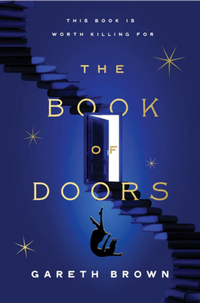
bullet The Book of Doors by Gareth Brown—a strange world of magic, time travel, and books. I quite enjoyed it.
bullet The Frame-Up by Gwenda Bond—magically-enhanced con artists? Count me in.
bullet Martyr! by Kaveh Akbar—this is one of those books that I’m not going to pretend to be able to describe in a sentence without reading, but it looks promising.

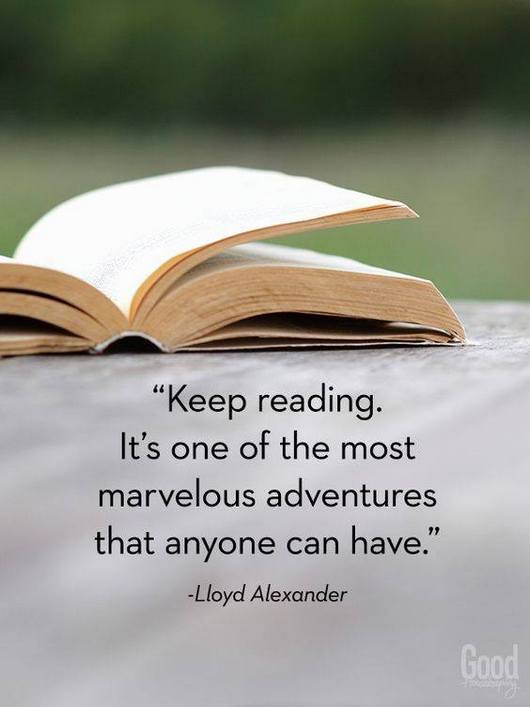
Keep Reading. It's one of the most marvelous adventures that anyone can have. - Lloyd Alexander

The Ballad of Bonaduke—Episode 47: Coming Clean by R. T. Slaywood: Some Progress

The Ballad of BonadukeThe Ballad of Bonaduke—
Episode 47: Coming Clean

by R.T. Slaywood

DETAILS:
Series: The Ballad of Bonaduke, #47
Format: Kindle Vella Story
Read Date: February 15, 2024

The Story So Far…

A drunken Michael Bonaduke decides to use a grift (with maybe some sort of magic/magic-like “help”) to win on a scratch-off lottery ticket so he has money to buy more to drink. He pulls off whatever he did, gets his money and some booze and stumbles off into the darkness to drink himself into oblivion so he can start again the next day. He’s hit by dark memories (probably what’s driving him to the drinking) of fire, pleading, and screaming. There’s going to be a price to pay for his grift, and he’s trying to be ready.

He’s abducted by some representatives of a mysterious group who subject him to a test—if he passes, everything will be explained to him (and hopefully the reader, too). He passes—and is brought somewhere for answers, or maybe training, or maybe another test. Time will tell (or things are going to get really annoying). Answers aren’t quick to come—but the mysteries and questions keep piling up.

Things get hairy and Bonaduke leaves and finds himself back in the neighborhood he started from. He takes refuge in a homeless encampment shortly before a police raid. He’s apprehended and finds himself an interrogation room and shortly escapes after using his grift (but with results he didn’t quite intend). He finds himself by a group of squatters who seem to have strapped a woman to a chair for reasons that can’t be good. He attempts to rescue her before he even realizes what he’s doing, and seems to have succeeded—well, the two of them got away from the group anyway—breathing but bruised. They make their way to a fast-food taco joint and Bonaduke really needs to refuel to keep going. He tries, but fails to get food because he keeps passing out. Thankfully, the clerk is the same guy from the liquor store and he both recognizes him and gives him first aid. The woman (Zero) wakes up and shows some abilities of her on as she helps them escape from her captors who’ve tracked her down. One thing leads to another—Zero and Bonaduke’s magics don’t mix well (at least until they understand what each other can do?), and they end up in a video-game race against the squatters in a tricked-out version of Eric (the clerk’s) car. Note, I said video-game race, not a video-game-style race. They’re actually in one. When dumped back into reality, he’s surrounded by bruised and broken bodies (of people and cars). And then he gets into a supernatural fight and survives…just.

Or maybe not. But he gets better. And then his new…friends? Acquaintances? People who keep popping up in his life?…start explaining exactly what’s going on to him while they set up a new HQ and try to teach him about his abilities (and everyone tries to understand them).

What’s Coming Clean About?

His experiment continues, but as he tries to get some equipment to help him understand what he’s doing, he ends up having to tell Alan what he’s up to. This results in–you’ll never believe this–the two of them having a conversation, Alan helping Bonaduke understand what he’s doing and how to improve things. Then they go to involve the others.

So, what did I think about Coming Clean?

I actually grinned at one point where Bonaduke’s cleverness came back to bite him a little. But more importantly, wow…a conversation, coming clean about something–treating each other like people. It’s about bleeping time. And the way this episode resolved–both in terms of plot and character? I really, really liked it.

I have some measured optimism for the next episode or two…


3.5 Stars

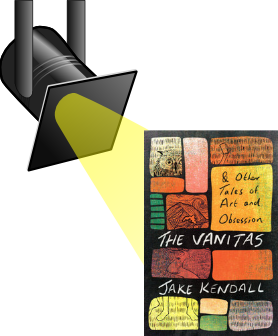
BOOK SPOTLIGHT: The Vanitas & Other Tales of Art and Obsession by Jake Kendall

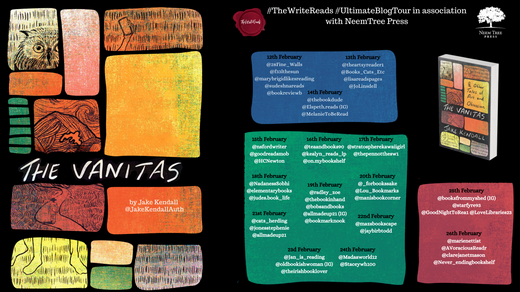
I’m very pleased today to welcome The Write Reads Blog Tour for Jake Kendall’s The Vanitas & Other Tales of Art and Obsession! The Tour has been going for a couple of days now–go check out https://twitter.com/WriteReadsTours from now until the 26th to see a what those who’ve read it have had to say. But in the meantime, let me tell you about the book.

The Vanitas & Other Tales of Art and Obsession Tour Banner

Book Details:

Title: The Vanitas & Other Tales of Art and ObsessionClytemnestra’s Bind
Genre: Art History Fiction, Short Stories
Publisher: Neem Tree Press
Format: Paperback/Ebook
Length: 272 pages
Publication Date: February 22, 2024
The Vanitas & Other Tales of Art and Obsession Cover

About the Book:

Spanning three hundred years of art history, The Vanitas & Other Tales of Art and Obsession tells the stories of those with an insatiable hunger for creation – those who may sacrifice friendships, careers, romance, and even their own happiness in pursuit of a vision.

Weaving art styles such as Cubism, Surrealism, and the Baroque into his prose, Jake Kendall has crafted a vivid and inventive collection. Each story is complemented by a black and white illustration, drawing out the visually evocative nature of the writing and offering readers a unique artistic delight.

Book Links:

Amazon UK ~ Amazon ~ Goodreads

About the Author:

Jake KendallJake Kendall was born in Oxford and studied an MSc in Creative Writing with the University of Edinburgh. He takes inspiration from the visual arts, a theme that formed his debut collection. The Vanitas & Other Tales of Art and Obsession (Neem Tree Press) refracts contemporary issues and anxieties through timeless imagery and artistic movements. Jake lives and works in Edinburgh and spends his free time visiting bookshops, exhibitions, theatre, and independent cinemas.

My thanks to The Write Reads for the invitation to participate in this tour and the materials they provided.

WWW Wednesday, February 14, 2024

I’d make some joke about books being my true Valentine or something here, but Mrs. Irresponsible Reader reads this occasionally—and why test her sense of humor?

This meme was formerly hosted by MizB at A Daily Rhythm and revived on Taking on a World of Words—and shown to me by Aurore-Anne-Chehoke at Diary-of-a-black-city-girl.

The Three Ws are:
What are you currently reading?
What did you recently finish reading?
What do you think you’ll read next?

Seems easy enough, right? Let’s take a peek at this week’s answers:

What are you currently reading?

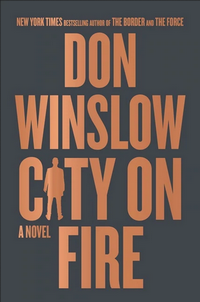
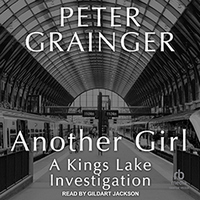
I’m (really) finally reading City on Fire by Don Winslow (yeah, I said I was reading it last week, but as soon as I started I was reminded of a looming Library due date), and I’m listening to Another Girl by Peter Grainger, read by Gildart Jackson on audiobook.

City on FireBlank SpaceAnother Girl

What did you recently finish reading?

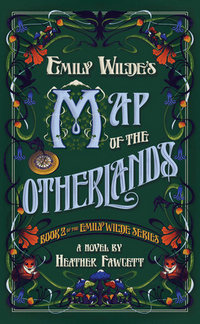
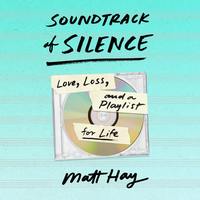
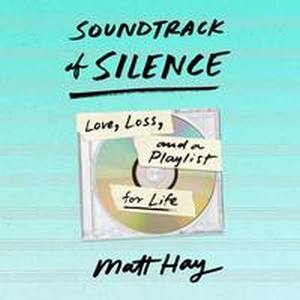
I just finished Heather Fawcett’s Emily Wilde’s Map of the Otherlands and the great Soundtrack of Silence: Love, Loss, and a Playlist for Life by Matt Hay on audio.

Emily Wilde's Map of the OtherlandsBlank SpaceSoundtrack of Silence

What do you think you’ll read next?

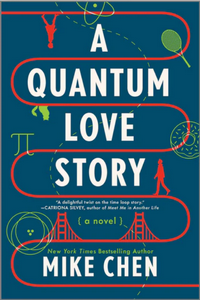
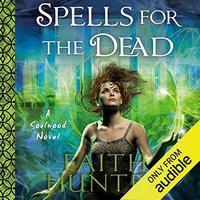
My next book should be A Quantum Love Story by Mike Chen, and boy howdy, am I eager to dive in. My next audiobook should be Spells for the Dead by Faith Hunter, read by Khristine Hvam—I can’t believe it’s been three years since this came out, I need to refresh my memory a bit before I dive into the next one.

A Quantum Love StoryBlank SpaceSpells for the Dead

What books are stealing your heart today?

Opening Lines: City on Fire by Don Winslow

We all know we’re not supposed to judge a book by its cover (yet, publishing companies spend big bucks on cover design/art and we all do judge them that way). But, the opening sentence(s)/paragraph(s) are fair game. So, when I stumble on a good opening (or remember one and pull it off the shelves), I like to throw it up here. There are so few writers that can grab you like Winslow can from the get-go.

from City on Fire by Don Winslow:

Danny Ryan watches the woman come out of the water like a vision emerging from his dreams of the sea.

Except she’s real and she’s going to be trouble.

Women that beautiful usually are.

Danny knows that; what he doesn’t know is just how much trouble she’s really going to be. If he knew that, knew everything that was going to happen, he might have walked into the water and held her head under until she stopped moving.

But he doesn’t know that.

So, the bright sun striking his face, Danny sits on the sand out m front of Pasco’s beach house and checks her out from behind the cover of his sunglasses.

Opening Lines Logo

Top 5 Tuesday – Top 5 books about music (My Non-Fiction List)


This week’s topic is, “Top 5 books about music. February seems to have a ‘national ukulele day’ so what are your top 5 books about music, musicians, or instruments.” I had a very hard time cutting this down to five when I was thinking about novels, so I decided to do a Non-Fiction list as well. This was a bit trickier, actually. Maybe if I tried harder, I could’ve come up with a better list, but I didn’t have that kind of time. But once I had the idea for this list I had to finish.

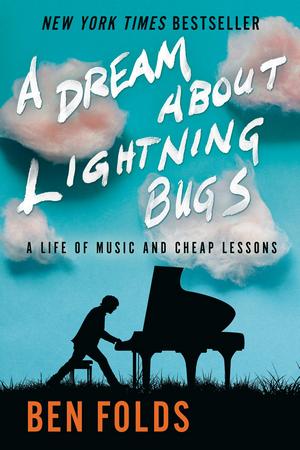
1 A Dream About Lightning Bugs
A Dream About Lightning Bugs by Ben Folds

Sure, the big appeal of this book is to learn more about the career of Folds and the Ben Folds Five, and there’s some good material on the ups and downs of Folds’ personal life. What he says about music and the creation of it–both his and others’, that gets it on this list. Also, I’m a pretty big fan of the author, that doesn’t hurt.

2 Soundtrack of Silence
Soundtrack of Silence by Matt Hay

It’s dangerous to put this here because I’ve barely scratched the surface of the book as I compose this. But something about the premise and the early execution, the nice way that he’s working in references and lyrics to music makes me think it’ll be worth calling one of my Top 5.

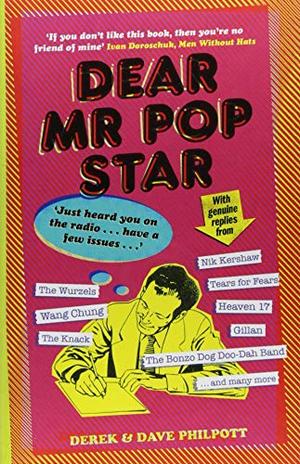
5 Dear Mr Pop Star
Dear Mr Pop Star by Derek & Dave Philpott

It’s kind of a stretch to include this one, but this book brought me so much joy that I don’t care. I’ll vigorously apply a shoehorn to get it to fit. It’s not about music or musicians, per se. It’s a collection of “deliberately deranged letters to pop stars from the 1960s to the 90s to take issue with the lyrics of some of their best-known songs.” For example, they write to Starship about “We Built this City” going into a great amount of detail about the nature of foundations, different types of them, etc. and how this makes their “design project” the “most ludicrous” in the history of architecture. But what separates this book from similar tomes, what makes it special is that on the very next page, you get to read a response from Martin Page, who co-wrote the song. Page mounts an impassioned defense of the song — full of references to Rock classics as proof. Each letter printed in this collection is answered by a songwriter, musician, or other representative of a musical act. Some of these responses debate the premise of the Philpott’s letter, some answer in the same vein, others take the premise and run with it in their own way — some appear to be in on the joke, others appears to be flummoxed that anyone would take their lyrics in this insane manner.

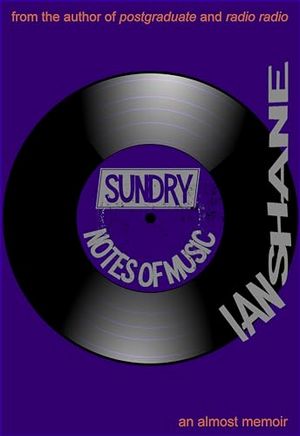
3 Sundry Notes of Music
Sundry Notes of Music by Ian Shane

We all know how a song can tie you to a moment in your personal history. Just hearing it can take you back to a moment, to a feeling, etc. There’s also how the lyrics of a song can hit you just right and inform a period of time in your life. We all know it, but few of go where Shane did and write a memoir (of sorts) tracing significant songs.

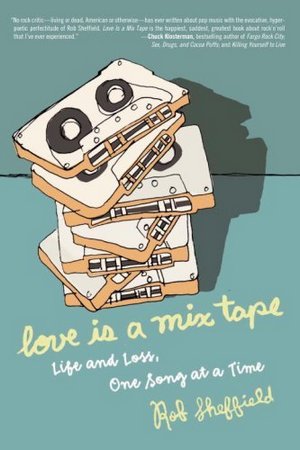
4 Love is a Mix-Tape
Love is a Mix-Tape by Rob Sheffield

A stray thought about this book led to this list. This is simply a fantastic book, a chronicle of Sheffield’s time with his wife, Renée, from their meeting to her untimely death at the age of 31. He frames his account in discussions of mix tapes he or she made for various times/events in their lives. The songs, and the feelings they evoke, are just as much part of their story as anything else. There’s a lot of humor, a lot of heart–and then some heartbreak and the aftermath. I really should make some time to re-read this.

Top 5 Tuesday – Top 5 books about music (My Fiction List)


This week’s topic is, “Top 5 books about music. February seems to have a ‘national ukulele day’ so what are your top 5 books about music, musicians, or instruments.” I had a very hard time cutting this down to five (as you can plainly see from all the “See also” books I mention), but I have a list I’m happy with. But I think I could’ve gone for 20 without breaking a sweat.

Oh, yeah, I did call this “My Fiction List” up there in the title. There is another one coming…

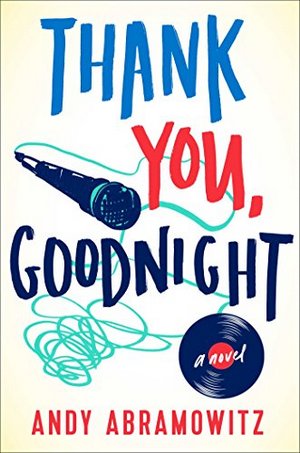
1 Thank you Goodnight
Thank you, Goodnight by Andy Abramowitz

A pretty successful lawyer/one-time rock star takes one more swing at music success–if only he can get his band to forgive him for how he treated them when they were at their peak. Until I read my post about it, I honestly remembered very little about the book (it’s coming back to me now)–but I recall being blown away by Abramowtiz’s depiction of the highs and perils of superstardom, and the way the character had to work to get his old friends to see past his faults.

See also: Juliet, Naked by Nick Hornby, The Jackals by Adam Shaw, The Rome of Fall by Chad Alan Gibbs, The Love Song of Johnny Valentine by Teddy Wayne

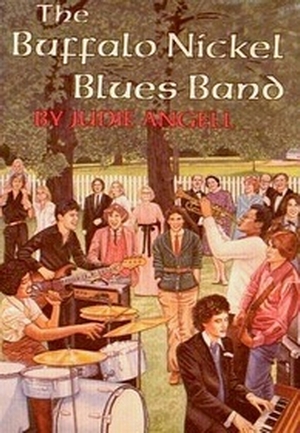
2 The Buffalo Nickel Blues Band
The Buffalo Nickel Blues Band by Judie Angell

I don’t remember what grade I was in when this book came into my life–I’m pretty sure it was due to a Scholastic Book order form. I can’t remember if my mother or I picked it for me–but it’s almost certainly the first book I read about a band/musicians (outside of Fflewddur Fflam, anyway). So, yeah, pretty much every book in this post owes the fact that I care about novels about music/musicians. I haven’t touched the book since the Reagan administration, and don’t know what happened to that copy. But I could still probably muster a full blogpost about it. It got into my blood, the way a great song will do. It’s about the shortlived career of I-want-to-say-middle-schoolers in a local band playing music that appealed to both adults and their peers.

See also: Rock On by Denise Vega

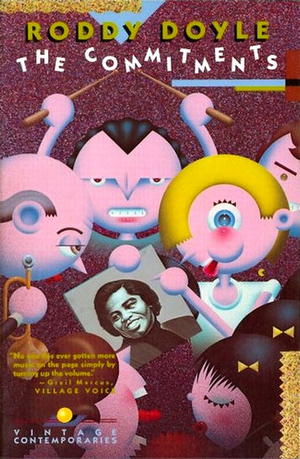
3 The Commitments
The Commitments by Roddy Doyle

I’m fairly certain that I’ve used this book on 1/3 of the book tags I’ve done over the years. That’s hyperbole, but it feels true. It’s one of those books (see the last on this list) that was so formative for me that I still use it as a filter for books/films/shows that I read/watch to this day–and it all started with the video for “Try a Little Tenderness” from the movie soundtrack–the four of us in my freshman dorm room stopped whatever we were doing when it came on–and naturally, I had to rush to the arthouse theater when it finally arrived. When I saw it was based on a book, you can believe I wasted no time in getting my hands on it. More than any book on this list, you can hear the music this band listens to or performs. Doyle is able to catch the rhythm and sound so perfectly I can’t imagine anyone else coming close (but would love to see it).

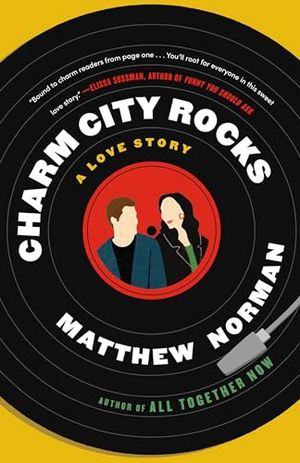
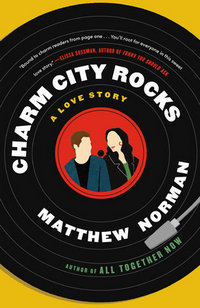
4 Charm City Rocks
Charm City Rocks by Matthew Norman

Maybe it’s recency bias that puts this here. I’m not sure I care–Norman captures the joy associated with performance and the joy of watching an excellent performance in a way that few others do. He also captures the feeling so many of us had about 90s rock and the culture around it.

See also: This Bird Has Flown by Susanna Hoffs, Not Famous by Matthew Hanover, Runaway Train and Grenade Bouquets by Lee Matthew Goldberg, About a Boy by Nick Hornby

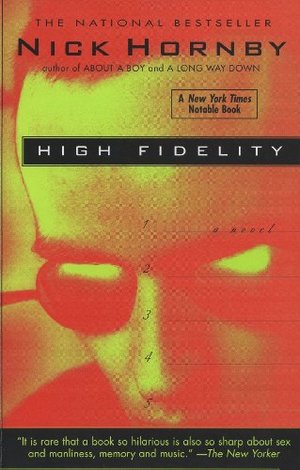
5 High Fidelity
High Fidelity by Nick Hornby

Is there anything more cliché than this choice for a white dude of my age? Probably not. But I’ll defend this choice. There’s a reason that every guy my age talks about this book–Hornby hit something in all of us. Rob (and the rest of the gang) were able to find a passion in the music of their lives, and through that were able to find ways to express their feelings outside of that. What Rob (and the rest, but especially Rob) says about music and its power would probably be co-signed by every character in these books, and most of the readers of them.

What came first, the music or the misery? People worry about kids playing with guns, or watching violent videos, that some sort of culture of violence will take them over. Nobody worries about kids listening to thousands, literally thousands of songs about heartbreak, rejection, pain, misery and loss. Did I listen to pop music because I was miserable? Or was I miserable because I listened to pop music?

See also: Post-Graduate and Radio Radio by Ian Shane, About a Boy by Nick Hornby

Yes, I mentioned a few of those See Also books multiple times. I had a hard time limiting them to a listing with just one book. Many of them probably could’ve fit in more places than I listed, too…but things were getting out of hand.

And I’m not sure where/if I should’ve worked in The Name of the Wind.

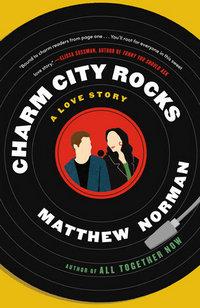
Charm City Rocks by Matthew Norman: A Tale of Second Acts and Second Chances

Charm City RocksCharm City Rocks

by Matthew Norman

DETAILS:
Publisher: Dell
Publication Date: June 6, 2023
Format: Paperback
Length: 339 pg.
Read Date: January 9-10, 2024

Buy from Bookshop.org Support Indie Bookstores

What’s Charm City Rocks About?

Billy Perkins is happy. Everyone knows this–he’s got his dream job (music teacher), he’s good at it–and makes enough money to keep going. He’s got a great kid, and a solid relationship with the kid’s mother. He’s well-liked in his neighborhood and at Camden Yards. Who wouldn’t be happy? He’s also got this newfound appreciation for cardigans, “the perfect garment, like, the convertible of sweaters”–and he looks good in them. If you can find pleasure in the little things like that…why not be happy?

Margot Hammer is a drummer best known as part of the all-female rock group Burnt Flowers*. Then as the wife of Lawson Daniels, the giant movie star, her fame grew even more. Then she dumped the cheater, quit the band in a dramatic fashion, and vanished from the public eye, becoming a “whatever happened to…” name. She was pretty satisfied with that until Burnt Flowers is featured in a documentary series, which renewed that itch to play again and generally reminded her of what she lost with her bandmates.

* Not for nothing, that’s just a great 90s band name. I would thoroughly enjoy hearing Norman talk about coming up with it and what some of the other contenders for that name were.

But after listening to his dad talk about Margot after seeing her on that history of rock documentary on Netflix, Billy’s son, Caleb wonders–what if his dad isn’t as happy as he could be? Is he maybe a little lonely? So Caleb does something harebrained, problematic in several ways, and destined to fail.

He brings the two together in a move straight out of a rom-com’s first draft, but instead of the meet-cute he hopes for–we get kind of a meet-ugly. Billy, being the almost-impossibly decent guy that he is, tries to salvage the time and make it up to her. Also…how often does he get the chance to spend time with his all-time favorite drummer?

Something strange ensues for Margot–she has fun. With Billy and in general. She also gets a little social media attention (which spills over into mass media). This is enough to get her old record company to try to capitalize on that. She’s not interested in doing that, but does decide to spend a little more time with Billy.

The pair have great chemistry–and maybe more. But will figures from their pasts derail them? Should they?

Baltimore

As they stand on Thames Street, he imagines the neighborhood from Margot’s perspective. Daquan is one block over, pounding away. The sun is moving toward the horizon. The twinkly lights strung around the outdoor eating area at the Greek restaurant next door come on, and people are out with their tattoos and interesting outfits and cool beards. Like always, there’s music everywhere.

“It’s not like how everyone says,” says Margot.

“What isn’t?”

“Baltimore,” she says. “I thought it’d be, I don’t know, more murdery.” …

“Be patient,” he says. “The night is young.”

As much as this book focuses on the love story between Billy and Margot, there’s a strong thread about love for Baltimore. I knew, on some level, that there has to be more to the city, but at the end of the day, I really think of Baltimore in much the same way as Margot in the quote above.

But that’s not Matthew Norman’s Baltimore–and it’s not the Baltimore of these characters. Frankly, if this Baltimore resembles the actual thing, I’d love to spend time there (you know, assuming I can shake the David Simon associations).

There are two neighborhoods (that don’t seem too far apart) that we spend most of our time in–and both have a strong sense of community about them. Particularly the area that Billy’s apartment is in, which also contains the place where Caleb’s plan was executed and the bar that the adults found themselves in to recover. The neighborhood figures from this area both grounded and sold the experience for me (and, I think, Margot). Too often people talk about the location of a novel/movie being another character–but when someone depicts their setting so strongly and so warmly, it’s hard not to resort to that kind of language.

Caleb

I’ve frequently talked about great Mother/Daughter and Father/Daughter relationships in various books, but I don’t think I’ve talked much about great relationships with sons. I also can’t think of many off the top of my head.

The relationship between Caleb and Billy, however? It’s a standout. Caleb’s relationships with his mother and stepfather are good to see, too. But man…the link between Father and Son here is something special. The lengths that Caleb went to in order to give his father a shot at happiness–and the life-altering choices he makes because of his parents (particularly, it seems, his father)–tells you a lot about this kid and the bond he has with his parents. I really can’t think of a better son in Fiction (not that I’ve spent a lot of time trying, but authors seem to do better at daughters).

He gets off a little easy when it comes to the shenanigans he got up to in introducing his dad to Margot, really the more I think about it, the worse it was (but consuming a large amount of edibles thinking they’re just candy is a pretty good justification for it). But, I think Norman is right to cut him some slack and not get into just how bad it was. Actually, most books (and almost every movie I can think of) would’ve allowed Caleb’s scheme to work for a bit, and would extend the nonsense for far too long before having it collapse for the sake of drama. I am so, so, so glad that Norman didn’t do that. He simply let the idea fall apart and then moved on, making lemonade out of Caleb’s citrus offering.

So, what did I think about Charm City Rocks?

I knew I should’ve read the book as soon as it landed on my doorstep in June. I knew I was missing out on something–and I was. But on the plus side, it’s a pretty good way to start off the year, too. This is just a fun book.

So I loved the whole super-star story and the debacle Margot made of her career and life–it’s a very VH-1 Behind the Music tale. All the behind-the-scenes show business stuff, both in the past and present, were great. But what sold me was the connection both Billy and Margot (and several other characters) had to music–listening to it, performing it, creating it–even just thinking about it. Strip away fleeting fame and money, that’s what counts. That’s why people care about musicians, it’s because of the music that they bring us and what it does for our souls and psyches. As Norman celebrated that, you couldn’t help but respond. (and as flakes wanted to twist that for their own benefit, you respond as well)

One shouldn’t overlook Caleb’s mother–even though I pretty much have–her arc isn’t pivotal to the book as a whole, but it’s so satisfying. She’d be an easy character to bring on for a few scenes as a plot complication, or just to add a little flavor to the world–but Norman fleshes out her character, gives her an arc, and gets the reader invested in her and her happiness.

There’s another ex- in the picture, and while you know how they’re going to complicate the characters’ lives almost instantly upon their introduction, I can’t bring myself to get into the details. I wanted to say something about a jealous toddler wanting their discarded toy just because someone else has it–but Norman wisely takes that option away. That’s not to say that the character doesn’t muck things up pretty seriously for almost everyone in the book…I’m just saying they’re not a monster.

I think the best way to sum up my reaction to the book is that I noticed that every time I put the book down for some reason, I was grinning. Not because I set the book down, but it just made me happy. Not Billy-happy, but happy.

A little cheesy? Sure. Generally predictable? Sure. Engaging, charming, witty, optimistic, and upbeat? Sure. If you’re looking for more in a rom-com, you’re not looking for a rom-com. This won me over in the beginning and kept my affection throughout. This was a sure-fire winner for me.


4 1/2 Stars

This post contains an affiliate link. If you purchase from it, I will get a small commission at no additional cost to you. As always, the opinions expressed are my own.

Irresponsible Reader Pilcrow Icon

PUB DAY REPOST: The Book of Doors by Gareth Brown: We All Know Books are Magical, but Some Books Really Are Magic

The Book of DoorsThe Book of Doors

by Gareth Brown

DETAILS:
Publisher: William Morrow & Company
Publication Date: February 13, 2024
Format: eARC
Length: 416
Read Date: January 10-16, 2024
Buy from Bookshop.org Support Indie Bookstores

What’s The Book of Doors About?

Cassie Andrews grew up in the Northwest and had what you’d call a typical, nice life (with a little tragedy, because we all do). She grew up, had one big adventure, and then settled into New York City, and is having a typical life—with enough fun and love to keep going, but nothing exciting happens to her. Then one day a regular customer that she’d befriended dies and leaves a book for her. It’s a lovely little book, so she takes it home with her.

She quickly discovers that this isn’t any ordinary book—in fact, it’s called “The Book of Doors” and the inscription inside it tells her that every door is any door. An odd thing to say, but she discovers that it means she can open and step through any door with the book in her hand. Cassie and her roommate Izzy have some fun with the book, before Izzy starts to worry about the cost of this magic.

Cassie’s undeterred, however, and keeps experimenting. It’s not too long before a man called The Librarian (by some) finds them—warning Cassie that she’s in danger because of this book. There are many “special books” like the Book of Doors (not all as powerful), and there are those who want to add her book to their collection and will stop at nothing to get it. As these people are equipped with their own special, magical books—the things they can do are pretty remarkable.

Can Cassie stay ahead of these people—or off of their radar entirely? Can she use her book to help the Librarian keep his collection of books safe from a mysterious woman determined to possess them all?

Time Travel

This is more of a Fantasy kind of Time Travel than a Hard Sci Fi Time Travel. That’s really not a profound observation on my part, come to think of it—everything these books do is described as magical. So a lot of your typical rules when it comes to Time Travel are thrown out. You’re not going to get a butterfly effect here, or see what happens if you go back and keep your dad and mom from going to the Enchantment Under the Sea dance together. It’s more along the lines of what the Wyld Stallyns did (at least in the first movie, I can’t speak to the others).

I mention this just so you know what you’re getting into—I have friends who take a very purist approach to Time Travel, and want scientific explanations for everything (hopefully with a good amount of theorizing). They will probably not appreciate this book for that. On the other hand—I have friends who get tired of that kind of thing—they’ll have a lot of fun with Brown’s take. There are probably more people who won’t care, and will just have fun with the wibbly wobbly of it all.

The Rest of the Magic

There are many more books than The Book of Doors running around (more than we’re told specifically about), and all of them have applications you wouldn’t immediately think about. What the Book of Illusion can do by someone who knows what they’re doing? Awesome. The Book of Luck is pretty much what the tin says. The Book of Despair…it’s worse than you think, at least when used by someone who knows what they’re doing (and who should never be allowed to use it).

I’m tempted to keep listing the books, but that would get boring for you and me. The great thing about Brown’s magic system is the wide diversity of magical abilities and the way they’re used. I don’t know how much time he spent coming up with the ideas behind them, or if he just had a handful and then created a new book when he wrote himself into a corner—but either way, a good deal of ingenuity is displayed here, and I want to see more of it. (honestly, I assume he did a thorough job of coming up with the books beforehand, but I just like the idea of him getting to the point where says…”I need a Book of Antigravity so Cassie can float away from a thrown knife.”*)

* Not anything that actually appears in the book.

Quibbles

It’s not a perfect book. Few are, so this isn’t about me listing off reasons to avoid this book. I just want to be thorough as I talk about it.

First off, the book (particularly in the beginning) relies too much on the POV characters looking at reflections of themselves. This is a pretty common thing—some would call it a cliche (particularly as a woman character describes some of her physical attributes)—and the first time that someone did it, I rolled my eyes and moved on. But then it happened again, quickly after that, while it was still echoing in my ear. And then again. And it became a thing I paid too much attention to because it happened so much. If mirrors and reflections had become very important to the magic or plot as a whole—I might have spent a paragraph or two lauding this. But it didn’t. It just distracted and kind of annoyed me.

The “Big Bad” doesn’t have a name. She’s simply, “the woman.” If she was a character who showed up in other places, and we were supposed to figure out which of female characters she was—that’d be one thing. But there’s never a doubt about that, she’s simply “the woman.” She doesn’t even get a nickname like “She Who Must Not Be Named” or even “The Big Bad.” Surely, at some point, the subculture surrounding these special books would’ve started referring to her as something along those lines. A name, a title (like The Bookseller did), something whispered in the shadows. Not just “the woman.”

There are probably other flaws in the book—undoubtedly there are*—but these are the only two that jumped out at me (and kept doing so). In the end—both were easily overcome by the weight of all the good-to-great things about it. But I was irked enough that I had to talk about them a bit.

* Just before I hit “Publish,” I remembered a chapter focused on “the woman” that made me briefly consider stopping entirely. I am so glad that I persevered, and it wasn’t that difficult to.

Now, let’s get back to the good stuff. I probably won’t think about these issues again myself, when I think back on this book, I’m only going to think of what I say next.

So, what did I think about The Book of Doors?

If you took Peng Shepherd’s The Cartographers and merged it with Robin Sloan’s Mr. Penumbra’s 24-Hour Bookstore, you’d get something sort of like this. The secret subculture that arose around these special books—subcultures, really—made me think of these books, as well as the devotion to something that’s increasingly archaic—a typeface, paper maps, antique books, etc. There is great power, as well as great affection, in these artifacts of a former age. Sure, they’re not magical or mystical like Shepherd, Sloane, or Brown say. But these novels resonate for the same/similar reasons, these things call to us.

Setting aside all the magic and plot and character—just focusing on what The Book of Doors says about books in general, is pretty special. This aspect alone is going to speak to a lot of readers (most people who’d call themselves “readers,” in fact.). And you could spend time just flipping through those parts of the book.

On the whole, this novel was a slow burn for me—I was instantly drawn to the idea behind the books, I liked Cassie, and the way that Brown showed her reacting to the book. But then once we got into the story about “the woman” and the Librarian, my interest waned a lot. I’m not sure it should’ve, and many will likely have a different reaction, but it did. But as I kept reading, I got more and more invested and my inner-critic shut up because he was as interested in what was going to happen next as the rest of me was.

By the time you figure out what Brown’s end-game was—and Cassie’s, too—it’s so satisfying to see it all play out. It’s really a very tidy book and everything means something. But it’s not just the plot that works so well, all the emotional beats are so well-executed that you will be tempted to go back through Brown’s non-existent backlist to see where he figured out to write them so effectively.

If you like the idea of a kind of magic you’ve not seen before, magical time travel (among other things), an off-the-radar subculture devoted to this magic (or at least the idea behind it), and a quiet bookseller finding her inner strength and perseverance in the face of evil—you’re going to want to check out The Book of Doors. I strongly recommend you do.

Disclaimer: I received this eARC from William Morrow & Company via NetGalley in exchange for this post—thanks to both for this.


4 Stars

This post contains an affiliate link. If you purchase from it, I will get a small commission at no additional cost to you. As always, the opinions expressed are my own.

Irresponsible Reader Pilcrow Icon

MUSIC MONDAY: Banks by NEEDTOBREATHE

Music Monday
Music Monday’s originated at The Tattooed Book Geek‘s fantastic blog and has shown up here and there since then.

Let’s get a little sappy for Valentine’s Day week.

(from CMT Campfire Sessions)

Irresponsible Reader Pilcrow Icon

Page 3 of 5

Powered by WordPress & Theme by Anders Norén