Author: HCNewton Page 32 of 603

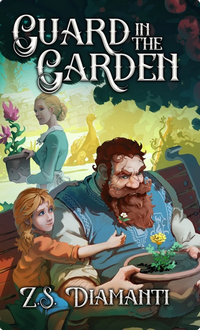
Guard in the Garden by Z. S. Diamanti: The Difficulty of Finding a New Path

Cover of Guard in the Garden by Z. S. DiamantiGuard in the Garden

by Z. S. Diamanti

DETAILS:
Series: A Fable of Finlestia 
Publisher: Golden Griffin Press
Publication Date: March 4, 2025
Format: eBook
Length: 294 pg.
Read Date: July 30-31, 2025
Buy from Bookshop.org Support Indie Bookstores

What’s Guard in the Garden About?

After a lifetime of effort and service, Felton Holdum is admitted to an elite group of warriors, a culmination of his work. Shortly thereafter, he’s seriously injured. He’s convinced he’ll recover enough to rejoin his team, but no one else seems that convinced.

After convalescing for a while on the couch at a home his aunts share, he tries to rejoin his—or any unit. They politely guide him to the City Guard while he “continues to gain strength.” The Guard takes him on and assigns him to patrol the Districts he lives in. One of the quietest, most peaceful, crime-free districts in the city—or in all of Fiction from what I can tell.

He takes the job seriously, however (which is his basic approach to life). Then he goes home each night to wallow in self-pity.

But slowly, thanks to the people he meets on patrol, acquaintanceships he renews, and some wise words from a fellow injured-vet, he starts to find new purpose in life.

The Little Things

Let me pause here for a moment to say that Felton Holdum is a name that screams “dwarf” to me somehow, and yet it’s probably the least dwarfish name. Seriously, come for the sweet story, stay for the details like “Bendur Clagstack.”

There are loads of tiny touches that really bring this world to life, grounds it in Fantasy, and gives a little boost to the whole experience. These names, characteristics, creatures, and so on. One detail that I liked that I can’t resist sharing is that one of Felton’s neighbors is a human blacksmith in a Dwarven city. And he’s a successful one at that, which is strange to everyone. While noting the strangeness, everyone accepts him because of the work—and that part of town is just like that.

My New Favorite Curse

I try not to curse personally, but I fail at that daily. So I do try to be creative about it, and steal from fiction just to make myself grin. The first time I read Felton say, “Shave me,” I knew I found a winner. Not only is that a perfect curse for a dwarf—seriously, how have I not seen someone else use this? It’s right there, fantasy writers!

But also, as a bearer of a chin curtain, it’s just a great curse. It carries the same self-maladictory tone as the more popular alternative—and it won’t get me looks from anyone at work.

So, what did I think about Guard in the Garden?

This book is the walking, talking definition of Cozy Fantasy. You can see most of this book coming light years away—and you don’t care. You just don’t. This isn’t about suspense or plot twists—this book is about healing, growth, satisfaction, and finding joy in new ways. It delivers that in abundance.

The meet-cute that really kicks this story into a new gear is as cute as you could want—you can’t help but smile at it. And really, that goes for just about everything else.

I should note that there was one paragraph of really awkward dialogue—it stood out to me because the rest of the book was so seemingly-effortlessly smooth. But as it was the one moment like that, and I only remembered it because I made a note about it.

Do we get the blow-by-blow about Felton dealing with his demons? No. Do we get all the details we want about the romance? No. A lot of both of those happen between chapters, and we see the result of the work he’s doing. The way we see the bonds developing and deepening between Felton and the people in his District, his friends, and family.

This is a pleasant read that will leave you feeling warm and hopeful. You’ll enjoy the characters and getting to watch them. It’s everything that a Cozy promises to be—what more could someone ask?


3.5 Stars

This post contains an affiliate link. If you purchase from it, I will get a small commission at no additional cost to you. As always, the opinions expressed are my own.
20 Books of Summer 2025 logo

MUSIC MONDAY: “One More Minute” by “Weird Al” Yankovic

The Irresponsible Reader's Music Monday logo

Music Monday's originated at The Tattooed Book Geek's fantastic blog and has shown up hither, thither, and yon since then.

Yes, I’m one of those people that takes videos when they go to a concert and makes people watch them (this was the only complete song from this concert). And yes, I’m being even more obnoxious by posting it here. No need to watch, just put this in a tab running in the background and listen, k?

(also, don’t worry, I’ll move on from Weird Al next week. I’m just a sucker for him and got excited because of the concert)

Irresponsible Reader Pilcrow Icon

Books about Books and the People Who Love Them

Updated 8/9/2025

Saturday was National Book Lovers Day (yes, around here, that’s just another way of saying it’s a day that ends in “ay,” except it’s a National thing). I’m not sure that “Lover” is the best way to describe me—buying, reading, and surrounding myself with books is just who I am. “One does not love breathing,” as Miss Jean Louise Finch, said.

Or in the words of Patrick Rothfuss, “I always read. You know how sharks have to keep swimming or they die? I’m like that. If I stop reading, I die.”

Scout and Rothfuss are likely overstating things—or maybe not, but they can give that impression. So maybe it’s safer to call ourselves book lovers, eh?

I’ve been meaning to post something about National Book Lover’s Day for years now, but I’ve never really known what to say. But it occurred to me (as I was saying that) that I could put together a handy-dandy list of books that show love to books, either about talking about books or those who write, read, sell, or loan them.

This isn’t necessarily a complete list, in fact, I’m sure it’s not. I did a quick survey of the 5200 plus posts I have here) to compile this list in two days in 2024, plus a little bit of time adding books since then. But it’s a pretty thorough one—I’ll get this in better shape by next year.

(Probably…Maybe…We’ll see.)

Books about Books and the People Who Love Them

(Links will take you to my post featuring the book.)

NonFiction

Fiction

  • A Rare Book of Cunning Device (Audiobook) by Ben Aaronovitch, Kobna Holdbrook-Smith—a fun, short, installment in the Rivers of London that finds Peter and some friends in the basement of the British Library (which sounds like a great place to visit for someone like me) tracking down a magical book.
  • What You are Looking for Is in the Library by Michiko Aoyam—a series of short stories depicting people struggling through various stages in life being helped by a wise librarian (almost magically so) directing them to just the right book to lead them to improve their lives.
  • The Book That No One Wanted to Read by Richard Ayoade, Tor Freeman, Jarvis Cocker, Lydia Fox—a book written by a book (making it far different than a book written by a person) about a book that no one wanted to read and how to help it. That’s a lousy description, so let me just say—you need to read it.
  • No Two Persons by Erica Bauermeister—a series of short stories follows the path of a book from its writing, to finding an agent, to the audiobook narrator, and the impact it makes on the lives of those who encounter it in various forms.
  • The Book of Doors by Gareth Brown—A bookstore clerk finds herself in a world of magic and wonder (and danger) thanks to impossible books.
  • The Finlay Donovan series by Elle Cosimano—a romantic-thriller writer’s conversation with her agent is overheard and misunderstood leading to her being hired as a hitman. Hilarity, danger, and amateur crime-solving ensues as she and her live-in nanny try to stay out of trouble.
  • I Cheerfully Refuse by Leif Enge—in a largely (and proudly) post-literate postapocalytpic society, one rare book brings turmoil to a community and family. (there’s a lot of other things going on, too–but that’s the core)
  • The Hero Interviews by Andi Ewington—a young man goes off to research a book into what makes a hero by interviewing all sorts of stock (and some not-so-stock) Fantasy Characters
  • The Thursday Next books by Jasper Fforde—I’ve only read two of these (and I don’t know that I’ll read more, which is a commentary on me, more than the books), but they’re a strange and often delightful series about a literary detective who can travel in time, space, and into books.
  • The Ian Ludlow thrillers by Lee Goldberg—follow a thriller writer whose life keeps getting turned upside down when the plots of his novels keep coming to life as various and sundry criminals and terrorists borrow his ideas.
  • Ban This Book (Audiobook) by Alan Gratz, Bahni Turpin (Narrator)—an elementary school girl, upset that she can’t borrow her favorite book from the school library anymore, begins a lending library from her school locker featuring several books the school administration has decided don’t belong in the library.
  • Summer Hours at the Robbers Library by Sue Halpern, read by: Josh Bloomberg, Dara Rosenberg, Allyson Ryan—I can’t sum up this book about found-families in a small-town library beyond this inadequate try.
  • My Lady Jane (Audiobook) by Cynthia Hand, Brodi Ashton, Jodi Meadows, Katherine Kellgren—Within this YA/Supernatural novel that re-writes Lady Jane Grey’s life, we get a love letter to books — and Jane is the representative book lover par excellence (though she could like poetry and novels a bit more)—there’s a treasure trove of quotations about reading, books, and related topics in these pages.
  • The Hawthorne and Horowitz Mysteries by Anthony Horowitz—These books feature a fictional and somewhat hapless Anthony Horowitz being hired to follow a consulting detective on some cases and write about Hawthorne’s successes (because Hawthorne needs the extra money).
  • How I Became a Famous Novelist by Steve Hely—a hilarious, over-the-top (yet probably really tamer than reality) satire about the publishing industry and the selling/making of books.
  • The Door-to-Door Bookstore by Carsten Henn, read by: Raphael Corkhill, translated by Melody Shaw—Schmaltzy but earnest story about an older man connecting people with just the right books
  • The Library Murders by M.R. Mackenzie—a twisty murder mystery that includes a sincere and heartfelt tribute to Library workers and the value of their service.
  • The Jake Mooney books by Duncan MacMasterHack, Hacked, and Hacker (that I really need to write a post about) tell the story of a ghost writer who keeps finding himself in situations where he has to solve murders and try to keep from becoming the next victim. Funny, action-filled, mysteries
  • Namaste Mart Confidential by Andrew Miller—a would-be novelist and his stand-up comedian roommate/coworker serve as unlicensed P.I.s when they’re not working at a supermarket.
  • Lula Dean’s Little Library of Banned Books by Kirsten Miller—this is a sanctimonious and shallow book (IMNSHO), but the message about the value and importance of all books—particularly those that people might want to ban—rings clear.
  • Jane and Dan at the End of the World by Colleen Oakley—a not very successful writer finds herself stuck in the middle of a hostage situation that closely resembles her own book—if she could just convince her husband of that fact, they might beable to get out of the situation.
  • The Awful Truth About the Sushing Prize by Marco Ocram—a mystery novel featuring a best-selling author who can create reality by what he writes (it’s more nuanced than that, but it’s close).
  • According to Mark by H. B. O’Neill—a man suffers a breakdown and is visited by Mark Twain’s ghost who convinces him to kill himself.
  • Man on a Murder Cycle by Mark Pepper—a past-his-prime author, struggling to recapture his former success, steals the work of a dead author. And then people start being killed in ways depicted in that book, making him the prime suspect. And then things get weird.
  • I Will Judge You by Your Bookshelf by Grant Snider—brilliant comic strips about books, writing, reading, and the like
  • Everyone in My Family Has Killed Someone/Everyone on the Train
  • How to Write a Novel by Melanie Sumner—the sweet (and clever) story of a 12-year-old would-be novelist in her attempt to write a novel that will sell enough to allow her mom to quit her job and take care of her family.
  • The Bookish Life of Nina Hill by Abbi Waxman—one of my favorite novels from the past five years is about a bookseller and reader discovering a family, making new friends, falling in love, and basically finding life outside of her books (but never without them)
  • The Storied Life of A.J. Fikry by Gabrielle Zevin, read by: Scott Brick—a sweet rom-com about a small-town bookseller finding love.

Irresponsible Reader Pilcrow Icon

Image by Hermann Traub from Pixabay

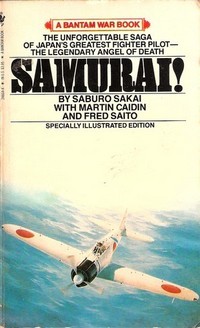
Samurai! by Saburo Sakai with Martin Caidin and Fred Saito: The War in the Pacific from the View of a Japanese Cockpit

Cover of Samurai! by Saburo SakaiSamurai!

by Saburo Sakai with Martin Caidin and Fred Saito

DETAILS:
Publisher: Bantam Books, Inc.
Publication Date: May 1978
Format: Paperback
Length: 315 pg.
Read Date: July 17-22, 2025

Buy from Bookshop.org Support Indie Bookstores

In the Imperial Japanese Navy I learned only one trade—how to man a fighter plane and how to kill enemies of my country. This I did for nearly five years, in China and across the Pacific. I knew no other life; I was a warrior of the air.

What’s Samurai! About?

The inside page of my edition puts it this way, and I can’t do much better (although I might tone down the language a bit, but it’s not bad for the late 70’s)

The Outcast Who Became Emperor of the Skies

He was a school dropout, juvenile delinquent, and family disgrace—until he first stepped into an airplane. From that moment he soared into legend as Japan’s deadliest ace, and the most feared pilot of World War I.

SAMURAI! is the unforgettable saga of Saburo Sakai—a story of explosive action, violent victory, and personal agony that is absolutely true and vividly real . . . from the roaring of winged cannons in aerial combat, to the anguish of a defeated nation.

The Foreword Alone

The foreword to the book gives an abbreviated biography of Sakai and is the only point that Caidan and Saito are mentioned, to emphasize the “autobiographical” nature of the book*. It also describes some of the research that went into the book.

Honestly, you don’t have to read the whole book to get the idea that Sakai is an impressive figure. Just read the foreword. His post-ward activities alone are pretty impressive—possibly more so than the feats during the war, given the context.

If you’re at all curious about the book, read the foreword. If you’re still curious—dive in. If you decide, “I’m good,” at that point, you probably are. (Although you might want to take a glance at chapters 2 and 3 to see what his military training was like. If you’re similar to me, you’ll think that Full Metal Jacket‘s Gny. Sgt. Hartman wasn’t so bad after all.)

* There might be one or two mentions of Saito’s research in footnotes, but I’m pretty sure Caidin isn’t mentioned again. Like a good ghostwriter, he disappears.

Incredibly True

The back cover of my edition claims that this is “an incredibly true, powerfully moving story of glory, defeat, and ultimate victory—told by the man who lived it.”

Maybe it’s just me, but anytime you put a qualifier on “true,” my skepticism kicks in a little. I’d prefer something “credibly true” any day. Yes, this is an incredible story. And yes, I think it’s based on truth. Probably truth that’s grown a little in the telling.

Is this just fallible memory? Is it the story of someone whose accomplishments get embellished by himself/others a little over time to the extent they don’t remember the actual details? Is this the case of a ghostwriter goosing the facts to make for a better, more exciting read in the States? Possibly all of the above—I lean toward a combination of the latter two (my instinct to favor the third option is helped by the fact that this book wasn’t published in Japan).

It should be stated that the foreword claims that in addition to the hours and hours of interviews with Sakai that Fred Saito, an Associated Press correspondent, researched military archives (from multiple nations) and interviewed associates to authenticate this. How much of that ended up in the final product is beyond my ability to state.

The text points out some places where there are discrepancies between official records and witnesses and what the text states happened. So, it’s not like Caidin and Saito are unaware of some discrepancies.

On the Other Hand…

In April of 1944…With the secret reports available to me as an officer, I had been able to maintain a true appraisal of the war. The secret documents were a far cry from the drivel shouted over the radios to the unsuspecting populace. Everywhere in the Pacific our units were being forced back. Incredibly powerful American task forces, fleet units the size of which staggered the imagination, roamed the Pacific almost at will.

… We were still hanging on at Rabaul, but no longer did that once-mighty bastion threaten Moresby and the enemy’s other bases. Rabaul suffered in more ways than one. The Americans were using it for bombing practice, to break in their new replacements.

From the war in China, the reports internal to the Japanese military, what the civilians heard, and what American military/news reported, one thing that Sakai is clear about for almost the entire book—everyone was lying, exaggerating, hiding, and spinning facts.

So it’s no wonder at all that it’s hard to document or “prove” all of what he says. Probably everything we read about the War in the Pacific should have an asterisk following it, not just this book.

Sakai’s Mistakes and Injuries

No longer was I myself inviolate. It had been the enemy’s turn then, and no less than a miracle had brought me here on this train as it swayed along the tracks leading to Sasebo. A man sees the war differently after the doctors have scraped away rotten flesh from his skull, have dug jagged steel splinters from his body, and comforted him with the staggering living-death sentence, “It is not so bad, Sakai, you will be only half blind.” Only half blind!

Sakai is pretty upfront with mistakes, blunders, and times that his ego led him and others into trouble (although he was rarely alone in letting ego get the best of him). His first arial combat was just…ugly, and he got chewed out for it—as he should’ve, from what I can tell.

He sustained his share of injuries throughout the conflicts he was in—obviously, the worst was the injury that cost him most of the sight from his right eye. I’m not going to go into details about that incident—you really want to read about it yourself, even more than the hint you get in the Foreword.

But when you read about the medical care he received, you have to wonder a little bit what 2025 doctors would do differently. It’s not quite as bad as reading about Civil War surgeons dealing with injuries—but it’s not unlike it, either.

Still, that he came back from that at all to take to the air again says a lot about him. It probably also says a lot about how Japan was doing in the War at that time, and how much they needed pilots.

So, what did I think about Samurai!?

But to fly is just like swimming. You do not forget easily. I have been on the ground for more than ten years. If I close my eyes, however, I can again feel the stick in my right hand, the throttle in my left, the rudder bar beneath my feet. I can sense the freedom and the cleanliness and all the things which a pilot knows.

It’s easy to think of this—in part, anyway—as Sakai telling stories that make him look good (with a few exceptions for the sake of true or perceived humility). But he’s quick—and consistent—to praise others. He makes some of these other pilots sound really amazing, and I appreciated Sakai singing their praises and lamenting their deaths (as appropriate).

Like any good narrative about war*, Sakai does wonder about the costs to both sides.

…that night, for the first time, I thought of the enemy pilots I had shot down as other human beings like myself, instead of unknown entities in their planes. It was a strange and depressing feeling, but, as with every other facet of war, it was kill or be killed.

He doesn’t forget that—but in kill or be killed, survival comes to the forefront.

More than once, I realized that when I was pleased to hear about a close escape, or a great victory for him, that I was cheering against the U.S. in the War. And that feels more than a little strange, I have to say. It’s one thing in a work of fiction to get invested enough to cheer for an enemy or opponent. But in non-fiction?

I didn’t even get into the strange but sweet love story about Sakai’s first wife, and wish I knew more about what happened to her after the War, although it’s clear it’s not a happy story for anyone.

From his horrific days in training; through the combat in China; through hearing about how Dec. 7, 1941 could have had more infamy to live in; through his injuries and triumphs; through the end of the war—this was a riveting read. Yes, I have many questions about some of the details—but as a reader, not a professional historian, I can let those go and appreciate what we have.

I recommend this book, with some obvious caveats. But as someone rapidly approaching the time in life when I’m legally obligated to read WWII histories and watch hours of documentaries about it a week, this is a decent place to start. Fellow Gen Xers approaching the same deadlines would do well to give this a glance.

People who just love an exciting first-person account should do that, too.

* Maybe that’s my personal preference shining through.


3.5 Stars

This post contains an affiliate link. If you purchase from it, I will get a small commission at no additional cost to you. As always, the opinions expressed are my own.

20 Books of Summer 2025 logo

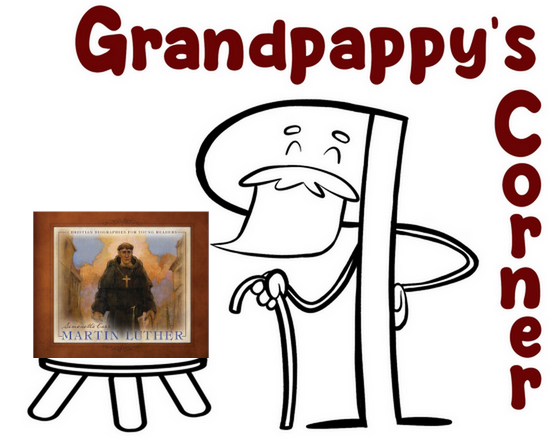
Grandpappy’s Corner: Martin Luther by Simonetta Carr, Troy Howell (Illustrator): A Brief and Compelling Look at the German Reformer’s Life

Yes, this is going to sound a lot like last week’s post about Patrick of Ireland—hard not to when you have a good, consistent writer∞you’re going to think similar things.


Grandpappy's Corner Logo with the Cover of Martin Luther by Simonetta Carr

Martin Luther

by Simonetta Carr, Troy Howell (Illustrator)

DETAILS:
Christian Biographies for Young Readers 
Publisher: Reformation Heritage Books
Publication Date: October 25, 2020
Format: Hardcover
Length: 63 pg.
Read Date: August 3, 2025

What’s Martin Luther About?

It’s all there in the title, simply put—it’s a biography of Martin Luther written for young readers.

Carr begins with Luther’s family and education, as well as his early career, before moving into his work as a Reformer. Recounting the tumultuous days of his earliest work and time in hiding before moving on to the slightly-less tumultuous times of success and raising his own family.

This is more detailed than the Patrick of Ireland book I discussed last week, both in describing the events of Luther’s life and his teachings. This is easily explained by the fact that we have many, many, many more documents about and by Luther than we do of Patrick (particularly contemporary to him).

By Luther Himself

Carr reproduces a little bit from Luther’s Small Catechism so the reader can hear from the man himself. This must’ve taken some effort to decide what to choose. Given the audience, this is probably the best—it’s Luther at his most basic, bringing the core of his teachings to the forefront.

As it should’ve—especially for older readers—it drove me to dip into the catechism as a whole. Naturally, it has its flaws (as Luther was 1. Human and 2. Not Reformed*), but that was an unexpected bonus from reading this work. Almost always a reward to re-read some Luther.

* That’s mostly a joke

Let’s Talk about the Art for a Minute

Howell’s art is warm and approachable. While not leaning into the whole “children’s book” feel of art, it really works that way. But his illustrations would be fine in a book for older readers, too (those that use colored illustrations, anyway). It did make me go check his website and add at least one book to my to-buy list.

The rest of the illustrations are photographs of European landmarks, reproductions of contemporary depictions of some of the major players in this story. It really reminds me of the kind of things that illustrate textbooks (for children or college students, and in-between). It solidifies the impression that this is a book for children to take seriously, and not just some fluffy bit of entertainment (see below).

How is it to Read Aloud?

It’s fine. It’s not really written to be read aloud—any more than any book for children of reading age and up are. There’s nothing wrong about the text for reading to someone else, but it’s not desiged for it like books for younger children are.

It’s a little dry for that, really—possibly dry for reading to yourself, too. Which is probably good considering the aims of the book.

So, what did I think about Martin Luther?

I really enjoyed and appreciated it. Carr had a lot of material to choose from when deciding what to write about, and tackled not only the typical “main items” but also addressed some of the murkier things in his life/writing as well. I was surprised, for example, that she touched upon his late-in-life anti-Jewish writings (and relieved/encouraged that she was so clear about the problems with that). I was also not expecting her to bring forth the controversies with Karlstadt, either.

There are nuances and details she had to leave out due to space and the maturity of her audience—but she does a good job in keeping the clear details clear and laying the groundwork for reading/learning as her readers grow.

Yes, it is a bit dry. It’s not a book written to talk down to a child, or even written to appeal through a gimmick. It takes the material seriously and expects the audience to, too—I’m pretty sure that’s the point. I found this a rewarding read, and I’m eager to introduce the grandcritters to it when they’re a little older, and would recommend it to any reader 7-12 (the target range), and even older.


3.5 Stars

Grandpappy Icon

Saturday Miscellany—8/9/25

Happy Book Lover’s Day, everyone!

Got a short list this week–I don’t know if I’m just missing posts (very likely), or if everyone’s got the August blahs (even liklier), or a societal collapse ennui (incredibly understandable)–but I did find a few things that I wanted to be sure to share.

Odds ‘n ends about books and reading that caught my eye this week. You’ve probably seen some/most/all of them, but just in case:
bullet Jane Austen was a satirist – why isn’t she treated like one?—This is a great question. Maybe if I’m prodded into re-reading her, I’ll focus on that part. (and it would take something like John Cena shouting in my ear while shoving the collected works into my chest to prod enough). Would love to read comments by Austen-appreciators about this piece
bullet What happens when Stephen King and Maurice Sendak join forces? Joe Hill has some thoughts.—I’ve had this book on my radar, and was already planning on actually purchasing a Stephen King book (something I haven’t done since the 90s!), but I enjoyed this video enough to save it for today. Also, Mina Moo Bozic’s comment should make you smile.
bullet “Reading,” a Poem by Emily Skillings

A Book-ish Related Podcast episode (or two) you might want to give a listen to:
bullet Fiction Fans The Great Gatsby by F. Scott Fitzgerald feat. Krystle Matar—”Your hosts are joined by Krystle Matar to discuss The Great Gatsby by F. Scott Fitzgerald. They wonder why no one talks about Gatsby being a crime lord, throw around wild F. Scott conspiracy theories, and rank the characters from least shitty to most shitty. (It’s all of them. They’re all the most shitty)” I haven’t had a chance to listen to this yet, but I’m looking forward to it, I just have to make the time. Although, “no one” talking about Gatsby being a crime lord is a bit of an exaggeration. It’s not terribly suprising that podcast hosts that focus on SF/F don’t read Crime Reads (or similar places) regularly, as shown in one example or two regularly.

To help talk about backlist titles (and just for fun), What Was I Talking About 10 Years Ago Week?
bullet Long Black Curl by Alex Bledsoe—One of the best Tufa novels (which is saying something)
bullet Thank You, Goodnight by Andy Abramowitz—another absolute banger of a novel
bullet Luckiest Girl Alive by Jessica Knoll
bullet I mentioned the release of a handful of books: Kitty Saves the World by Carrie Vaughn; Veiled by Benedict Jacka; Combat-Ready Kitchen: How the U.S. Military Shapes the Way You Eat by Anastacia Marx de Salcedo — This book looks great, but man…I tell you, I’m not sure I want to learn what she has to say.; School for Sidekicks by Kelly McCullough; Con Academy by Joe Schreiber; Whirligig by Magnus Macintyre; and A Better Way to Die: The Collected Short Stories by Paul Cornell

This Week’s New Releases that I’m Excited About and/or You’ll Probably See Here Soon:
bullet Bones & Betrayals: Silence of the Dead by by Andi Ewington/Erica Marks—a buddy PI novel in a fantasy world. Worked for me on several levels, it’s one of those books I’m telling everyone about—along the lines I did here
bullet Mississippi Blue 42 by Eli Cranor—this is a “series debut starring a rookie FBI agent who finds herself caught in the tangled web of a college football empire—and the bloody greed that fuels it.” I’m halfway through this now…and I’m vaguley annoyed I have to do anything else until I’m done.
bullet Automatic Noodle by Annalee Newitz—1. Fantastic cover. 2. “You don’t have to eat food to know the way to a city’s heart is through its stomach. So when a group of deactivated robots come back online in an abandoned ghost kitchen, they decide to make their own way doing what they know: making food—the tastiest hand-pulled noodles around—for the humans of San Francisco, who are recovering from a devastating war.” Then there’s some sort of pushback. Mike Finn argues against this being classified as “cozy” and makes me more interested than I already was.
bullet That Christmas and Other Stories by Richard Curtis (yes, that Richard Curtis), Rebecca Cobb (Illustrator)—I really enjoyed the movie based on these stories and was curious what they looked like in their original form–now I can (but I’ll probably wait until December to do more than skim it).

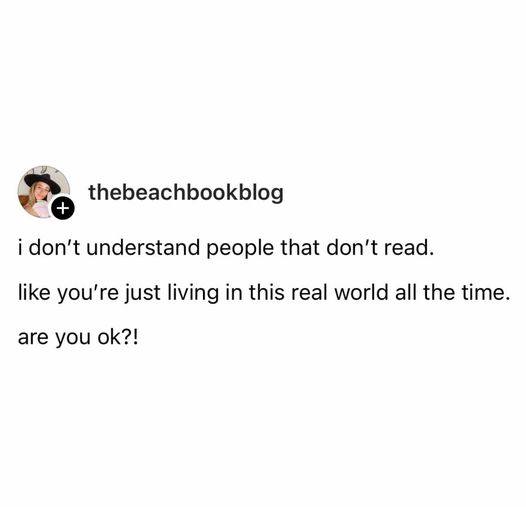
thebeachbookblog i don't undertand people that don't read. like you're just living in this real world all the time. are you ok?!

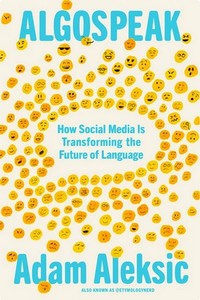
Algospeak by Adam Aleksic: A Simply Fascinating Look at Language’s Next Phases

I don’t know if my spellchecks have featured so many red-squiggly lines before (well, ones that I’m keeping anyway). You’d think they’d be closer to the cutting-edge, no?


Cover of Algospeak by Adam AleksicAlgospeak:
How Social Media Is Transforming the Future of Language

by Adam Aleksic

DETAILS:
Publisher: Knopf
Publication Date: July 15, 2025
Format: eARC
Length: 256
Read Date: July 12-22, 2025
Buy from Bookshop.org Support Indie Bookstores

What’s Algospeak About?

I can’t do a decent job of summarizing this (I’ve tried), so I’m just going to paste the Publisher’s Description.

From “brainrot” memes and incel slang to the trend of adding “-core” to different influencer aesthetics, the internet has ushered in an unprecedented linguistic upheaval. We’re entering an entirely new era of etymology, heralded by the invisible forces driving social media algorithms. Thankfully, Algospeak is here to explain. As a professional linguist, Adam Aleksic understands the gravity of language and the way we use it: he knows the ways it has morphed and changed, how it reflects society, and how, in its everyday usage, we carry centuries of human history on our tongues. As a social media influencer, Aleksic is also intimately familiar with the internet’s reach and how social media impacts the way we engage with one another. New slang emerges and goes viral overnight. Accents are shaped or erased on YouTube. Grammatical rules, loopholes, and patterns surface and transform language as we know it. Our interactions, social norms, and habits—both online and in person—shift into something completely different.

As Aleksic uses original surveys, data, and internet archival research to usher us through this new linguistic landscape, he also illuminates how communication is changing in both familiar and unexpected ways. From our use of emojis to sentence structure to the ways younger generations talk about sex and death (see unalive in English and desvivirse in Spanish), we are in a brand-new world, one shaped by algorithms and technology. Algospeak is an energetic, astonishing journey into language, the internet, and what this intersection means for all of us.

The Best Parts for Me

After the Introduction sets up the book and the reason for it—Aleksic traces the use of language to get around censorship back quite a ways—at least back to the use of grawlix and the like.

He also talks about things like rhyming cockney or leetspeak, how both use a sense of play to get around censorship or monitoring—as such, they’re precursors to Algospeak. Which is really just another form of slang that spreads just like all other forms of slang before it—through people talking to one another in person or through the media. That just happens on a faster and larger scale now than it used to.

What I found really compelling was the way he demonstrated the two primary sources for dominant Algospeak—4chan’s (and the like) channels and memes, and African-American English. It almost seems impossible for those two sources could produce something together, but Aleksic makes a compelling case for it.

The last chapter in total is worth the price of admission—but subsections discussing the “purity” of language that’s being shaken by these developments, and the new kinds of dialects emerging, etc., are just gold. It’s the kind of thing that I’ll return to again.

Not Sure this Really Helped

Starting in Chapter 3, “No Because What Happened to Your Attention?”, Aleksic spends a good deal of time in several chapters discussing the nitty-gritty aspects of getting TikTok’s/YouTube Shorts’/Instagram Reels’ algorithms to feed individual users certain types of short-form videos, and how creators work to get their videos to be fed to the largest amount of likely engagers. He discusses how word choice, speed of speech, how long it takes for a voice to start, camera movements, etc., etc. all play a role in this.

Yes, he does end up applying this to “How Social Media Is Transforming the Future of Language,” in each chapter. But it often seemed more like he was giving tips on how his readers could be better at getting attention for their own short-form videos/accounts (often using himself as a case study) than in discussing linguistic evolution. I was wrong each time I started to wonder about that. Nevertheless, I did.

That said…I found it great reading and more interesting than I might have just described it. There’s just so much of this that I’ve never thought about—or even realized I could think about. For someone who cut his teeth on Windows 3.11, 28.8k modems, and Usenet forums, I find a lot of this mind-boggling (and kind of cool, even if it does make me feel positively paleolithic).

So, what did I think about Algospeak?

A couple of years ago, my daughter got me hooked on the Instagram account of @etymologynerd, and his rapid-fire insightful (and fun) glances at word origins so on. So when I saw that he’d gone analog and produced a book, I just had to check it out (the book’s description helped, too). And I’m so glad I picked this up—and think you will be, too.

It’s because of this book that I publicly defended the use of “unalive” as a verb the other day. I can honestly say that I’d never expected that to happen. That right there is probably a huge endorsement for the book, I’m not sure what else I can say to match that for this stodgy stick-in-the-mud who still isn’t sure about using “contact” as a verb.

I found this whole discussion fascinating—sure, the bits about various speeds of talking depending on the type of influencer you are seem odd and too technical for me—but when Aleksic shows how this spills over into not just wider online speech, but into offline language use, it becomes worth it.

More than that, the chapters that are primarily focused on language development and how online use is shaping that (whether in text or video format), it’s like popcorn—I’ll shove handful after handful of that into my mouth without noticing that’s what I’m doing.

It’s entertainingly written, too. Aleksic’s passion for this kind of discussion comes through loud and clear. It’s not nearly as infectious as his videos are, but it’s close (of course, he can’t tweak the pace, volume, or anything else about the way that I read the way he can with his videos—so it makes sense). I do wonder how this would come across in audiobook—but I think you’re going to want the print version to slow down over some of the math.

This is about more than language—it’s also about how the Internet changes the way we think and express ourselves in general. And therefore, how society changes (which leads to Internet changes, and other circle-of-life things).

If you’re on the fence—read the Introduction and the closing chapter—and you’ll likely be convinced that you should read everything in between. Language in general—but English particularly—is a constantly-changing thing, and these changes are happening faster and faster l the time. With the tools provided in Algospeak, you can start to see some of this change in realtime—and that’s a gift in itself.

Language nerds—go get this. Other readers might want to check it out—and get started on becoming a language nerd.

Disclaimer: I received a copy of this book from Knopf via NetGalley—thanks to both for this. Sorry it’s up late.


4 Stars

This post contains an affiliate link. If you purchase from it, I will get a small commission at no additional cost to you. As always, the opinions expressed are my own.

Irresponsible Reader Pilcrow Icon

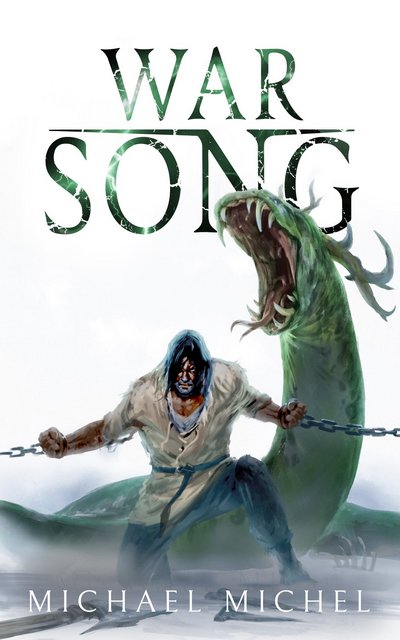
PUB DAY SPOTLIGHT: War Song by Michael Michel

I’m excited to help Michael Michel spread the word about today’s publication of the relaunched prequel novella in his Dreams of Dust and Steel series, War Song. A sequel novella is due in a couple of months, and what better way to tide yourself over until Book Three than by reading a couple of novellas that help introduce the world?

Book Details:

Title: A Graveyard for Heroes by Michael Michel
Series: Dreams of Dust and Steel, #0
Format: eBook
Length: 103 pg.
Publisher: Chainbreaker Books
US Publication Date: August 7, 2025
Cover of War Song by Michael Michel

About the Book:

Admar’s future is a path paved with broken glass.

Each step forward living under Scothean tyranny cuts away another piece of his humanity–right down to the bone.

But even a meager life as a miner is better than a pointless death. A sister, a mother, a lover, all lost at the uncaring hands of the Scoths, have left him with nothing but memories and ash for comfort. While stories like his are all too common, they still aren’t enough to stoke rebellion among the oppressed.

If Admar is to find hope amid the brutal occupation of his homeland, he’ll have to question how deep his convictions go. For with every crack of the enemy’s whip, he’ll know torment. With every swipe of their axes, he’ll know suffering. And every moment he refuses to act will drag him further from his destiny.

Maybe there are no more heroes left…

Or maybe they’re waiting to be made.


Book Links:

Amazon

About the Author

Michael MichelMichael Michel lives in Bend, Oregon with the love of his life and their two children. When he isn’t obsessively writing, editing, or doing publishing work, he can be found exercising, coaching leaders in the corporate world, and dancing his butt off at amazing festivals like Burning Man. His favorite shows are Dark, The Wire, Arcane, and Norsemen. He loves nature and deep conversations. Few things bring him more joy than a couple of hours playing table tennis.

Website ~ Twitter ~ Instagram ~ Goodreads

2025 WWW Wednesday—August 6, 2025

WWW Wednesdays Logo

This meme was formerly hosted by MizB at A Daily Rhythm and revived on Taking on a World of Words—and shown to me by Aurore-Anne-Chehoke at Diary-of-a-black-city-girl.

The Three Ws are:
What are you currently reading?
What did you recently finish reading?
What do you think you’ll read next?

Seems easy enough, right? Let’s take a peek at this week’s answers:

What are you currently reading?

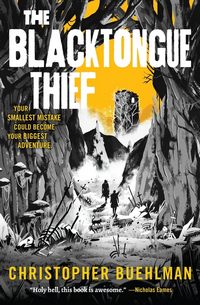
Cover of The Blacktongue Thief by Christopher Buehlman Cover of The Blacktongue Thief by Christopher Buehlman
The Blacktongue Thief
by Christopher Buehlman
The Blacktongue Thief
by Christopher Buehlman

For the sake of time, I’m trying something different and jumping back and forth between audio and paperback. I don’t know that it’s something I’ll do in the future, but it’s working pretty well. Doesn’t hurt that this is such a great read.

What did you recently finish reading?

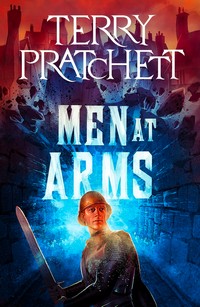
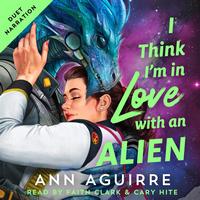
Cover of Men at Arms by Terry Pratchett Cover of I Think I'm in Love with an Alien by Ann Aguirre
Men at Arms
by Terry Pratchett
I Think I’m in Love with an Alien
by Ann Aguirre, read by Faith Clark & Cary Hite

I can’t believe I was ever a doubter in Pratchett. Men at Arms was a great read.

I Think I’m in Love with an Alien is very much an odd choice for me, but I’ve enjoyed Aguirre in the past (in different genres) and I thought the premise was cute. The execution was, too. Very cute, very fun, spicier than I prefer–but the result was heartwarming.

What do you think you’ll read next?

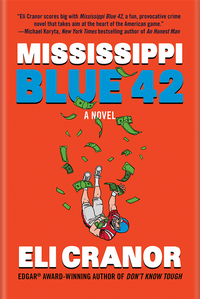
Cover of Mississippi Blue 42 by Eli Cranor Cover of This Dog Will Change Your Life by Elias Weiss Friedman
Mississippi Blue 42
by Eli Cranor
This Dog Will Change Your Life
by Elias Weiss Friedman

Cranor kicks off a series with this book, which is one of the 2025 releases I’ve been most looking forward to.

Title alone sells Friedman’s book for me. The thesis sounds pretty good, too.

Who’s read any of these? You reading anything good?

DNFd—The Savage, Noble Death of Babs Dionne (Audiobook) by Ron Currie, read by Lisa Flanagan: Stopped by a Prologue

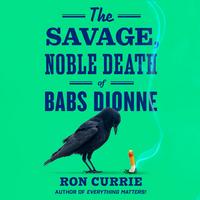
Cover of The Savage, Noble Death of Babs Dionne by Ron CurrieThe Savage, Noble Death of Babs Dionne

by Ron Currie, read by NAME

DETAILS:
Publisher: Penguin Random House Audio Publishing Group
Publication Date: March 25, 2025
Format: Unabridged Audiobook
Length: 10 hrs., 37 min.

What Does the Publisher Say about The Savage, Noble Death of Babs Dionne?

A mythic, propulsive novel about the tangled fates of a matriarchal crime family in Maine.

Your ancestors breathe through you. Sometimes, they call for vengeance.

Babs Dionne, proud Franco-American, doting grandmother, and vicious crime matriarch, rules her small town of Waterville, Maine, with an iron fist. She controls the flow of drugs into Little Canada with the help of her loyal lieutenants, girlfriends since they were teenagers, and her eldest daughter, Lori, a Marine vet struggling with addiction.

When a drug kingpin discovers that his numbers are down in the upper northeast, he sends a malevolent force, known only as The Man, to investigate. At the same time, Babs’s youngest daughter, Sis, has gone missing, which doesn’t seem at all like a coincidence. In twenty-four hours, Sis will be found dead, and the whole town will seek shelter from Babs’s wrath.

The Savage, Noble Death of Babs Dionne is a crime saga like no other, with a ferocious matriarch at its bruised, beating heart. With sharp wit and profound empathy, award-winning author Ron Currie, delivers an unforgettable novel exploring love, retribution, and the ancestral roots that both nurture and trap us.

A Word about the Narration

My problem with the book had nothing to do with Lisa Flanagan. Her narration wasn’t enough to keep me invested, but I had no problems with what she did.

If anything, the way she slipped back and forth into the occasional French word/phrase was rather adroit and smoother than similar transitions that I’ve heard.

So, Why Did I DNF The Savage, Noble Death of Babs Dionne?

It’s pretty clear that this is a “literary” novel that has to do with a crime family, and not a crime novel that’s so good that it transcends the genre and can be called literary. (let the reader understand that I say these things while holding my nose, rejecting these distinctions, but it does give a pretty good feel for the book.)

I’m not opposed to the former books at all, but as a whole, they don’t grab me the way the latter do. And that’s part of the problem here–also, there was another library hold that became available the same day that appealed to me more–that didn’t help when my attention was wavering. But neither of those is enough to make me DNF it.

But the first 49 +/- minutes of this book (roughly 8%) was the prologue. Again, that’s not a deal breaker for me–it just felt like a slog. Why? Partially, it was a bunch of history about no one we were really given a reason to care about until nearly the end of it.

You couple that with the Prologue being in the second person and it’s just too much. I have a low 2nd-person tolerance. Something in the Second has to be compelling as all get-out and probably brief. I listened to just enough of the first chapter to be pretty sure that it was in the 3rd-person, but by that point, I was just turned off.

I may return to it sometime–now that I know what I’m getting in for, my expectations will be in the right place. But between timing, the long prologue, and an interest-killing 2nd person prologue…it just didn’t work for me–no matter how fine-and-possibly-good the narration was.

Irresponsible Reader Pilcrow Icon

Page 32 of 603

Powered by WordPress & Theme by Anders Norén