Author: HCNewton Page 57 of 603

WWW Wednesday—February 12, 2025

It’s the 43rd day of the year, also known as February 12. And you know if I’m resorting to counting the days, I don’t have a lot to say by way of introduction. So let’s just get on with it.

WWW Wednesdays Logo

This meme was formerly hosted by MizB at A Daily Rhythm and revived on Taking on a World of Words—and shown to me by Aurore-Anne-Chehoke at Diary-of-a-black-city-girl.

The Three Ws are:
What are you currently reading?
What did you recently finish reading?
What do you think you’ll read next?

Seems easy enough, right? Let’s take a peek at this week’s answers:

What are you currently reading?

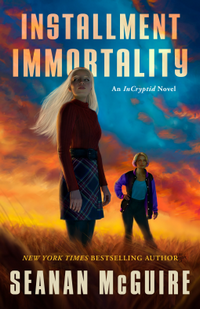
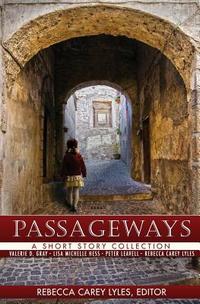
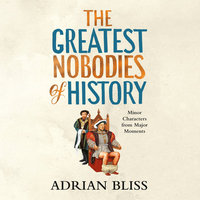
Cover of Installment Immortality by Seanan McGuire Cover of Passageways by Rebecca Carey Lyles Cover of The Greatest Nobodies of History by Adrian Bliss
Installment Immortality
by Seanan McGuire
Passageways
by Rebecca Carey Lyles, Editor
The Greatest Nobodies of History: Minor Characters from Major Moments
by Adrian Bliss

I just started the ARC for the upcoming InCryptid novel from McGuire, and am eager to see what kind of mess was left after the last book.

1.5 years after I was given this short story collection by Becky Lyles, I’m done putting it off.

This book by Bliss is an interesting mix of humor and history (heavy on the former, but informed by the latter). Love the concept, if nothing else.

What did you recently finish reading?

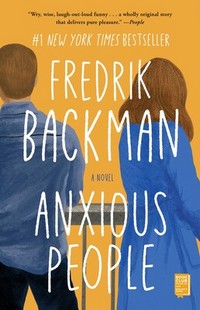
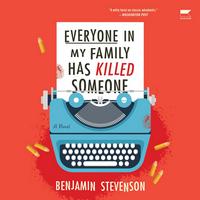
Cover of Anxious People by Fredrik Backman Cover of Everyone in My Family Has Killed Someone by Benjamin Stevenson
Anxious People
by Fredrik Backman
Everyone in My Family Has Killed Someone
by Benjamin Stevenson, read by Barton Welch

Backman’s Anxious People was hilarious, touching, sobering, heart-warming, and wise.

I appreciated going through Stevenson’s book again, I was able to better appreciate the structure, the way he set everything up, and so on without being distracted by all the twists, turns, and reveals.

What do you think you’ll read next?

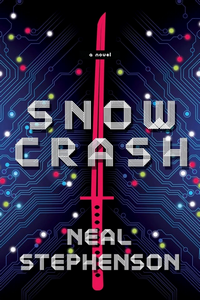
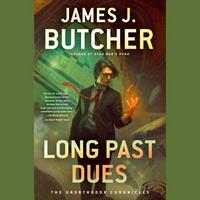
Cover of Snow Crash by Neal Stephenson Cover of Long Past Dues by James J. Butcher
Snow Crash
by Neal Stephenson
Long Past Dues
by James J. Butcher, read by James Patrick Cronin

Snow Crash is the selection for the SciFi Book Club this month–somehow, I’ve yet to make it past the first third of the book in the decades I’ve spent trying, as much as I’ve enjoyed that third. That streak ends soon.

I remember being thrown by the way Butcher’s second novel ended. It’ll be good to revisit this and to see how he laid the groundwork for it.

Do you have a date with a book for St. Valentine’s Day, or are you going for something more conventional?

Book Blogger Hop: How Do You Read Book Series?


Book Blogger Hop


This prompt was submitted by Idea-ist @ Get Lost in Literature:

Do you prefer to read series one book after another, or can you read other books in between?

Once upon a time, I used to binge-read series. One after another after another like Lays potato chips. But I don’t let myself do that anymore–there are two reasons for this,

  1. I kept losing track of which novel was which, they just ran together into one huge book. Which doesn’t sound all that bad, but it took away from appreciating each novel as its own thing. (some TV critics have said the same thing about releasing/watching an entire season of a show at once instead of the week-by-week approach).
  2. Burnout. Part of this is spill-over from the one-giant novel effect. But really, just too much of a series voice at once just cuts the effectiveness of it.

If we’re talking series with several volumes released, I typically like to do one book a month or so. Enough time to soak in the details, ruminate on each book (hopefully write a post on it), and then get into the next book.

Huh. I thought I had more to say on this than that.

What about you, are you a binger or do you stretch things out?

Opening Lines: The Greatest Nobodies of History by Adrian Bliss

Head & Shoulders used to tell us that, “You never get a second chance to make a first impression.” That’s true for wearing dark shirts, and it’s especially true for books. Sometimes the characters will hook the reader, sometimes the premise, sometimes it’s just knowing the author—but nothing beats a great opening for getting a reader to commit.

I think it was Julius Caesar’s barber who once said, “Everyone remembers the heroes, but it is the nobodies who make history,” which was just so like him. He was right, of course. If Genghis Khan’s childhood nanny had been a touch more attentive, and if Alexander the Great’s friends hadn’t suggested a group trip to Persia, everything would’ve been different. Neither you nor I would be here and this book would never have been published. Thankfully, in this timeline, everyone did their bit, from Michelangelo’s marble dealer to Cleopatra’s hairstylist and as such, we are all here, and so is this book.

from The Greatest Nobodies of History: Minor Characters from Major Moments By Adrian Bliss
Cover of The Greatest Nobodies of History by Adrian Bliss

Opening Lines Logo

MUSIC MONDAY: “Crunchy Granola Suite” by Neil Diamond

The Irresponsible Reader's Music Monday logo

Music Monday's originated at The Tattooed Book Geek's fantastic blog and has shown up hither, thither, and yon since then.

I love this bit from the Wikipedia page about the song:

David Wild in his book He Is– I Say: How I Learned to Stop Worrying and Love Neil Diamond, said, “he managed to write the coolest song ever written about granola or any other breakfast food made of rolled oats, nuts and honey”.

(and you know I’m hunting for that book as soon as I hit “Schedule” on this post)

” width=”560″ height=”315″ frameborder=”0″ allowfullscreen=”allowfullscreen”>

Irresponsible Reader Pilcrow Icon

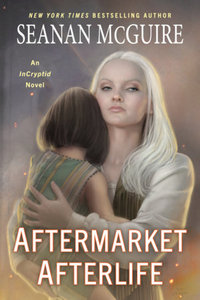
Aftermarket Afterlife by Seanan McGuire: Things Get Serious

This is long-overdue. But half of what I do in these posts is figure out what I think of a book—and since about 30 minutes after finishing this book, I’ve known what I had to say (although I’m pretty sure I had the title in mind since I was about 1/3 of the way in, which is a shame, because “Adventures in Babysitting” is right there). Knowing exactly what I want to say makes writing a post hard, there’s no discovery for me. But, I’ve got an ARC for the next book waiting for me, so I had to get serious about things and get this out of my head so I can dive into it.


Cover of Aftermarket Afterlife by Seanan McGuireAftermarket Afterlife

by Seanan McGuire

DETAILS:
Series: InCryptid, #13
Publisher: Daw Books
Publication Date: March 5, 2024
Format: Trade Paperback
Length: 299 pg.
Read Date: March 21-27, 2024

Buy from Bookshop.org Support Indie Bookstores

What’s Aftermarket Afterlife About?

Just before I started writing this (or started again…this is something like the 15th attempt since March of last year), I took a glance at what I wrote about Backpacking Through Bedlam. This was either a mistake because I said everything there that I was about to say to start this post and now I have to come up with something new. Or it was smart because now I can cut out a lot of things and point you to that instead.

I’m lazy enough to lean toward “mistake.” But let’s see what I can do instead.

Lest we think that the Covenant of St. George in general and Leonard Cunningham in particular have just been twiddling their thumbs while we’ve been focused on Annie’s adventures (although we see some of Leonard there) or the end of Alice’s quest, we learn very quickly that they’ve been active. They’ve been gathering intelligence and plotting. The result is a shock-and-awe campaign that takes the family and their cryptid (and human) friends and allies unaware—and results in several injuries, deaths, and loss of property. Probably more damage, too.

But before we can get to that, Thomas and Alice (and Sally) arrive at the Portland-area compound for a reunion/(re)introduction. This goes so incredibly poorly that the reader will initially be relieved by the attacks because you foolishly think that means things are going to get more entertaining.

All this results in Mary, of all people, coming up with a plan to take the action to the front door of the Covenant.

Luck Runs Out

I’m not sure that I noticed it during my initial reads of the series—but in the last couple of books, as I listen to them on audio, I keep hearing about the strange luck the family has. And honestly, even if I hadn’t used the word luck—it’s hard not to think that. Verity and her friends/family/loved ones (same for her brother and sister and their friends/loved ones) largely escape the novels unscathed.

The thing about luck is…it runs out. This can be seen in the way that Sarah’s rescue of Artie at the end of Calculated Risks isn’t as successful as we might have thought at the time. And for another telling piece of evidence is pretty much this entire novel.

Choice of Mary

I was initially surprised to see Mary the family’s babysitting ghost as our POV character for this one. I expected another of the Price kids to get the slot (it’s been too long since we spent real time with Alex, for example). But I wasn’t going to complain—if only because it was nice to see her backstory.

In retrospect, there was no other choice. The reader (and McGuire) needed someone who could rapidly move between the various parts of the country to see everything going on and to take part in the action in some (not all) of the places the Covenant was acting. Thanks to her being the major actor, we get a little more insight into what happened to the animus mundi following Annie’s defeat of the Crossroads.

There are a couple of other things that only Mary could contribute to this story, but I can’t talk about those. So, as I expected but didn’t see going in, McGuire didn’t have a choice in POV character. It just had to be her.

Hail The Aeslin Mice

It’s really hard not to feel bad for these guys (when they’re not making you smile) throughout the series. This is probably the hardest novel to get through because of what happens to them. Their losses—different from the losses the family takes, and almost worse—are so hard to watch. Ditto for the family talking about them.

What’s even worse is the note that the race as a whole likely doesn’t have many more generations left. I’m sorry…I’m just not okay with that. I hope/trust that we’re going to find out how wrong those predictions are.

So, what did I think about Aftermarket Afterlife?

When I put this down I said something—I don’t remember what—but my daughter seemed shocked at my reaction. I was stunned, I didn’t expect most of what I spent the last hour or so reading (or the hours previous to it) and I guess that came out forcefully. And I’m still in that frame of mind almost 11 months later. I’m stunned by what McGuire did here.

The InCryptid books have always been (in my mind) the lighter of McGuire’s series—Toby’s for drama and excitement, the Wayward Children are to fill you with whimsy and heartbreak, and Verity/Alex/Annie et al are for some goofy action and strange critters.

I should know McGuire better than that. She’s never going to just let something be light entertainment. Still, I wasn’t prepared for this escalation. I should’ve been. The signs have been there since the end of Chaos Choreography. I’m not going to get into all the ways she gut-punches the readers here. But there are several. Some small, some huge, some of indeterminate size as of this time.

Still, McGuire deals with the various personalities, histories, abilities, interests, and everything else like a master. The writing is quirky as it needs to be without taking away from the drama or heartbreak. Mary is a great character and it’s good to see her come into her own, and we see a lot from other family members that we haven’t spent enough time with, too—ll while catching up with old friends. This is McGuire at peak performance.

Installment Immortality is due soon, and I have no idea what to expect from it—nor from the series going forward. But it’s going to be a very different kind of entity than we’ve seen before. I can’t wait for it.


4 1/2 Stars

This post contains an affiliate link. If you purchase from it, I will get a small commission at no additional cost to you. As always, the opinions expressed are my own.

Irresponsible Reader Pilcrow Icon

Saturday Miscellany—2/8/25

Odds ‘n ends about books and reading that caught my eye this week. You’ve probably seen some/most/all of them, but just in case:
bullet US Authors Guild to certify books from ‘human intellect’ rather than AI—Good idea. Sad that it’s necessary, but glad to see it. Click here to see the Guild’s site.
bullet
Book publishers, authors, Donnelly Public Library sue Idaho officials over library materials law—’tis a stupid law, and I wish this suit success.
bullet Local bookstores, dealt another blow by L.A. fires, become ‘community touchstones’
bullet Children’s Editors on the Worst Places They Were Ever Pitched—at least one of these will make you snicker
bullet My First Thriller: Lee Goldberg—a good look at Goldberg’s roots
bullet A Literary Crossword for Book People—a little fun for the day
bullet Domestication Interview with Author Shannon Knight—looking forward to watching this
bullet I must be in a certain frame of mind this morning, here’s another quick grin-inducer from @writesofnovember (November J. Brown) on Threads
bullet Will 2025 Be the Return of the Classic?—one might be tempted to ask where they went, but I know I shouldn’t.

To help talk about backlist titles (and just for fun), What Was I Talking About 10 Years Ago Week?
Nothing, really. It was a very slow month for me on the blog-front. I believe there was a lot of traveling, preparation for traveling, and recovering from traveling going on. However,
bullet I did post a Saturday Miscellany, and noted the release of Funny Girl by Nick Hornby; The Way Into Darkness by Harry Connolly; and Covenant’s End by Ari Marmelltitle.

This Week’s New Releases that I’m Excited About and/or You’ll Probably See Here Soon:
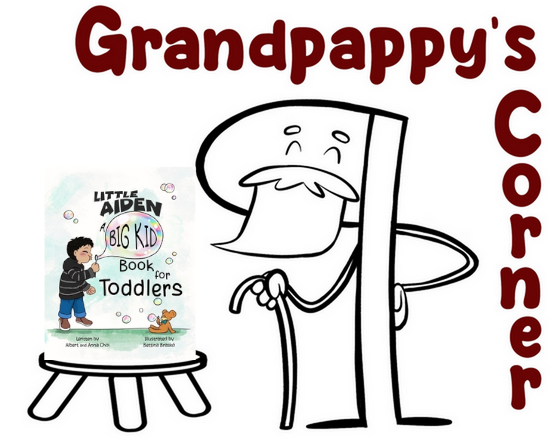
bullet Little Aiden: A Big Kid Book for Toddlers by Albert and Anna Choi, Bettina Braskó (Illustrator)—A cute book for toddlers that happens to be free until midnight PST. Grandpappy’s Corner featured it yesterday.
bullet Food for Thought: Essays and Ruminations by Alton Brown—Brown “shares exactly what’s on his mind, mixing compelling anecdotes from his personal and professional life with in-depth observations on the culinary world, film, personal style, defining meals of his lifetime, and much more.” You pretty much have to get this in audio, right? You’re going to hear his voice in your head when you read it anyway, cut out the middle-man (i.e., your brain) to make it easier.
bullet Dead in the Frame by Stephen Spotswood—after the cliff-hanger Spotswood left us on, I have no need to read a blurb. I just need resolution!
bullet The Complete Critical Companion to Better Call Saul by Alan Sepinwall—Sepinwall’s book on Breaking Bad was fantastic. Surely this will be the same.

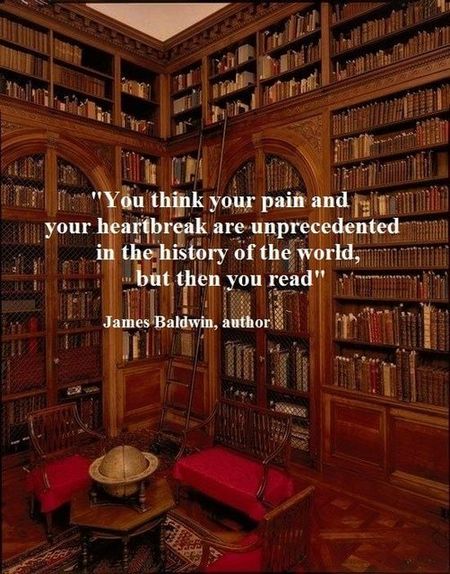
An old-looking, multistory set of packed bookshelves with a quotation superimposed. 'You think your pain and your heartbreak are unprecedented in the history of the world, but then you read.' James Baldwin, author

Week 1 Check-in: I’m Reading Every Day in February for the American Cancer Society

Read Every Day in February for the American Cancer Society
No one is a fan of cancer. I daresay there’s no one ambivalent toward it.* We’ve all had our lives, the lives of family, friends, acquaintances, coworkers, and even pets devastated by it in one form or another. Fighting cancer, researching better ways to fight it, preventing it–all are laudatory ends. So, I participated in this fundraiser last year on a lark—I’m pretty much going to read every day anyway–let’s see if I can earn some money for a good cause, right?

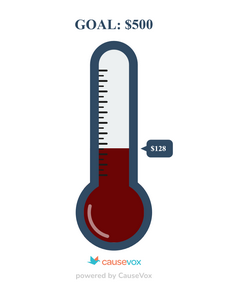
Fundraiser Thermometer showing $128 of $500 raisedBut this year, it’s personal. Last year, four people in my family dealt with cancer in some significant ways. Three of us seem to have dealt with it successfully—we’re not unscathed, but aside from follow-up tests, we’re pretty much done with it. One member of the family is undergoing treatment now, and we all have high hopes, although the road is a bit bumpy. So it’s not a lark this time, and I’m going to talk more about it than I did last year. (I probably should’ve taken it more seriously last year, but it’s too late to do something about that now).

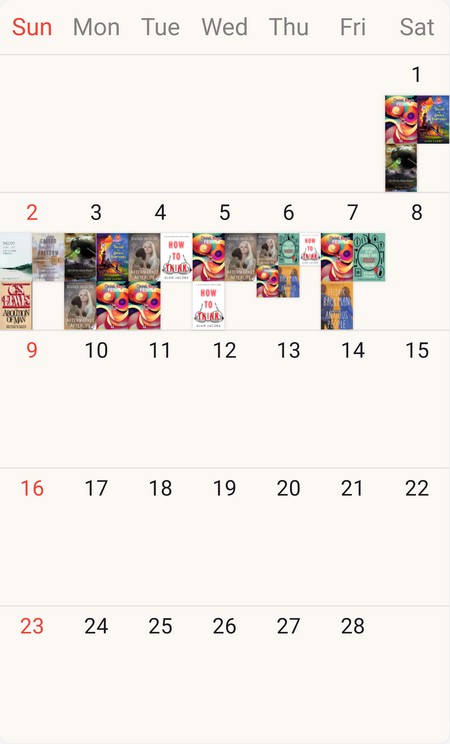
So please, friends and readers, Donate. Every little bit helps. So, please, chip in. And watch this space as I fill in this calendar (and hopefully, the thermometer). Week One has brought a couple of more donors, making good progress at the goal. I’ve also chatted with some others who are planning to donate–which warms the cockles of my heart. Thanks for the support!!

I’ve heard there are some glitches, and it seems like a particular social network is being invasive while trying to pay. If you want to help and don’t want to deal with that, send me a message and we’ll work something out!

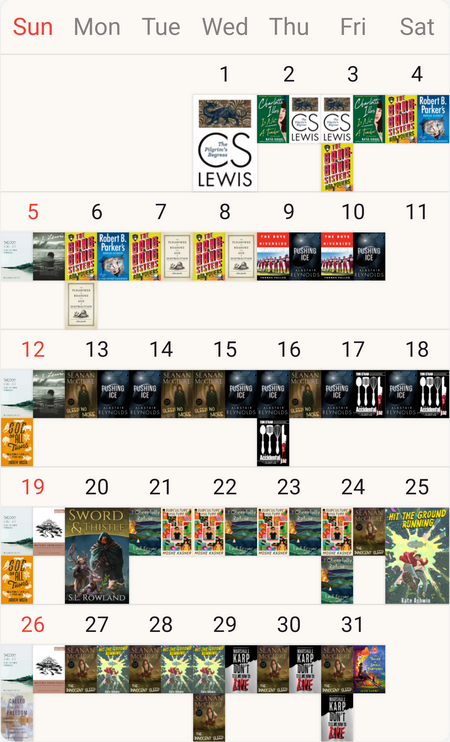
Here’s a quick glance at my month’s reading to date.

Week 1 February Calendar

* As soon as I typed that, I could imagine someone objecting to that characterization. But I’m going to pretend to have faith in humanity and keep the sentence.

January 2025 in Retrospect: What I Read/Listened to/Wrote About

This is a little late, but I did manage to get it I read 19 titles (the same as last month, 2 more than last January), with an equivalent of 5,308 pages or the equivalent (4,061 down from last month), and gave them an average of 3.8 stars (.1 down from last month).

I’m not crazy about all the things I meant to post and didn’t–but I’m pretty happy with what I managed to post. I’m not going to go deeper than that. Doing anything but doomscroll lately seems like a victory, really.

Anyway, here’s what happened here in January.
Books/Novels/Novellas Read/Listened to

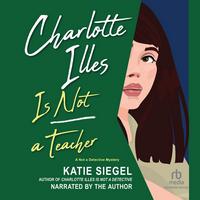
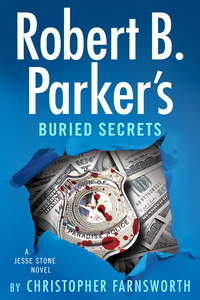
Cover of The Pilgrim's Regress by C.S. Lewis Cover of Charlotte Illes Is Not a Teacher by Katie Siegel Cover of Robert B. Parker's Buried Secrets by Christopher Farnsworth
3 Stars 3 Stars 4 1/2 Stars
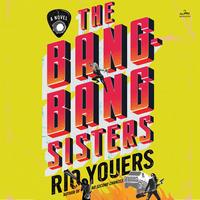
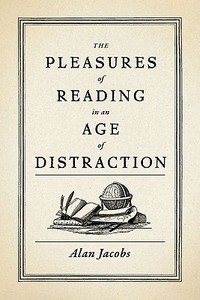
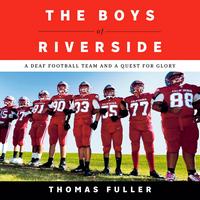
Cover of The Bang-Bang Sisters by Rio Youers Cover of The Pleasures of Reading in an Age of Distraction by Alan Jacobs Cover of The Boys of Riverside by homas Fuller
5 Stars 5 Stars 3.5 Stars
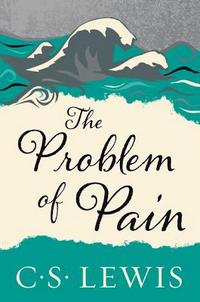
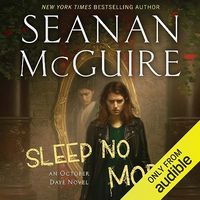
Cover of The Problem of Pain by C.S. Lewis Cover of Sleep No More by Seanan McGuire Cover of Pushing Ice by Alastair Reynolds
3 Stars 4 Stars 4 1/2 Stars
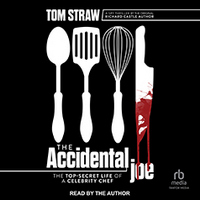
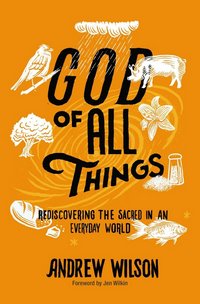
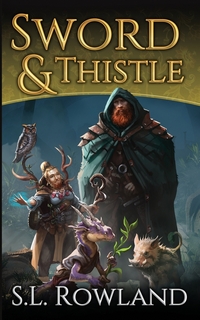
Cover of The Accidental Joe by Tom Straw Cover of God of All Things by Andrew Wilson Cover of Sword & Thistle by S.L. Rowland
4 Stars 3 Stars 3.5 Stars
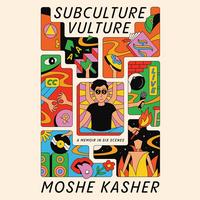
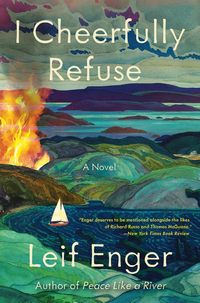
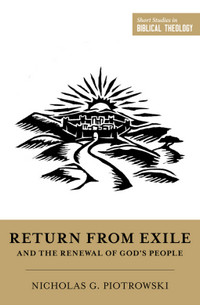
Cover of Subculture Vulture by Moshe Kasher Cover of I Cheerfully Refuse by Leif Enger Cover of Return from Exile and the Renewal of God's People by Nicholas G. Piotrowski
4 Stars 4 Stars 4 Stars
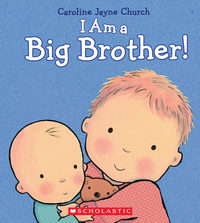
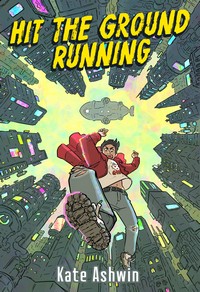
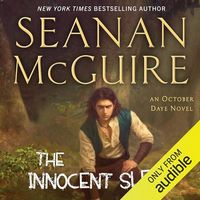
Grandpappy's Corner Logo with the Cover of I Am a Big Brother by Caroline Jayne Church Cover of Hit The Ground Running by Kate Ashwin Cover of The Innocent Sleep by Seanan McGuire
3 Stars 3.5 Stars 4 Stars
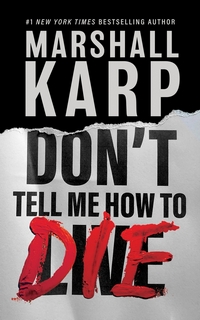
Cover of Don't Tell Me How to Die by Marshall Karp
4 1/2 Stars

Still Reading

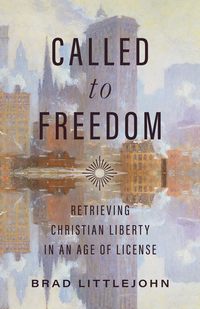
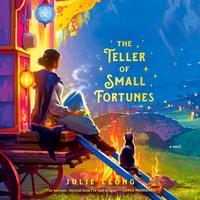
Cover of Wisdom for Life by Michael P. V. Barrett Cover of Called to Freedom by Brad Littlejohn Cover of The Teller of Small Fortunes by Julie Leong

Ratings

5 Stars 2 2 1/2 Stars 0
4 1/2 Stars 3 2 Stars 0
4 Stars 6 1 1/2 Stars 0
3.5 Stars 3 1 Star 0
3 Stars 5
Average = 3.8

TBR Stacks/Piles/Heaps

Audio E-book Physical Goodreads
Want-to-Read
NetGalley
Shelf/ARCs/Review Copies
End of
2024
3 68 78 167 10
1st of the
Month
3 68 78 167 10
Added 3 1 7 1 3
Read/
Listened
2 1 5 0 4
Current Total 4 68 80 168 9

Breakdowns:
“Traditionally” Published: 17
Self-/Independent Published: 2 (wince!)

Genre This Month Year to Date
Children’s 1 (5%) 1 (5%)
Fantasy 2 (11%) 2 (11%)
General Fiction/ Literature 1 (5%) 1 (5%)
Mystery/ Suspense/ Thriller 5 (26%) 5 (26%)
Non-Fiction 3 (16%) 3 (16%)
Science Fiction 2 (11%) 2 (11%)
Theology/ Christian Living 3 (16%) 3 (16%)
Urban Fantasy 2 (11%) 2 (11%)
“Other” (Horror/ Humor/ Steampunk/ Western) 0 (0%) 0 (0%)

Review-ish Things Posted

Other Things I Wrote
Other than the Saturday Miscellanies (4th, 11th, 18th, and 25th), I also wrote:

Enough about me—how Was Your Month?


January Calendar

Grandpappy’s Corner: Little Aiden: A Big Kid Book for Toddlers by Albert and Anna Choi, Bettina Braskó (Illustrator): Aiden’s a “Big Kid” Now (well, bigger)

A quick note before I dive in—from 2/6-2/8 (11:59 PST), this book is available for free for Kindle. Now’s as good a time as any to pick it up!


Grandpappy's Corner Logo with the Cover of Little Aiden: A Big Kid Book for Toddlers by Albert and Anna Choi, Bettina Braskó

Little Aiden: A Big Kid Book for Toddlers

by Albert and Anna Choi, Bettina Braskó (Illustrator)

DETAILS:
Series: Little Aiden 
Publisher: Mytogo Publishing
Publication Date: January 7, 2025
Format: eBook
Length: 45 pg.
Read Date: January 6, 2025

What’s Little Aiden About?

Aiden’s grown up a bit since we last saw him, and he’s working out how to be independent. Sometimes with great results, sometimes with unfortunate ones (and some of those are cute from the perspective of the reader, while frustrating for the Chois in the moment, I’m sure).

There’s a lot for the young reader/read-to person to identify with—perhaps a mildly mischievous inspiration, too (not that most toddlers need it).

Let’s Talk about the Art for a Minute

Braskó’s work is the star of the show. Particularly in the depiction of Aiden’s Teddy. I don’t know if that’s all Braskó or if the Chois give direction for Teddy—even if they split credit for it, it’s Braskó’s execution that sells it. I think that Teddy’s background antics are going to be the main appeal of this book/series (aside from the all-important bonding with the young reader/read-to).

As for the main action? Aiden’s as cute as you want, the illustrations are bright and whimsical—the affection between the family is clear. I have a pretty good idea what this little moppet is like from this book alone.

How is it to Read Aloud?

It’s full of short, declarative sentences. No flair, no goofy words or rhymes—it’s a piece of cake on that front. I think the text serves well as a launching pad for discussions about the scene depicted and how it’s like their life.

It’d also be good for early readers to use to read to a younger sibling (I think).

What did the Little Critter think of It?

N/A—my phone screen is the only reader I have at the moment that can handle the color, and it’s too small for us to use. But it’s the kind of thing he’d dig for sure.

So, what did I think about Little Aiden?

It reminded me of I Am a Big Brother by Caroline Jayne Church, in that it’s not so much a story or a book to teach about something/render a lesson. It’s just a look at the life of someone going through something the reader can identify with—having a younger sibling in Church’s book, going through this stage of life in this case. I think seeing that commonality with others is an important thing. It’s also good to see that bigger people care enough about this stage of life to make books about it—it’s not all about big kids/adults or creatures having adventures or all about the cute baby stuff.

And there are some younger types who need to see early on that people who may have different ethnic backgrounds have similar experiences.

That’s probably a little deeper than people need to think about a picture book, though (or is it?). So let’s go with this—it’s a cute read with fun pictures. At the end of the day, that’s enough for the audience.

Like the other two books in this series, I recommend it.

Grandpappy Icon

The Pilgrim’s Regress by C.S. Lewis: Everyone Has to Start Somewhere

Further Up and Further In A Year with C.S.Lewis

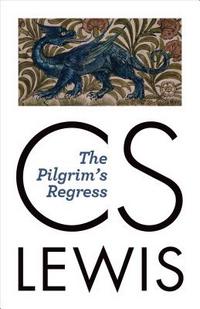
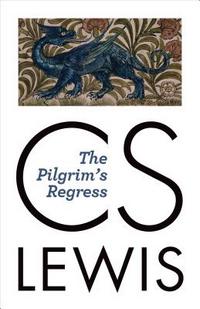
Cover of The Pilgrim's Regress by C.S. LewisThe Pilgrim’s Regress

by C. S. Lewis

DETAILS:
Publisher: William B. Eerdmans Publishing Company
Publication Date: October 22, 2014
Format: Paperback
Length: 230 pg.
Read Date: January 1-3, 2025
Buy from Bookshop.org Support Indie Bookstores

A Bit of Personal History (feel free to skip)

Back in ’91 or ’92, I saw a copy of The Pilgrim’s Regress on a bookstore shelf. I was in a “read everything by Lewis you can get your hands on phase,” so I instantly picked it up. But the back of the book talked about it as the modern equivalent of Bunyan’s The Pilgrim’s Progress in a way that I figured I should read Bunyan before it.

It took me a little while to track down the Bunyan (the toilsome times before online bookshops), and by the time I worked my way through it, the bookstore didn’t have that copy any more and I was distracted by other things.

I’ve often thought about trying this book since then—but it wasn’t until I started thinking about this project that I finally combined ambition with general curiosity.

What’s The Pilgrim’s Regress About?

This modern-retelling of The Pilgrim’s Progressis an allegory about a man named John on his journey from childhood exposure to religion in Puritania to an Island of pleasure. Along the way, he has to deal with several physical, spiritiual and itellectual challenges to take him away from his journey (pretty much like Bunyan’s Christian).

This was the first thing that Lewis wrote after his conversion, and it’s considered to be an intellectual biography of that journey.

Basically, think Bunyan for the early 20th Century and you’ve got it.

A Couple of Things That Helped Me

Early on, John encounters a “brown girl” who distracts him from his interest in—or at least pursuing that interest. They begin a sexual relationship, which goes awry and causes some serious problems for John (actually, that entire relationship from her introduction on is a serious problem.) I was pretty sure that Lewis wasn’t making any kind of ethnic characterization or anything, but it’s hard to shake the feeling. Thankfully, reading this blog post by a Lewis expert made me feel so much better (and shows I was on the right path in general with it). I’d explain it, but Dr. Hurd does it better.

The other thing that helped was the afterword that Lewis wrote for the Third Edition, ten years after the original publication. He points to some flaws, or at least things he could’ve done better. I agreed with most of his self-diagnosis, and at least one point, his explanation made me understand an aspect of the book (and, yes, he was right to critique himself).

So, while I’m glad for the additional things that helped me appreciate the book, I trust that with very little effort, I could find more. I shouldn’t have to look to these kinds of things to appreciate a book. To gain a better understanding, sure. But to move me from “meh” to “okay, that wasn’t that bad/objectional” should come from the text itself—not from others.

So, what did I think about The Pilgrim’s Regress?

It’s been almost a century since this was first published, and I cannot decide if it’s a good thing or not that so many of the characters and ideas John encounters are still relevant and identifiable (although some details may have altered a bit). The reader can see that these intellectual movements are nothing new—sadly, many of them haven’t been forgotten. One of the best things about reading theological works written generations before me is wondering exactly what the author is targeting (or why they’re bothering)—but the ideas that Lewis wants to confront are still in his readers’ lives. Probably even more than they were for him.

The beginning of the book seemed promising with an uncaring and cold clergy, parents who were off the mark, and so on—I thought John’s journey would lead us to a correction of or confrontation with these things. But no, we get the brown girl and then things go far from where I thought we were going. Naturally, I don’t mind that—but I would’ve appreciated something more definitive. That’s personal taste, though.

Like many allegories, particularly Bunyan’s, there is nothing subtle about The Pilgrim’s Regress. That doesn’t mean it’s not good, or that it’s so clear always that there’s no thinking involved, but, wow—it does tend to feel like it’s hitting you with a brick when John encounters a new person/idea.

Am I glad that I read this? Yes. So I can see Lewis’ development as a writer, to satisfy a certain curiosity in general, and to cross off a decades-old item from my “To Read List.” For people who don’t have at least two of those motivations to pick this up, I can’t really recommend it. I’m not sure I really can for those who do have those motivations—but it satisfies those particular itches.

Is this bad? By no means. It’s not good either. I did particularly enjoy certain lines, scenes, or encounters. I thought some of the ways that Lewis framed the better alternatives to be refreshing and helpful. But overall this really did nothing for me.


3 Stars

This post contains an affiliate link. If you purchase from it, I will get a small commission at no additional cost to you. As always, the opinions expressed are my own.

Irresponsible Reader Pilcrow Icon

Page 57 of 603

Powered by WordPress & Theme by Anders Norén