
Odds ‘n ends about books and reading that caught my eye this week. You’ve probably seen some/most/all of them, but just in case:
 The Lost Art of Reading an Actual Book: What happens when people stop reading books? We’re starting to see what a postliterate society looks like—and it’s very lame.—worth the read just for the metaphor about eating your kids’ Halloween candy.
9 Classic Crime Stories That Have Just Entered the Public Domain in 2026—CrimeReads talks about some BIG titles that are now Public Domain.
Mort Walker, Beetle Bailey, and the decline and fall of newspaper comics
100 Years of ‘The Murder of Roger Ackroyd’: Adrian McKinty celebrates the centenary of Agatha Christie’s groundbreaking detective novel.
Is Fantasy Still Not Taken “Seriously” in Some Circles?—this week’s Fantasy with Friends had a lot of good input, (as I predicted). Go read the participants.
Let’s talk about “grimdark”—some good musings on Grimdark (which is being applied to broadly lately)
Letting Stories Linger—yes.
From Service to Storytelling: Local Vet Publishes Fantasy Novels—a nice little story about a local writer that I hope to make the acquaintance of soon. (at least in print)
26 Short Classics to Meet Your Goal of Reading More Classics in 2026—This could be a handy list
It’s all Your Fault: Book Reviewers who Influence My Reading—The gloves come off, and Jodie calls out book reviewers who deliberately destroy TBR pile progress. Vile folks that you should check out.
Speaking of destroying TBR progress, these Best of ’25 lists should set yours back a bit:
 Sifa Elisabeth’s Best Books of 2025
Ganesh’s (Pippin Took) top reads of 2025 (his reasoning behind The Kaiju Preservation Society is very sound)
Jo Linsdell’sBest Reads of 2025
Celeste’s Favorite Books Published in 2025 and Favorite Backlist Books of 2025 show some great taste and burden me with some new titles
My Top 5: Books Read In 2025—For Books Sake pulls of the Herculean task of limiting it to 5!
TCL’s Best of the Best List for 2013-2025!—this is something I could never do…and props to Davida for pulling it off. And the madness is spreading, as Carol takes a stab at it: Best of the Best: 2015 to 2025

My favorite sentence/passage/phrase (or two) that I read this week :
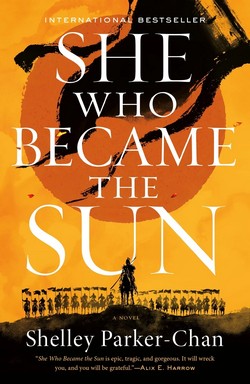
“The Governor was obviously the kind of person who received as much spiritual contentment from berating others as a cold man does from a bowl of soup.”—She Who Became the Sun by SHelley Parker-Chan (so, so much is said in that one sentence)
To help talk about backlist titles (and just for fun), What Was I Talking About 10 Years Ago This Week?
Somehow, these posts didn’t make the transfer to the new domain, so they look a little strange.
The Witch with No Name by Kim Harrison
The Absconded Ambassador by Michael R. Underwood
And I mentioned the releases of: The Last Dream Keeper by Amber Benson and Steal the Sky by Megan E. O’Keefe
This Week’s New Releases that I’m Excited About and/or You’ll Probably See Here Soon:
Through Gates of Garnet and Gold by Seanan McGuire—Nancy returns to Eleanor West’s school on a mission–the world behind her Door is in peril, and her friends may be their last hope. Like just about every book in this series, this one blew me away, as I noted recently.
Fairest Hunter by M.K. Felix—a retelling of Snow White and Robin Hood. Should be a fun mashup.
The Charmed Library by Jennifer Moorman—”A cozy, Hallmark-esque rom-com, The Charmed Library invites readers to escape to a world where words come alive and book boyfriends leap off the page.” Go read what the Witty & Sarcastic Book Club had to say about it.
Ms. Marvel: Remnants of the Past by Saadia Faruqi—Kamala Khan is off to Pakistan on a hunt for a magical artifact. ‘Nuff said.
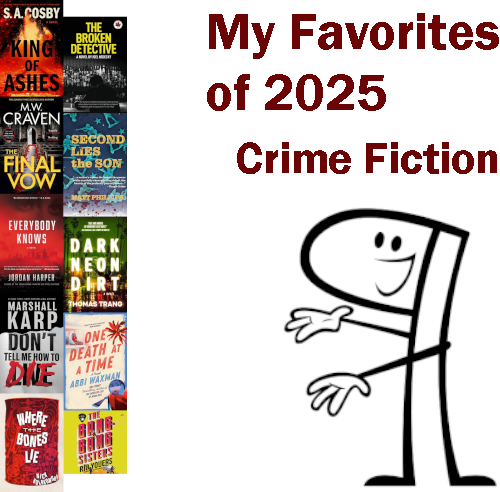
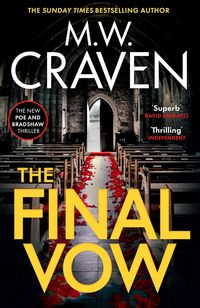
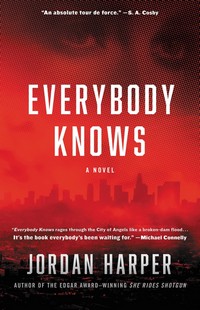
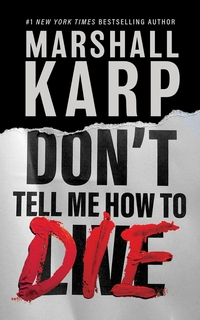
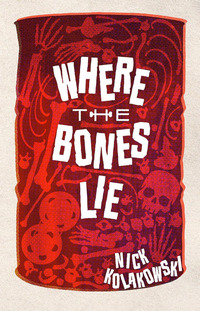
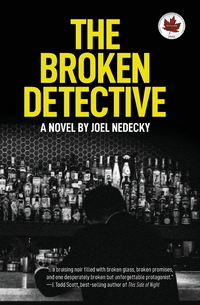

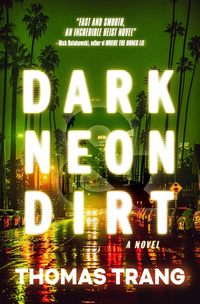
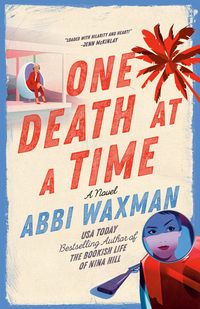
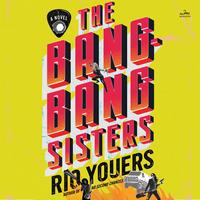
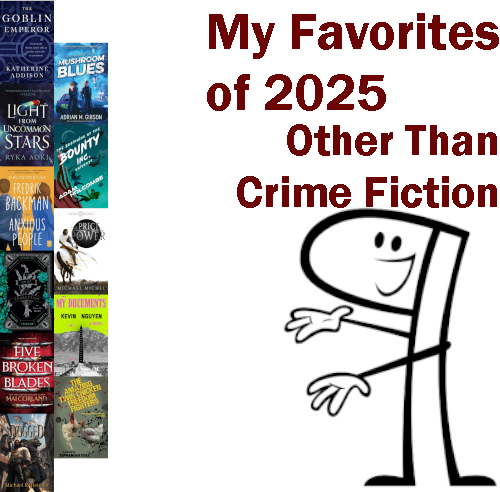
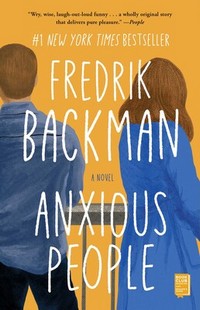
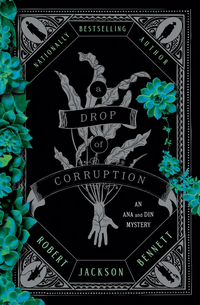
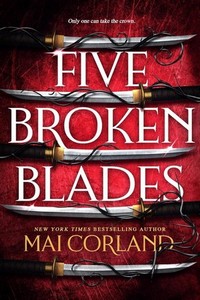
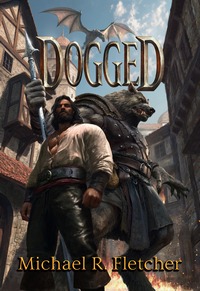
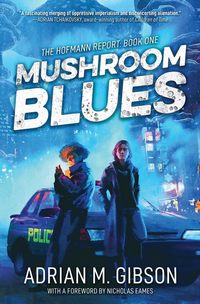


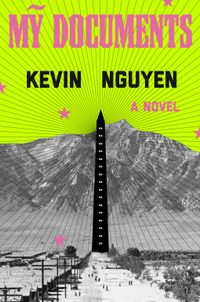
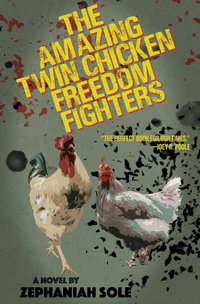

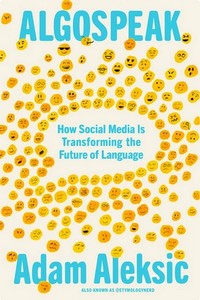
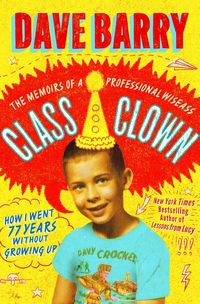

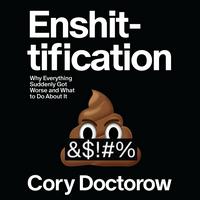
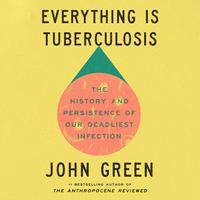
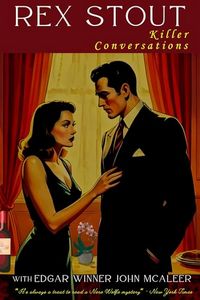
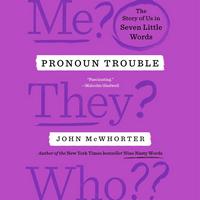
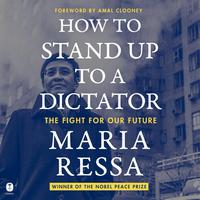
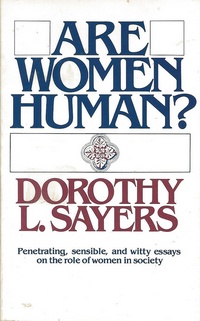
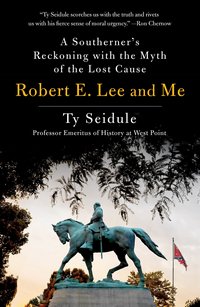

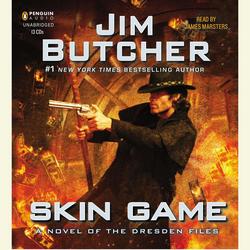
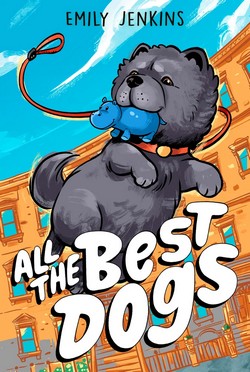
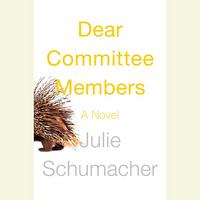
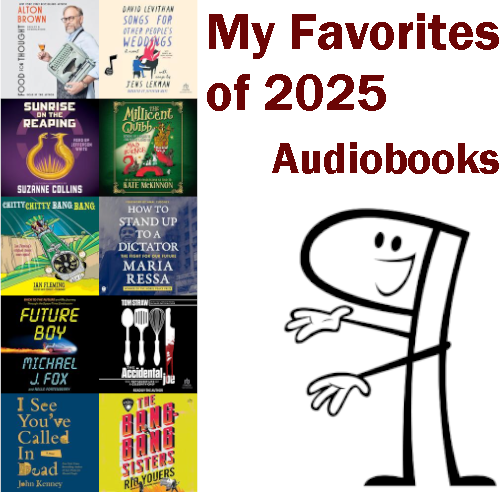
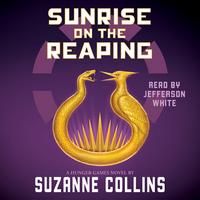
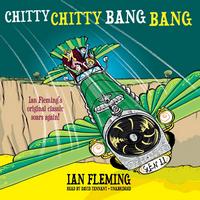

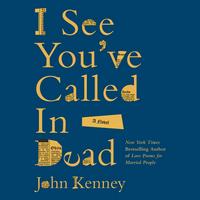
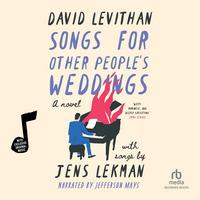
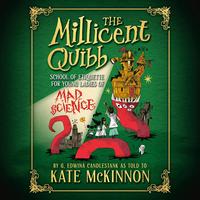
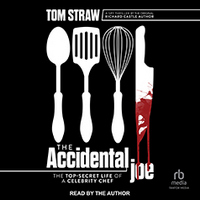
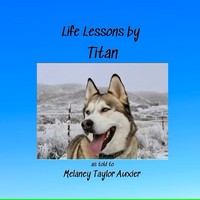
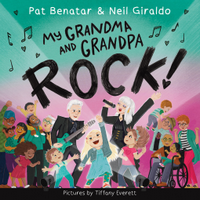
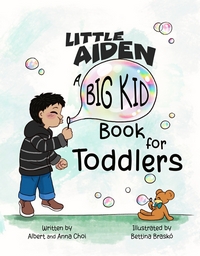
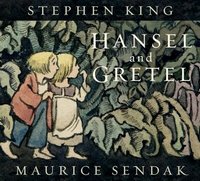
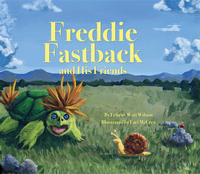
 I’ve posted favorite Picture or Children’s books before, but now that I’m a Grandfather, I’m thinking about these things more. So, it’s not unusual for me to read these kinds of books, but I’m doing more of it. I fully expected this post to be larger this year–but there were fewer new-to-me reads and many, many re-reads (which I really should’ve anticipated). Anyway, here are the books that really stuck with me and struck me as ones to keep talking about.


My Favorite Theology/Christian Living Books of 2025
By HCNewton
On January 11, 2026
In News/Misc., Theology/Christian Living
It’s finally time to wrap these lists, with my favorites in Theology and Christian Living (and related things). There’s some overlap in some of these titles, which just shows what kinds of things I was thinking about this year, I guess. I didn’t read as many books along these lines as I expected to/usually do–mostly because the ones I did read took some work to get through (and I had too many “project reads”). But these would’ve floated to the top in any year.
As always, re-reads don’t count for these lists.
(in alphabetical order by author)
by Michael P. V. Barrett
Barrett writes brief devotional meditations on some Old Testament passages (I’m not sure how brief because I read electronically, but they didn’t take terribly long to read). Which is good enough for a book–but Barrett writes with a depth that I don’t think I’ve come across in a devotional before. He gets to the heart and the nitty-gritty of the passages he looks at–and writes in a way that the reader will find application for their life, understanding of the passage, and a new/renewed reason to worship and serve the One who bought them.
The only thing that impressed me–almost every week–as much as the content was Barret’s ability to accomplish it so briefly.
by Mitchell L. Chase
My original post
I personally benefited from Chase’s definition of “wisdom” and how to find it in Scripture. I really appreciated his unwillingness to make Proverbs, Ecclesiastes, Song of Songs, and James the epicenter of his discussion, but to look for it throughout the Scriptures (see above). Tackling the topic of wisdom from a Redemptive Historical point of view rather than a Systematic perspective (which is what I’m used to, as I expect most are), really helped me to see the breadth of it—and even to help with my Systematic understanding of it (as it should).
All in all, this is a truly helpful and insightful read.
Why the Love of Money Is the Root of Racism and How the Church Can Create a New Way Forward
by Malcolm Foley
I’ve tried on at least four occasions to write a post about this book, and keep failing. I’m going to keep trying, but in the meantime, I’ll just say that this is one of the best books I read in 2025 regardless of genre/topic. Foley starts with Ida Wells’ point tying racism to money, and expands on that. He traces the connection between the love of money (which we know to be the root of all sorts of evil) and racism/racism-friendly policies and attitudes throughout U.S. History–particularly after the Civil War. And how the Church, to her shame, participates in those.
Then he points the way forward–using a variety of theological tools. Including the Westminster Larger Catechism’s teaching on the Eighth Commandment. It’s inspiring, it’s convicting, it’s full of hope.
by Carmen Joy Imes
My original post
Is this the most rigorous, robust work that I’ve ever read on The Church? No. Is this the most technical, theological work I’ve come across? No. Did this take a lot of effort to get through? No (and what a relief). Is this perhaps the most passionate work on the subject I’ve read? Yes. Is it perhaps the most persuasive about the need for individual believers (particularly in an individualist culture) to be involved with the Church? Also, yes.
It’s warm, it’s approachable, it’s learned in a non-off-putting way. Imes is a great guide through the topic and a fun companion through the stroll. She pointed out some things I hadn’t thought of before—and helped me grasp a couple of texts that I’ve struggled with for years.
by C. S. Lewis
There’s a lot of this book that I disagree with–but I appreciate the way that Lewis got to his conclusions. I also admit that Lewis might be closer to right than I am on those points. But the opening letter on prayer is one of the best things I’ve read on the topic, and while the rest of the book doesn’t reach those heights, I truly enjoyed and benefited from considering them. This is one of those books by him I hadn’t gotten around to reading in the past until my little Lewis-immersion project last year. It won’t be the last time.
by Zacharias Ursinus
As this is written by one of the chief authors of the Heidelberg Catechism, it’s impossible to get a more authoritative take on it. This is essentially the director’s cut of the catechism. Sure, we all know the answers, but how’d you get to that answer? Well, you think like so….
This is a treasure for anyone trying to understand and use the Heidelberg Catechism for personal use or for trying to raise the generation to follow.
by Drew Poplin
My original post
I hate the fact that books decrying the sin (or, in Poplin’s argument, heresy) of racism need to be written now. But the need for them is pretty clear to anyone in the American Church. This brief (perhaps too brief) book is a compelling read, calling racism what it is, an attack on God and His creation. Convicting, and hopefully convincing. It’s well worth the time to read.
by O. Palmer Robertson
Did this floor me as much as the first volume of this set (on the Gospels) did? Nope. But am I going to study Acts or Paul’s letters without consulting this in the future? Bigger nope. Robertson first traces the development of revelation and the Church’s understanding of it through Acts, then he spends the bulk of the book watching Paul’s themes develop and change over the course of his career–never contradictory, never inconsistent, but starting with certain emphases that develop into new ones given the events of his life and the needs of the Church throughout the First Century. It’s really a handy book to work through and to keep on hand for future use.
by Mikel Del Rosario
My original post
Del Rosario’s approach to the subject alone could put him on this list–let’s take an in-depth look at two passages and see what Jesus is claiming for himself in both. Let’s consider what the original audience heard–and seek to understand that by the way they reacted. Then let’s consider the implications of both. Del Rosario writes clearly and compellingly. The text—even when it gets technical—is straightforward and approachable by people who aren’t historical scholars.
Not only does reading this help buttress the confidence a reader has in the passage and Jesus’ claims in them, but Del Rosario gives his readers a model to follow when they come across similar passages.
by Cornelius Van Til
My original post
This is some pretty clear writing from a man widely considered not to be terribly clear all the time. Some of the commandments don’t get the same level of attention as others–and it makes sense given who Van Til is and his own driving focus.
It’s a very sound introduction, in line with the bulk of the Reformed stream of thought on the Law and its usage from the time of the Reformation forward. But a little more approachable given the length and the fact it was written in the 20th Century.