July 2019 Report

July in a nutshell: 24 books, 6757 pages (roughly 1400 more than June). There were a couple of stinkers here, but mostly really good books, 3.6 average — 3 of them were 5-star!

I’m a bit frustrated with how behind I’m getting, 3-4 book posts a week just isn’t enough. I may have to grab a couple of 800 page books to slow down the pace so I can catch up 🙂

Still, all things considered, it was a good month around here between reading some great stuff, having a lot of fun with #IndieCrimeCrawl, and some great interaction with readers both here and elsewhere on teh IntraWebz.

Anway, here’s what happened here in July.

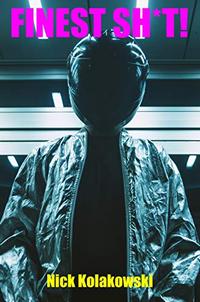
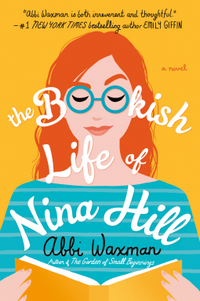
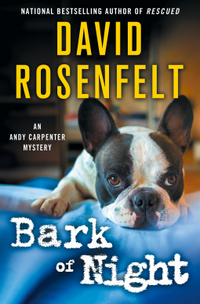
 Finest Sh*t! The Bookish Life of Nina Hill Bark of Night
3.5 Stars 5 Stars 4 Stars
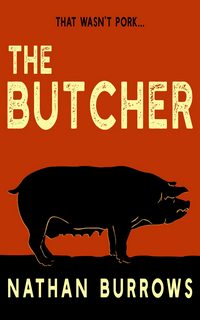
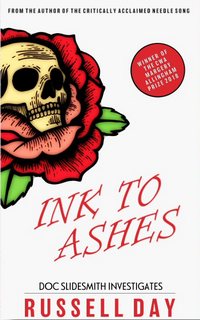
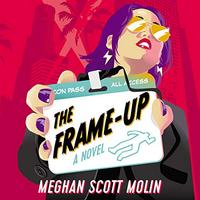
The Butcher Ink to Ashes The Frame-Up (Audiobook)
3.5 Stars 4 Stars 4 Stars
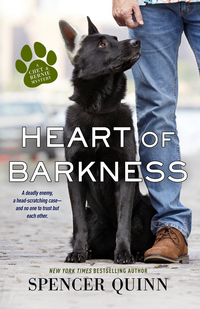
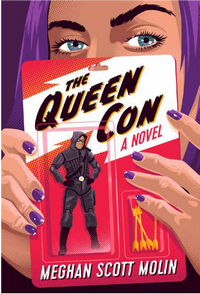
Heart of Barkness Gravity The Queen Con
4 Stars Still Deciding 3.5 Stars
In the Eye Worst Case Scenario The Blue Zones Solution (Audiobook)
3 Stars 4 Stars 2 Stars
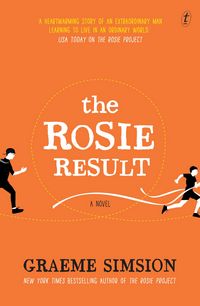
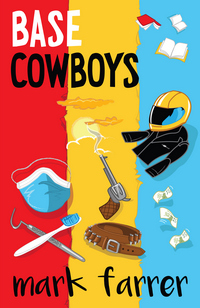
Riding the Elephant The Rosie Result Base Cowboys
3 Stars 4 Stars 3 Stars
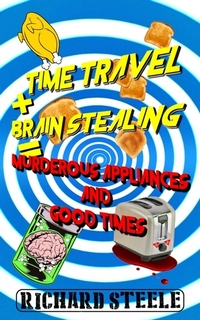
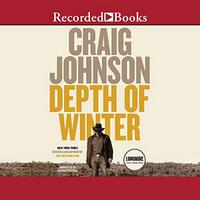
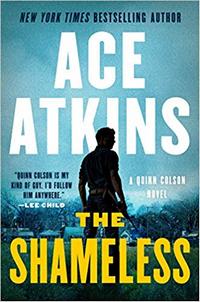
Time Travel + Brain Stealing = Murderous Appliances and Good Times The Depth of Winter (Audiobook) The Shameless
Still Deciding 3 Stars 5 Stars
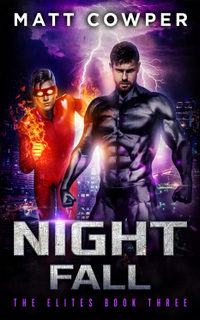
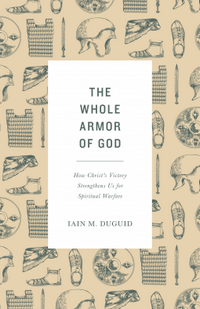
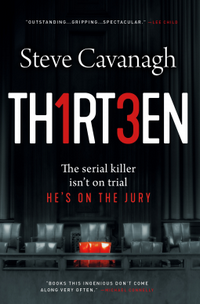
Nightfall The Whole Armor of God Thirteen
4 1/2 Stars 3.5 Stars 5 Stars
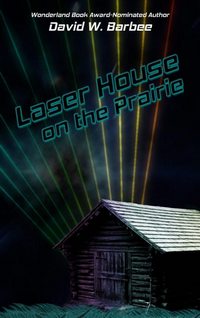
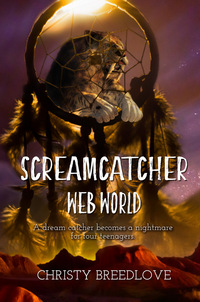
Laser House on the Prairie Screamcatcher Ashes of Honor (Audiobook)
3.5 Stars 3.5 Stars 4 1/2 Stars

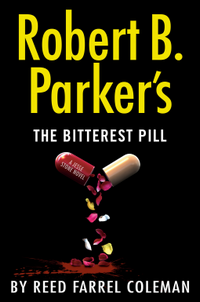
Reformed Dogmatics, Volume 4: Soteriology Heaven on Earth The Bitterest Pill

5 Stars 3 2 1/2 Stars 0
4 1/2 Stars 2 2 Stars 2
4 Stars 6 1 1/2 Stars 0
3.5 Stars 7 1 Star 0
3 Stars 4
Average = 3.6


Physical Books: 1 Added, 2 Read, 24 Remaining
E-Books: 2 Added, 5 Read, 20 Remaining
Audiobooks: 3 Added, 2 Read, 6 Remaining

2019 Library Love Challenge

2019 Library Love Challenge

  1. The Blue Zones Solution(Audiobook) by Dan Buettner, Joe Barrett
  2. Riding the Elephant by Craig Ferguson
  3. The Rosie Result by Graeme Simsion (link forthcoming)
  4. The Depth of Winter (Audiobook) by Craig Johnson, George Guidall
  5. The Shameless by Ace Atkins (link forthcoming)

While I Was Reading 2019 Challenge

✔ A memoir or biography of a favorite celebrity: Riding the Elephant by Craig Ferguson
✔ A book written by a comedian: Riding the Elephant by Craig Ferguson
✔ A book with your favorite animal on the cover or in the title: Heart of Barkness by Spencer Quinn

LetsReadIndie Reading Challenge

#LetsReadIndie Reading Challenge

  1. Finest Sh*t!: Deviant Stories by Nick Kolakowski
  2. The Butcher by Nathan Burrows
  3. Ink to Ashes by Russell Day
  4. Gravity by Maggie Lynch (link forthcoming)
  5. In the Eye by Robert Germaux
  6. Worst Case Scenario by Helen Fitzgerald
  7. Base Cowboys by Mark Farrer
  8. Laser House on the Prairie by David W. Barbee (link forthcoming)
  9. Time Travel + Brain Stealing = Murderous Appliances and Good Times by Richard Steele (link forthcoming)
  10. Nightfall by Matt Cowper (link forthcoming)
  11. Screamcatcher by Christy J. Breedlove (link forthcoming)
2019 Cloak & Dagger Challenge

2019 Cloak & Dagger Challenge

  1. Finest Sh*t!: Deviant Stories by Nick Kolakowski
  2. Worst Case Scenario

  3. The Butcher by Nathan Burrows
  4. Ink to Ashes by Russell Day
  5. In the Eye by Robert Germaux
  6. Worst Case Scenario by Helen Fitzgerald
  7. Base Cowboys by Mark Farrer
  8. The Depth of Winter (Audiobook) by Craig Johnson, George Guidall
  9. The Shameless by Ace Atkins (link forthcoming)
  10. Bark of Night by David Rosenfelt
  11. The Frame-Up (Audiobook) by Meghan Scott Molin, Andrea Emmes
  12. Heart of Barkness by Spencer Quinn
  13. The Queen Con by Meghan Scott Molin (link forthcoming)
  14. Thirteen by Steve Cavanagh
Humor Reading Challenge 2019

Humor Reading Challenge 2019

  1. Riding the Elephant by Craig Ferguson
  2. The Rosie Result by Graeme Simsion (link forthcoming)
2019 Cloud of Witnesses Reading Challenge

2019 Cloud of Witnesses Reading Challenge

    Nothing this month.

How was your month?

The Blue Zones Solution (Audiobook) by Dan Buettner, Joe Barrett: Uninspiring tales about efforts to prolong longevity

The Blue Zones Solution (Audiobook)The Blue Zones Solution: Eating and Living like the World’s Healthiest People (Audiobook)

by Dan Buettner, Joe Barrett


Unabridged Audiobook, 7 hrs., 5 mins.
Blackstone Audio, Inc., 2015
Read: July 12 – 16, 2019

As part of some medical education I’m getting, The Blue Zones was recommended to me. I couldn’t find an easily accessible copy of it, but my library did have one of the follow-ups, The Blue Zones Solution on audio. So I gave it a whirl.

There are a couple of aspects to the beginning of this book, he does a quick pass through over some of the “Blue Zones” from his first book (areas with above-normal centenarian population) to extract some common principles. This was too-much of a follow-up on what he’d already done to be a benefit to those who hadn’t read the first book. He also detailed ways his foundation tried to create Blue Zones in the US following these principles for communities that requested it.

Something bothered me about the way that was carried out, but I can’t articulate it without having the book in front of me to point to specific passages.

Lastly, he talks about ways you can create mini-Blue Zones in your home. Most of the advice given here is better delivered in other sources (like say, How Not to Die by Michael Greger).

Most of the support for the principles—especially as described here, is anecdotal, and the mantra “Correlation does not imply Causation” that was pounded into my head in college kept running through my mind. Maybe the original book would’ve convinced me—this did not. There was certainly a cornucopia of anecdotes (and a couple were hard to follow from chapter to chapter, to be honest, but that might be due to my lack of interest).

One of the principles is a commitment to/participation in religious practices. Religious activity is recommended without any regard for the truth involved. That bothers me tremendously. His later treatment of “Adventists” as a group equivalent to an ethnicity or population of a city/island/geographic area—and again, it was only the lifestyle habits, not the premises, presuppositions, and beliefs that undergird those habits that were encouraged. Selling the tree without the root isn’t going to produce much fruit or shade.

I don’t have any strong opinions about this as an audiobook, although I found Barrett’s pronunciation of “plantain” annoying (however correct). But so much of the benefit of the book depends on looking at the PDF that came with it. That’s where some of the data and all of the recipes are. So much of the useful part of the book isn’t in the audio. That’s not a deal killer, but as I was pretty down on the book already, it didn’t help.

The book didn’t do anything for me at all. I’m just not the audience for it, maybe if I’d read the first book and was curious about applying the lessons, I’d be interested. But I just didn’t see the point of this one.

—–

2 Stars

2019 Library Love Challenge

WWW Wednesday, 31-July-2019

Welcome to WWW Wednesday! Something I’m really enjoying as I find myself falling further and further behind with posts.

This meme was formerly hosted by MizB at A Daily Rhythm and revived on Taking on a World of Words — and shown to me by Aurore-Anne-Chehoke at Diary-of-a-black-city-girl. I had fun with this last week, thought I’d try again.

The Three Ws are:

What are you currently reading?
What did you recently finish reading?
What do you think you’ll read next?

Easy enough, right?

What are you currently reading?

I’m about 19% into an eARC for Robert B. Parker’s The Bitterest Pill by Reed Farrel Coleman, Coleman’s 6th Jesse Stone novel. It’s off to a great start. And I’m less than an hour away from finishing Ashes of Honor by Seanan McGuire, with Mary Robinette Kowal narrating.

What did you recently finish reading?

Yesterday, I tore through Laser House on the Prairie by David W. Barbee, and today, I managed to polish off Screamcatcher by Christy J. Breedlove.

What do you think you’ll read next?

I’m not sure what my next audiobook will be, I should probably figure that out before my commute tomorrow. My next book will probably be Chances Are . . . by Richard Russo. I just got word that it’s waiting for me at the library.

Hit me with your Three W’s in the comments!

Thirteen by Steve Cavanagh: Eddie Flynn, a Serial Killer and a “Trial of the Century”

ThirteenThirteen

by Steve Cavanagh
Series: Eddie Flynn, #4
eARC, 336 pg.
Flatiron Books, 2019
Read: July 26 – 29, 2019

I wanted this posted a day ago, but just a couple hours after finishing it, I wasn’t capable of discussing it in a meaningful way—unless you consider gibberish with intermittent “squee”s and a lot of exclamation points meaningful (and, I suppose it is, in a fashion). I think I’m a bit better now, but I’m still having a hard time organizing my thoughts. I’ve discussed each of the prior Eddie Flynn books in the last couple of years here—and each one has been a little better than its predecessor. This is no exception—but I’m not sure if Eddie Flynn #5 will be able to top this one (equalling it will prove difficult enough).

But I’m getting ahead of myself.

Before he’s had time to fully absorb—much less react to—some devastating personal news, Eddie Flynn is approached by one of the biggest, flashiest, best-known defense attorneys in New York to be his second chair in an upcoming murder trial. He’s not interested, at all—even after the money on the table is mentioned. But he eventually agrees to meet with the accused to decide if he believes in the client’s claims of innocence.

Robert (Bobby) Solomon is an actor on the verge of super-stardom. He’s one-half of a Hollywood power-couple with a reality show and a couple of movies together that are responsible for this status. He also stands accused of killing his wife and their security chief after finding them in bed. Eddie believes him and signs on. The media (social and otherwise) is abuzz with the killings and is circulating plenty of rumors, innuendoes and speculation about Bobby and his wife at this time, as they cover “The Trial of the Century.”

The prosecution’s case is almost overwhelmingly strong, but with some creative thinking, Eddie and his investigator dive into the case, coming up with a strategy for his defense—including ways to attack the prosecution’s case. His investigator is the FBI Agent Harper from The Liar, who has since quit the Bureau and is doing PI and security work with her former partner (this was a great move by Cavanagh, she’s the best character from that book not named Flynn).

Still, that’s a daunting target and an almost impossible feat. But what makes it worse? The actual killer—a serial killer, mind you—is on the jury and is committed to getting a guilty verdict. What a great hook, right?

It is hard, almost impossible, to give readers a serial killer as unique as this one. He’s not as charming or intelligent as Dr. Lecter (but close on the latter), he’s not as obviously sick and twisted as most fictional serial killers. There’s not a trace of sexual sadism or anything like that to his modus operandi (which is not to say there’s none in his past). He’s smart, he’s careful, he’s strategic and committed to his vision. He’s got some natural gifts that help him—and an ally that assists him (a non-lone wolf serial killer, I don’t know if I’ve seen that before).

What separates this killer from the rest is the motivation behind his killings and victim selection (and how he makes them a victim). Yes, he’s clearly mentally ill—psychopathic/sociopathic tendencies (if he’s not diagnosable with either), and he enjoys his work. But there’s an ethos, an ideology behind his work. He’s got a message for the world, a lesson he’s trying to teach people. Everything he does is toward this goal, toward living out this ethos. I absolutely loved this, and the more Cavanagh showed this was behind the killing (and eventually, killings), the more we saw of the motivation, the more I liked it (and the more impressed I was with the creation of this killer).

I want to go on a few more paragraphs about him, but I can’t without spoiling everything—so let me stress this is a great, and unique, serial killer.

While dealing with this case, Eddie also has some family problems he’s trying to address, and there are some NYPD cops out for him after embarrassing a detective on the witness stand. Eddie spends more time in danger from members of the NYPD than he does from the killer.

Harry, of course, is back—which is great. He’s more involved in this case than he has been since the first book, The Defense. He’s a judge, Eddie’s former mentor and current self-appointed guardian of Eddie’s alcohol intake. He’s a great friend and ally for Eddie. We also see the return of Arnold Novoselic, the jury consultant that caused so much trouble for Eddie in The Defense, this time, however, he’s on Eddie’s side. From a one-dimensional bad guy in book 1, he’s transformed into someone Eddie has to—and then can—rely on. There’s a new prosecuting attorney, and he’s a great character and a worthy competitor for Eddie.

No matter who’s writing the legal thriller, one of my favorite parts of the book is the narrator/protagonist giving the reader insight into how the judicial system functions—the nitty-gritty stuff about scheduling trials, deciding who to put on your witness list, the order you call the witnesses in, and so on. The reader gets plenty of that here—along with two (complementary) explanations why attorneys on either side of the case just don’t want anything to drive a judge to sequester a jury. I’d never thought of that before, but it rings so true. Eddie also gives a very detailed explanation about how the skills that made him a successful con artist make him a successful trial lawyer. Because I enjoy it so much, I could’ve read a whole lot more of this “behind the scenes” material if it’d been possible for Cavanagh to work it in. Still, I think we get more of that here than we have before.

The pacing on this book is intense—Eddie being hired, investigating, the trial and the outcome all take place in a week. A business week, Monday – Friday, to be specific. That’s just insane—and improbable. But you don’t stop to doubt it while reading. Even after finishing the book, I can’t be bothered to spend too much time wondering about that, because Cavanagh sold the timeline so well. It doesn’t feel rushed at all, however, it just feels like an intense thriller.

While driving the pace that hard, no corners are cut in the intricacy of the story. There are surprises, twists and turns enough to satisfy every reader, and enough courtroom shenanigans to compete with Mason or Haller. The penultimate reveal got me calling Cavanagh some pretty terrible names—not because I didn’t like the reveal, not because Cavanagh cheated in the way he told the story, but because he fooled me. It was all there, ready to be seen, but like a good magician, Cavanagh kept my eyes on what he was doing with one hand and ignoring the —he totally hoodwinked me. I admire that in an author but despise myself for falling victim.

Is Thirteen a decent jumping-on point to the series? Oh yeah, a great one—but you might find yourself a bit underwhelmed if you then go on to read the previous books (just a bit, that that’s only in comparison to this). For those of us who’ve been with Eddie for a while? This is a noticeable progression in quality. Cavanagh’s no longer a promising new author, he’s a reliable established veteran. Cavanagh’s been accumulating plenty of awards lately, and Thirteen demonstrates why and absolutely deserves the critical and award attention it’s been receiving. But better than all of that? It’s a riveting and rewarding read—entertaining, tense, and satisfying. Go get yourself a copy now and you can thank me later.

Disclaimer: I received this eARC from Flatiron Books via NetGalley in exchange for this post — thanks to both for this.

—–

5 Stars

2019 Cloak & Dagger Challenge

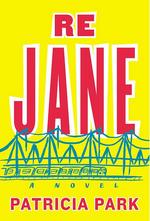
Reposting Just ‘Cuz — Re Jane by Patricia Park

So, I couldn’t get anything written tonight — but wanted to get something up, so for no real reason, here’s a post from 5 years ago (or so)
—

Re JaneRe Jane

by Patricia Park
Hardcover, 338 pg.
Pamela Dorman Books, 2015

Read: July 6 – 8, 2015

There are two ways to look at this book — as a retelling of Jane Eyre and as a novel on its own terms. It’s clearly indebted to Jane Eyre — frequently, the allusions are subtle; sometimes, she might as well be jumping up and down waving a flag. Still, Park’s her own writer — this is its own story, with its own characters — and a heroine who’s not just Brontë’s best-known character thinly disguised.

If you haven’t read Jane Eyre, first of all — shame on you. Secondly, yes, you can read this and appreciate it — you’ll just miss some of Park’s cleverness. Instead, what you’ll get is a straight-forward story about the trials and travails (and travels) of a young Korean-American woman.

Jane Re’s a half-Korean college graduate who becomes a nanny for the daughter of a couple of silly (white) New Yorkers — she’s a stereotypical college professor in Women’s Studies, he’s a henpecked high-school English teacher. Their daughter was adopted from China, and is now old enough that she doesn’t need a nanny — which makes the whole thing a greater challenge. Still, it’s better than the alternative — returning to live with her uncle and aunt, who were forced to take her in after the death of her mother in Korea (and her family there being unwilling to keep her).

Then through a series of events you can read about yourself, she finds herself living for a bit in South Korea. This is as fascinating as you’d think it’d be. It’s not just about a young South Korean woman, it’s about a young half-South Korean woman, raised in the States (by people who left Korea decades before), trying to acclimate to Korea. A stranger in the U.S. to many because of culture and appearance, finds herself a greater stranger there for the same reasons.

Which leads to . . . spoiler stuff. Which is even more interesting. Along the way there’s a whole mess of family issues, stranger-in-a-strange-land issues, self-acceptance issues, romance issues, and other things I can’t pair with the word “issues.” Jane goes through a lot, I’ve got to say — maybe a wider-range of challenges than Eyre. I frequently found myself wanting a bit more spunk, a bit more chutzpah from Jane throughout. But, like her namesake, when she needed it, she found it within — and it was great to see.

Park makes a pivotal choice in her selection of chronological setting — and one that worried me. It’d have been so easy to go wrong with this, and I’m used to seeing it go badly — but Park pulls it off, and actually makes it work for her.

In the end, I liked Jane. I rooted for her. I liked (some of) her family and friends. I was invested in the story. It’s not going to go down as good as, or as important as, its inspiration — but it’s a well-written, warm, look at a woman learning how to take charge of her life.

—–

4 Stars

Brother, Can You Spare a Dime? (or Ten Minutes)

5 Stars
So a couple of weeks ago, I mentioned that I’m wanting to toy with the look and functionality of this site. I spent time I should’ve been reading/writing and have a rough draft completed. Before I spend a few more hours launching it, I’d like a few eyeballs to take a look, give me some feedback. I know all too well that I’d let something simple slip by* or an eyesore. I’m hoping to get 10 +/- volunteers (in addition to the handful of people I volunteered).

* Actually, while doing this, I found a major problem with this current theme—Tuesday night will likely involve too much time fixing it (never you mind the fact that no one’s said anything about it for years, I know it’s there).

If you’re willing Drop me a quick line—make sure to include an email address (which I’ll forget about right after using). In return for any feedback, you’ll be eligible to receive 5% of all the profits I make from this thing in 2019 (which means you may end up owing me $5).

Thanks!

And now, a bonus video, because I can’t get this performance out of my head after I typed that Post Title.

Riding the Elephant by Craig Ferguson: Heartfelt, Amusing, Occasionally Inspirational and/or Hilarious.

Riding the ElephantRiding the Elephant: A Memoir of Altercations, Humiliations, Hallucinations, and Observations

by Craig Ferguson
Hardcover, 266 pg.
Blue Rider Press, 2019
Read: July 1 – 18, 2019

The following year, 2009, I actually sang ”Sweet Caroline” along with Neil Diamond on stage—he put his hand on my shoulder! ”Reachin’ out. . . touchin’ me. . . touchin’ you . . .,” which means, no matter what you may achieve in your life, I’ll always be that little bit more awesome than you.

Early on, Ferguson talks about his approach to the writing of this book—after years of writing the monologue-type things he started his talk show with (I call them type, because they’re not like your standard late night monologue), he’s continued to think in those terms, he finds it natural to write in. So, he wrote a few of those looking back on his past. Presto—a new memoir.

The timeline jumps around a lot, so there’s no real linear storyline. But there are trends, if you’re looking for them. More than that, there are themes—sobriety, family, and personal growth would be at the top of the list.

There are some wonderfully-written passages, not enough for my taste—but it’s not that kind of book, so those moments shine. Mostly, it’s a showcase for Ferguson as story-teller. And he’s a good one: whether it’s about a fishing trip, a vacation in Japan, performing somewhere, teenage romance (unrequited, I should add) or meeting his wife (for example)— — you get caught up in the tale. Maybe the lessons he takes from the story or the point he was trying to raise, aren’t quite as good as the story itself, but frequently it is.

I could read the account of his learning to fly a couple of times a year and find it amusing and inspiring each time. I loved his discussion about his tattoos, too—it made me wish I had a session lined up.

One of the most prominent themes (maybe the most) is sobriety and his alcoholism. As you’d expect, Ferguson balances the harsh truths about both with his signature wit.

The problem with trying to hide active alcoholism from someone you live with is one of balance. You have to drink because you’re an alcoholic, but you don’t want to appear too drunk because then the poor unfortunate that is supposedly in a relationship with you might insist on you getting help. That’s the last fucking thing you want because every drinking alcoholic knows ”getting help” means stopping drinking, and that is unthinkable. Keeping your shit together is a tightrope act and is only halfway possible with luck, good timing, and cocaine. Even then it doesn’t always work.

Let’s be honest, it hardly ever works.

It never works.

I do think I would’ve enjoyed this more if I’d listened to the audiobook—alas, it wasn’t available at my library. I think I’d have responded better to Ferguson’s voice telling me the stories, not reading them with frequent approximations of his voice in my head. But it was nice enough—a few chuckles, some really well-written passages, some good insight into Ferguson. It wasn’t spectacular, as I’d hoped—but it was good. I’m glad I read it, and I bet if you like Ferguson to any extent, you’ll enjoy reading this, too.

—–

3 Stars

2019 Library Love ChallengeHumor Reading Challenge 2019

✔ A memoir or biography of a favorite celebrity.
✔ A book written by a comedian.

The Whole Armor of God by Iain M. Duguid: An Encouraging and Devotional Look at a Famous (and oft Misunderstood) Passage

(slightly updated)

The Whole Armor of GodThe Whole Armor of God: How Christ’s Victory Strengthens Us for Spiritual Warfare

by Iain M. Duguid


eARC, 128 pg.
Crossway, 2019

Read: July 28, 2019

When I was in High School, it would’ve been easy to get the idea that the central defining pericope for the New Testament believer’s life was Ephesians 6:10-18 — thanks to Frank Peretti, Carmen, ETW, and the like. The idea was this is a call to arms — notably with a stirring call to victory — to stand against Satan’s schemes and wrestle with the spiritual forces. It’s a militant type of sanctification, and while well-intentioned, it’s sloppy exegesis and ignores too many other things that Paul, Peter, other apostles, and the rest of Scripture tell us about the struggle of faith and the slow work of repentance. Of course, that was a long time ago, and many of those names would be unfamiliar to people (especially contemporary high schoolers), but the ideas are not. I know that Duguid is familiar with this because he talks about it in Chapter 1, which was pretty encouraging, because I’d mentally drafted this paragraph before I started the book.

After that dash of synchronicity, Duguid goes on to describe the armor Paul is actually describing in the passage — the armor that God Himself wore into battle and now provides for His people to wear. The rest of the book is devoted to him showing how Christ’s work and benefits are depicted through this armor. He spends a chapter per piece of armor: The Belt of Truth, The Breastplate of Righteousness, Gospel Boots, The Shield of Faith, The Helmet of Salvation, The Sword of the Spirit and Praying Always. He traces the use of the imagery throughout Scripture, showing Paul’s lines of thought — primarily through the Psalms and Prophets. These are not new ideas that Paul introduces to the Ephesians, but part of the warp and woof of redemptive history.

Yes, frequently Duguid calls his readers to use the armor in ways similar to the abuses I mentioned above (abuses might be too strong a word in some cases, but I think it fits the overall movement). But he does so while they’re properly rooted, and done in faith. And that’s always the last thing in his chapters.

Primarily, this book is an encouragement for the believer. I remember when I first encountered Reformed Theology what a revolutionary and wonderful thing it was to discover that the Gospel is for Christians, too. Duguid’s main task is demonstrating how each part of the armor is Good News for those united to Christ by faith first and foremost. There are parts of this book that I’ll go back to for further study on that point alone.

There are moments of evangelism for the non-believer as well. For the Gospel is to be indiscriminately proclaimed and this book reflects that as much as it argues for it.

Yes, I wish the book was about twice as long and a little more detailed and technical. But that’s not the intention, nor the audience he’s writing for, so I’m not complaining, just noting. Iain Duguid isn’t William Gurnall and doesn’t try to be (the book would be about six times as long if he was), but he does follow similar trajectories. Duguid writes crisply, clearly and effectively. So much so that it’d be easy to breeze through the book without giving it the thought its subject deserves. There’s a lot of meat for reflection and consideration here, and the discriminating reader will take advantage of it — hopefully, less-than-discriminating readers will, too.

I enjoyed this a lot, and will likely be giving copies as gifts, as well as returning to it myself. Recommended for all ages.

Disclaimer: I received this eARC from Crossway via NetGalley in exchange for this post — thanks to both for this.

—–
3.5 Stars

Saturday Miscellany — 7/27/19

Unexpected fatigue and dadding kept me from being as productive this week as I’d thought I would be six days ago — I spent an entire day without touching my laptop! Practically un-heard of.

Still, I managed to find a few odds ‘n ends over the week about books and reading that caught my eye. You’ve probably seen some/most/all of them, but just in case:

    This Week’s New Releases I’m Excited About and/or You’ll Probably See Here Soon:

  • The Unlikely Escape of Uriah Heep by H. G. Parry — Literary characters being pulled from their books into our world, sounds like a great idea. Until someone starts pulling the villains out for their own ends. Killer concept. Read what my pal over at Witty and Sarcastic Bookclub had to say about it
  • The Last Astronaut by David Wellington — in a future where humanity has given up on space exploration, something unknown shows up in our solar system so the last person trained to go into space is called into action. Interesting concept, seeming great execution. See what Char’s Horror Corner had to say.
  • The Wolf’s Call by Anthony Ryan — second week in a row for a fantasy title that makes me think about diving into the world some more.
  • Jade War by Fonda Lee — I liked Jade City (just not as much as the collective reading community did), an am intrigued by the second volume in the trilogy. Looking forward to seeing what people say about it.

Lastly, I’d like to say hi and extend a warm welcome to brian2010, TooFullToWrite and fionac13 for following the blog this week.

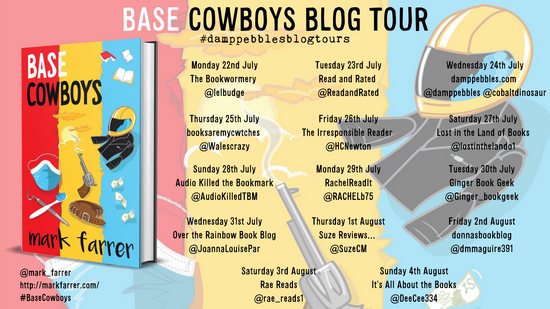
Base Cowboys by Mark Farrer: Enjoyable Scottish Crime Novellas about a wandering antihero

Base CowboysBase Cowboys

by Mark Farrer
Series: Cullen, #1

Kindle Edition, 356 pg.
Funny Business Press, 2019

Read: July 22, 2019

This is a collection of three novellas featuring Farrer’s character of Cullen in and around a city near the Scottish border — Dirty Barry, Bronchial Billy and Pale Ale Rider. As you can probably guess from the plays on Eastwood film titles, we’re supposed to be thinking of an Eastwood-hero type, wandering into the midst of someone else’s (or several someone elses) life and setting things right, stopping a crime, etc. Also, from the play in the titles, they’re of a lighter tone — they’re described as comic, I didn’t particularly find them that, but they are clearly written for the fun side of Crime Fiction, not the serious, dark, or brooding side.

Dirty Barry tells the story of the world’s sleaziest dentist. For sport, he has affairs/one night stands/flings with as many married patients as he can — blackmailing them to continue as he sees fit. Until one day, Cullen walks in with some tooth pain. We meet Big Paul here (more on him later), and three other characters who more than make up for the sleaze brought in by Barry.

Bronchial Billy is about a boorish octagenarian would-be-slumlord (if he had more than one house he rented, he might qualify). He annoys Cullen one night due to his drunken revelry, which ends up toppling a series of dominoes — Billy’s family, hobbies, and livelihood will never be the same. Big Paul’s around for some of this and has a connection to one of Billy’s tenants.

Pale Ale Rider is probably my favorite of the three. It’s the story of a teenage petty criminal with the eyes of a serial killer, the young woman who puts him on a trajectory toward more serious crime and the small brewery (and some employees thereof) that unwittingly provide him a home base and the means for his crimes.

The central character, who really isn’t around as much as you might expect is Cullen, an ex-police detective anti-hero type. Homeless by choice, and living entirely off-the-grid (and unaware of much happening on the grid), he wanders around the country righting wrongs and living life on his own terms (like TV’s David Banner — without the gamma-radiation-induced temper issue). I don’t particularly mind or dislike him, I just don’t think he’s that interesting — I see where he’s supposed to be, but he never clicked for me. I think I need a little more of/about him before I could be hooked.

On the other hand, there’s one other character who shows up in each story that I did find pretty interesting, and would happily read more of — Big Paul/Beep (a nickname we see explained repeatedly, but not used) is a laid-back carpenter, with a very casual attitude toward life, money and punctuality. He’s not the most educated of men, but later shows some signs of effort to change that. He’s just a fun character, someone you’d probably like to hang out with.

Almost every other character is pretty well-drawn and fleshed-out. Yeah, we learn a bit too much about them in info dumps, but Farrer does a good job of building on those descriptions and rounding out the characters in the following pages. From the titular characters to their victims, family or friends these characters are what make the novellas compelling and interesting. They’re the real stars of the various novellas and the reason to keep reading.

Aside from a pretty non-compelling protagonist, my major complaint is the amount of crass descriptions and depictions of sex. Yes, sex is very important to one plot and is a powerful motivator in the others, and thankfully we’re not given a detailed description of the act. But it’s too pervasive for me, particularly the way it’s talked about (by both characters and narration). Call me a prude, or whatever, but it just struck me as distasteful.

These are fast, off-beat, readable works full of compelling characters (if you ignore the protagonist, who isn’t bad, he’s just not as interesting as the rest) — this book/these novellas are just the thing for a quick, refreshing read — not a full meal, but a hearty snack. I do recommend reading them separately, I think they’d be more enjoyable not read back-to-back-to-back, but that’s tough to say with any degree of certainty. Give them a shot.

—–
3 Stars

LetsReadIndie Reading Challenge 2019 Cloak & Dagger Challenge


My thanks to damppebbles blog tours for the invitation to participate in this tour and the materials (including a copy of the collection) they provided.

Page 399 of 631

Subscribe via Email

Enter your email address to subscribe to The Irresponsible Reader and receive notifications of new posts by email.

Powered by WordPress & Theme by Anders Norén