

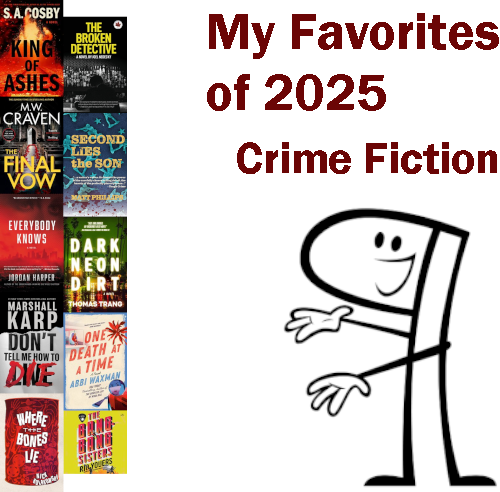
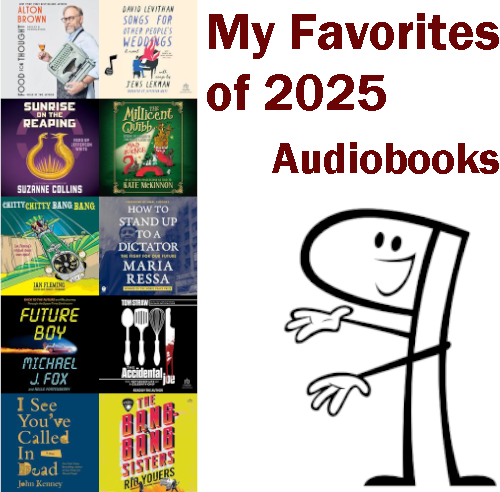
Finally, we’re at the end of my 2025 wrap-up. Thanks for sticking with me for so long! (assuming you have). I’ve taken to considering this genre apart from everything else when I put together my Favorites Lists, or just about everything else would get ignored. Even if I went with a Top 20 instead of a Favorite 10, maybe 5 books from the previous lists would’ve made it along with all of these. Maybe.
Once again, I’ll note that I limit my lists to things I read for the first time. Yes, there are some author names on here that have been on a couple of these lately. Under half the list. It wouldn’t surprise me if any of these showed up in the years to come. I might have to retire some authors from consideration. Maybe this list should be renamed “S.A. Cosby, M.W. Craven, and some others.”
As always, re-reads don’t count for these lists.
(in alphabetical order by author)
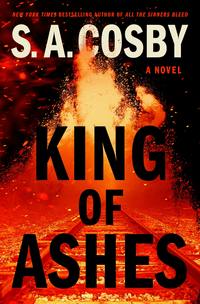
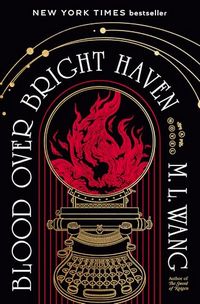
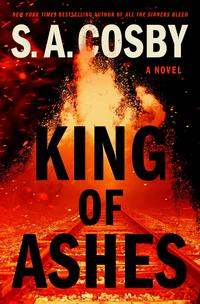 King of Ashes
by S.A. Cosby
This was a twisted, gripping, read about a group of siblings trapped (and shaped) by a shared trauma from their childhood. Now adults, they find themselves trapped in a deal with a local gang of drug dealers, and the only way out may be to become worse than them. Told with Cosby’s signature style and humanity, this will leave you in a daze.
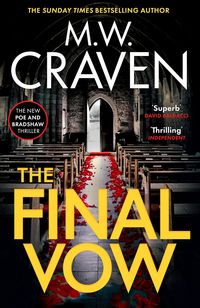 The Final Vow
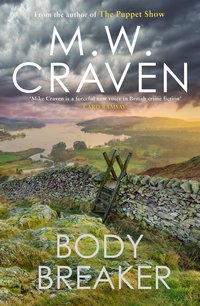
by M.W. Craven
This is a lighter book than the last couple of Poe and Tilly novels–but that doesn’t make it less compelling to read. Just a little more fun, and probably won’t leave you haunted and unable to get a good night’s sleep right away. It definitely sets a new direction for the series. But none of that matters. This is M.W. Craven at the top of his game–he sets a puzzle worthy of Poe and Tilly, puts some big obstacles in their way, and let’s the reader sit back and revel in it. Who could ask for more?
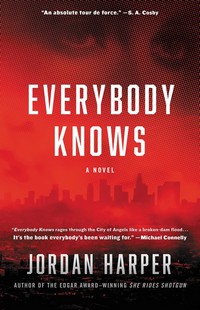 Everybody Knows
My original post
This is one of the best and starkest depictions of human depravity and the dangers those who dare to stand against it will face. The only thing that makes this experience entertaining is Harper’s prose and fantastic pacing. It left me speechless.
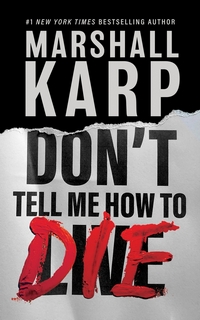 Don’t Tell Me How to Die
My original post
This is a devilishly clever story that’s also emotionally effective. I mean, part of the book’s premise is that the protagonist’s mother died young. Early in the novel, we flashback to that, and I got choked up. I knew the woman was dead before I started the book, and it still got me. Just imagine what the book did to me by the end. As far as the rest of the story goes–the less I say, the better it is for a potential reader. But it’s a doozy–a new kind of story for Marshall Karp and just as good (if not better) as his previous best.
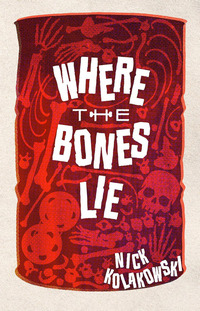 Where the Bones Lie
My original post
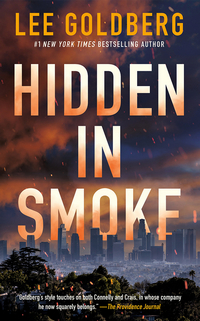
Kolakowski brings us a little L.A.-noir here with this book–a former Hollywood fixer gets a shot at a new life when someone hires him to find out why her father died many years ago. The interplay between the protagonists is great to read, the mystery is compelling, and the contemporary California-ness of the setting is so real (geographically, environmentally, and in the entertainment industry). It’s a really strong work from Kolakowski.
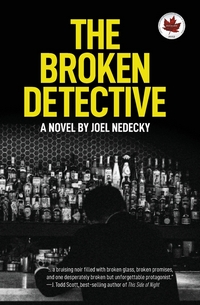 The Broken Detective
by Joel Nedecky
My original post
We move from L.A.-noir to Winnipeg-noir, which is a thing (apparently). This tale of broken detectives hunting for one particular broken woman in the midst of crime, corruption, and the worst of humanity grabs you in the first couple of pages and won’t let go until a couple of days after you finish. It’s one of the most satisfying endings I read last year, too.
 Second Lies the Son
My original post
Here’s another haunting read–Matt Phillips is one of those writers that I just want to read the prose of. The plot and characters don’t matter as much to me as the experience of reading Phillips. But, he always comes through with characters and plot that matter as much as you want, too. This is a fast, lean novel that will leave you moved (disturbed might be a better word) and chewing on it for days.
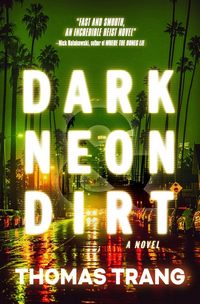 Dark Neon & Dirt
by Thomas Trang
My original post
And now we’re back to L.A.-noir…Trang’s debut is the kind of assured, nervy book that is a delight to find. You’ve got dirty (or at least compromised) cops, professional thieves, and a collection of coincidences that entwine them in more ways than they find comfortable. The diallogue is fantasitc. The whole things feels like a slick Winslow novel as cool as Miami Vice was at its height.
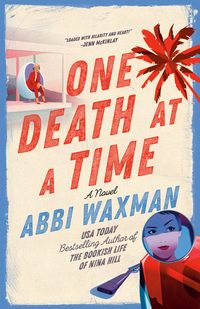 One Death at a Time
by Abbi Waxman
My original post
Abbi Waxman’s first mystery novel proves (to me, anyway) that she can write anything. The mystery portion of the novel is really well done; the characters are well-designed and well-executed, the relationships between them are strong and obvious—you like the people you’re supposed to like enough that you wish you sat around the room with them, watching them go back and forth Also, it’s funny. That’s a one-two-three combination that I’ll always enjoy and recommend.
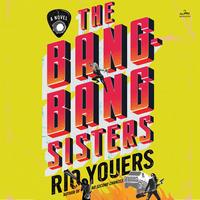 The Bang-Bang Sisters
by Rio Youers, Kristen Sieh (Narrator)
My original post
This rollicking adventure captures the spirit of music and live performance (and inter-band dynamics) as…well, any rock novel I can think of. There’s a serial killer equal to Francis Dolarhyde; a violent, kill-or-be-killed, “game” as nasty as Chain-Gang All-Stars; and three great women characters with all the style, skill, and general badassery as The Deadly Viper squad–all in a book with the violence level equal to—if not greater than—Kill Bill, Vol. 1. It’s got the pacing of a classic rock song—with occasional bursts of speed metal–it’s fast, it’s furious, it’s bloody, it’s raw emotion, it’s dangerous. It is so much fun. It is Rock and Roll.
A few books that almost made this list, and I want to be sure to mention:
Mississippi Blue 42 by Eli Cranor; Medusa Protocol by Rob Hart, Righteous Trash by Nick Kolakowski; and The World Entire by Jo Perry.

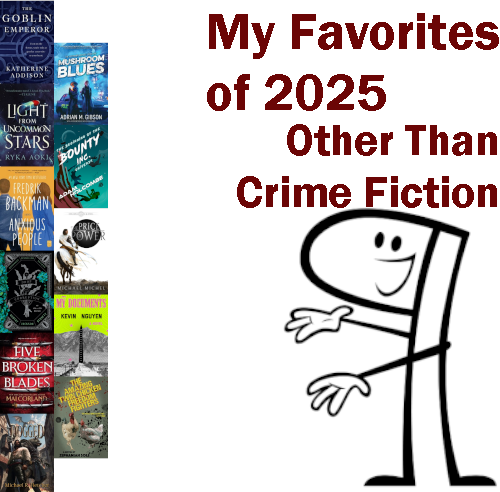
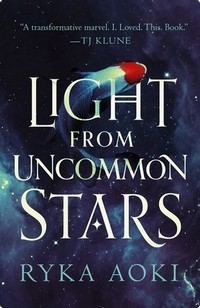
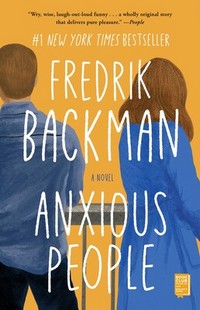
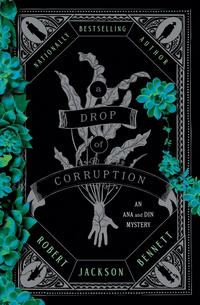
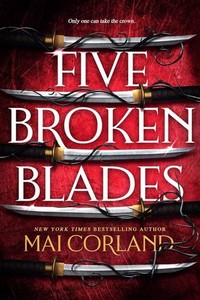
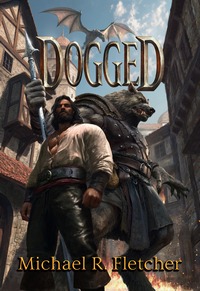
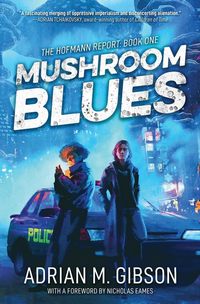


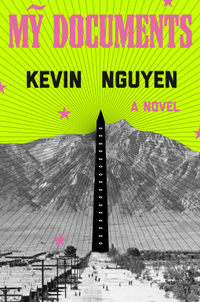
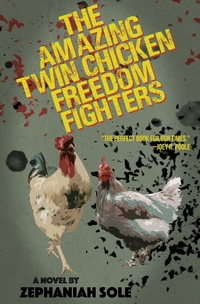

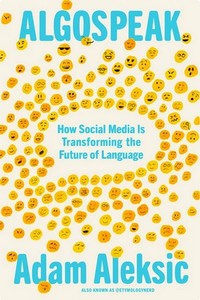
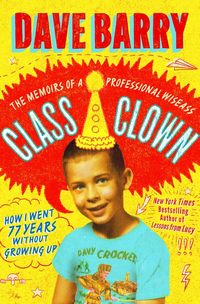

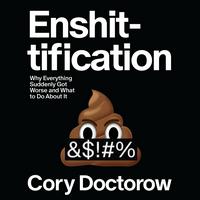
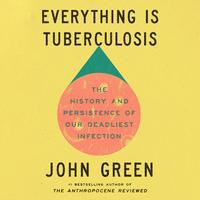
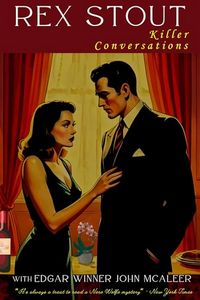
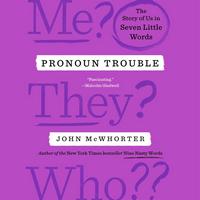
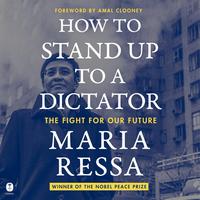
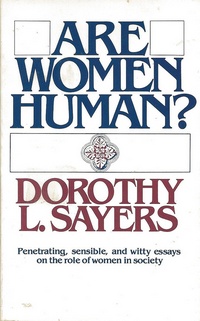
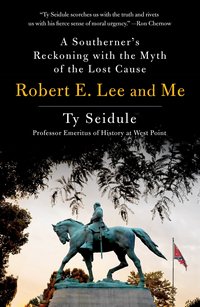

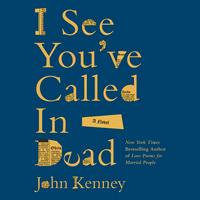
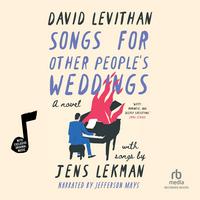
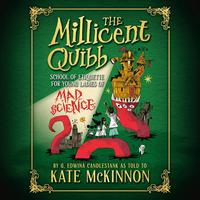
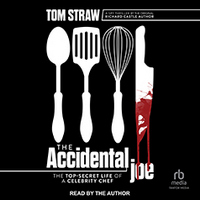
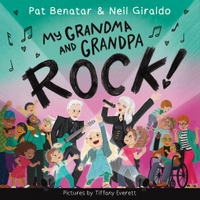
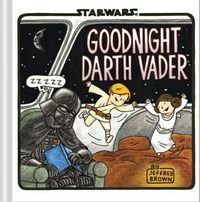
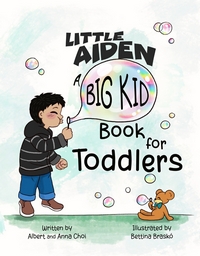
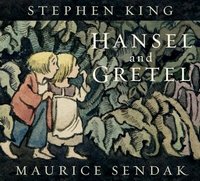
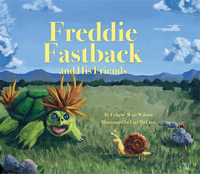
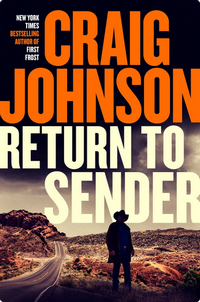
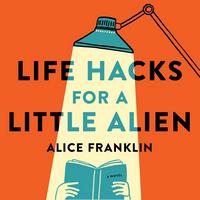
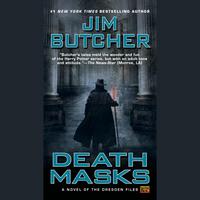
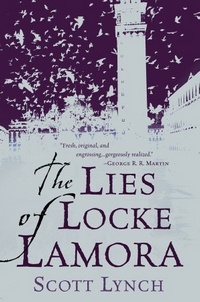
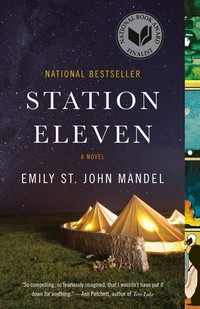
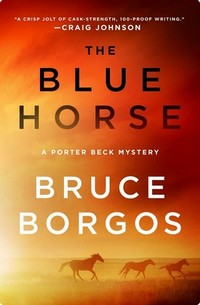
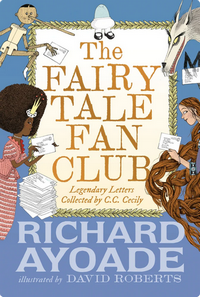
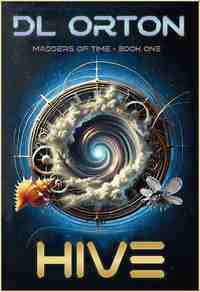
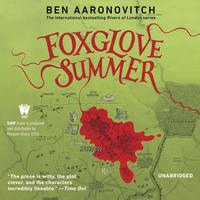
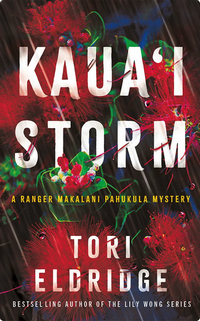
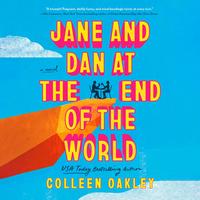
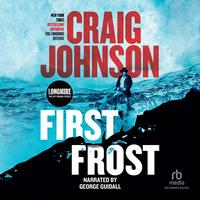
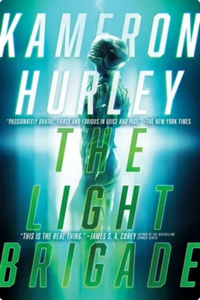
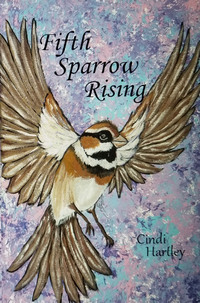
 I’ve posted favorite Picture or Children’s books before, but now that I’m a Grandfather, I’m thinking about these things more. So, it’s not unusual for me to read these kinds of books, but I’m doing more of it. I fully expected this post to be larger this year–but there were fewer new-to-me reads and many, many re-reads (which I really should’ve anticipated). Anyway, here are the books that really stuck with me and struck me as ones to keep talking about.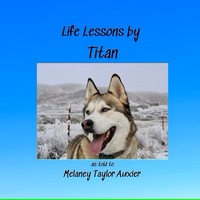














My Favorite Theology/Christian Living Books of 2025
By HCNewton
On January 11, 2026
In News/Misc., Theology/Christian Living
It’s finally time to wrap these lists, with my favorites in Theology and Christian Living (and related things). There’s some overlap in some of these titles, which just shows what kinds of things I was thinking about this year, I guess. I didn’t read as many books along these lines as I expected to/usually do–mostly because the ones I did read took some work to get through (and I had too many “project reads”). But these would’ve floated to the top in any year.
As always, re-reads don’t count for these lists.
(in alphabetical order by author)
by Michael P. V. Barrett
Barrett writes brief devotional meditations on some Old Testament passages (I’m not sure how brief because I read electronically, but they didn’t take terribly long to read). Which is good enough for a book–but Barrett writes with a depth that I don’t think I’ve come across in a devotional before. He gets to the heart and the nitty-gritty of the passages he looks at–and writes in a way that the reader will find application for their life, understanding of the passage, and a new/renewed reason to worship and serve the One who bought them.
The only thing that impressed me–almost every week–as much as the content was Barret’s ability to accomplish it so briefly.
by Mitchell L. Chase
My original post
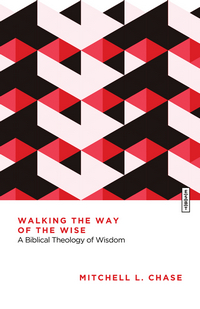
I personally benefited from Chase’s definition of “wisdom” and how to find it in Scripture. I really appreciated his unwillingness to make Proverbs, Ecclesiastes, Song of Songs, and James the epicenter of his discussion, but to look for it throughout the Scriptures (see above). Tackling the topic of wisdom from a Redemptive Historical point of view rather than a Systematic perspective (which is what I’m used to, as I expect most are), really helped me to see the breadth of it—and even to help with my Systematic understanding of it (as it should).
All in all, this is a truly helpful and insightful read.
Why the Love of Money Is the Root of Racism and How the Church Can Create a New Way Forward
by Malcolm Foley
I’ve tried on at least four occasions to write a post about this book, and keep failing. I’m going to keep trying, but in the meantime, I’ll just say that this is one of the best books I read in 2025 regardless of genre/topic. Foley starts with Ida Wells’ point tying racism to money, and expands on that. He traces the connection between the love of money (which we know to be the root of all sorts of evil) and racism/racism-friendly policies and attitudes throughout U.S. History–particularly after the Civil War. And how the Church, to her shame, participates in those.
Then he points the way forward–using a variety of theological tools. Including the Westminster Larger Catechism’s teaching on the Eighth Commandment. It’s inspiring, it’s convicting, it’s full of hope.
by Carmen Joy Imes
My original post
Is this the most rigorous, robust work that I’ve ever read on The Church? No. Is this the most technical, theological work I’ve come across? No. Did this take a lot of effort to get through? No (and what a relief). Is this perhaps the most passionate work on the subject I’ve read? Yes. Is it perhaps the most persuasive about the need for individual believers (particularly in an individualist culture) to be involved with the Church? Also, yes.
It’s warm, it’s approachable, it’s learned in a non-off-putting way. Imes is a great guide through the topic and a fun companion through the stroll. She pointed out some things I hadn’t thought of before—and helped me grasp a couple of texts that I’ve struggled with for years.
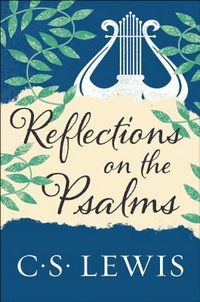
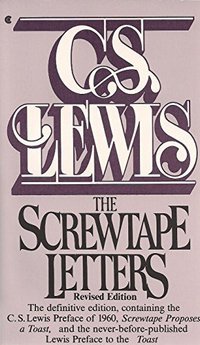
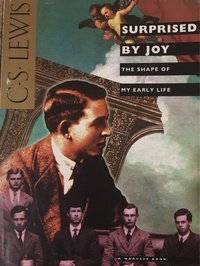
by C. S. Lewis
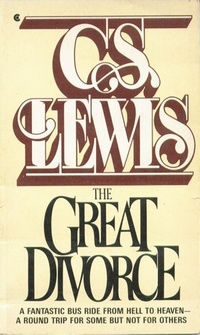
There’s a lot of this book that I disagree with–but I appreciate the way that Lewis got to his conclusions. I also admit that Lewis might be closer to right than I am on those points. But the opening letter on prayer is one of the best things I’ve read on the topic, and while the rest of the book doesn’t reach those heights, I truly enjoyed and benefited from considering them. This is one of those books by him I hadn’t gotten around to reading in the past until my little Lewis-immersion project last year. It won’t be the last time.
by Zacharias Ursinus
As this is written by one of the chief authors of the Heidelberg Catechism, it’s impossible to get a more authoritative take on it. This is essentially the director’s cut of the catechism. Sure, we all know the answers, but how’d you get to that answer? Well, you think like so….
This is a treasure for anyone trying to understand and use the Heidelberg Catechism for personal use or for trying to raise the generation to follow.
by Drew Poplin
My original post
I hate the fact that books decrying the sin (or, in Poplin’s argument, heresy) of racism need to be written now. But the need for them is pretty clear to anyone in the American Church. This brief (perhaps too brief) book is a compelling read, calling racism what it is, an attack on God and His creation. Convicting, and hopefully convincing. It’s well worth the time to read.
by O. Palmer Robertson
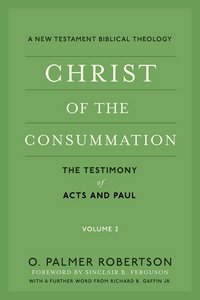
Did this floor me as much as the first volume of this set (on the Gospels) did? Nope. But am I going to study Acts or Paul’s letters without consulting this in the future? Bigger nope. Robertson first traces the development of revelation and the Church’s understanding of it through Acts, then he spends the bulk of the book watching Paul’s themes develop and change over the course of his career–never contradictory, never inconsistent, but starting with certain emphases that develop into new ones given the events of his life and the needs of the Church throughout the First Century. It’s really a handy book to work through and to keep on hand for future use.
by Mikel Del Rosario
My original post
Del Rosario’s approach to the subject alone could put him on this list–let’s take an in-depth look at two passages and see what Jesus is claiming for himself in both. Let’s consider what the original audience heard–and seek to understand that by the way they reacted. Then let’s consider the implications of both. Del Rosario writes clearly and compellingly. The text—even when it gets technical—is straightforward and approachable by people who aren’t historical scholars.
Not only does reading this help buttress the confidence a reader has in the passage and Jesus’ claims in them, but Del Rosario gives his readers a model to follow when they come across similar passages.
by Cornelius Van Til
My original post
This is some pretty clear writing from a man widely considered not to be terribly clear all the time. Some of the commandments don’t get the same level of attention as others–and it makes sense given who Van Til is and his own driving focus.
It’s a very sound introduction, in line with the bulk of the Reformed stream of thought on the Law and its usage from the time of the Reformation forward. But a little more approachable given the length and the fact it was written in the 20th Century.