Category: Science Fiction Page 12 of 37

Clearing the Deck II: Tweet-length thoughts about books I can’t find time to write about

I did this back in January 2020, and need to do it again.

I frequently mention how looming Mt. TBR is getting for me, but what’s worse is my “To Write About” pile, I know I’m never going to catch up with that properly and it bugs me to no end. But in the interest of something being better than nothing, a dash of realism, and a heavy dose of self-care, I’m cutting myself some slack. So I’m clearing the deck of everything from 2020-2022 that I haven’t made time for. This was painful to do, I was looking forward to writing about most of these, and I have so much that I want to say. But I’m just not going to get to them—and other books are starting to pile up, too. So, in 144 characters or less, here’s me cutting myself some slack.

How bad am I at keeping up with my To-Write-Titles? I put together the list of books for this post in January 2023. And am just now getting to it. I wish that was a joke.

(Click on the cover for an official site with more info)
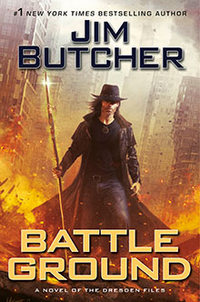
Battle Ground
5 Stars
Battle Ground by Jim Butcher
I just can’t talk about this one yet. I need more time. (yeah, they’re fictional characters, but I’ve spent too long with them to not be reeling)
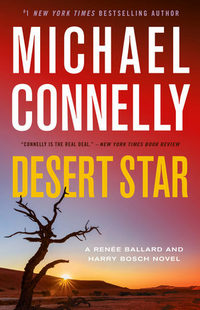
Desert Star
3.5 Stars
Desert Star by Michael Connelly
Loved it while reading it. But I have more and more questions about all of it the longer I think about it. Not Connelly’s best but well worth it
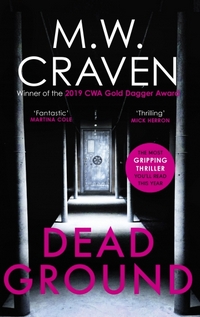
Dead Ground
5 Stars
Dead Ground by M. W. Craven
Not a typical Poe and Tilly case, just as good and gripping as the rest though.
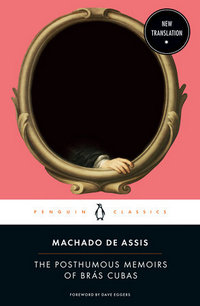
The Posthumous Memoirs of Brás Cubas
3.5 Stars
The Posthumous Memoirs of Brás Cubas by Machado de Assis, Flora Thomson-DeVeaux (Translator)
A strange and somewhat humorous look at a ghost’s POV on his life. I want to read it a few more times to really get a handle on it. Heckuva read
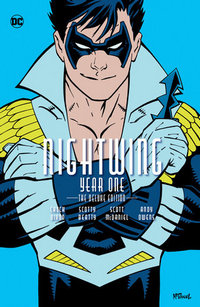
Nightwing: Year One Deluxe Edition
5 Stars
Nightwing: Year One Deluxe Edition by Chuck Dixon
If there’s a better Nightwing writer out there, I’d like to see it. A great, great, great telling of his origin.
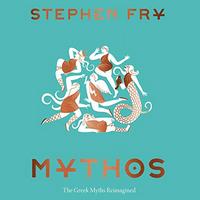
Mythos
3 Stars
Mythos by Stephen Fry
Drags a little. Wish he could pick a tone for his retellings/commentary on the classic stories. Still, it’s Stephen Fry talking—worth the time.
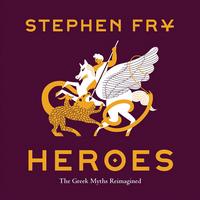
Heroes Mortals and Monsters, Quests and Adventures
3.5 Stars
Heroes: Mortals and Monsters, Quests and Adventures by Stephen Fry
See above, but felt it dragged a bit more.
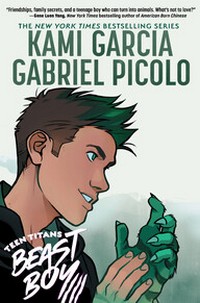
Teen Titans Beast Boy
3.5 Stars
Teen Titans: Beast Boy by Kami Garcia,
Gabriel Picolo (Penciller)

A solid, believable update of Gar Logan’s backstory. Very promising follow-up to the Raven book. Really impressed with Picolo.
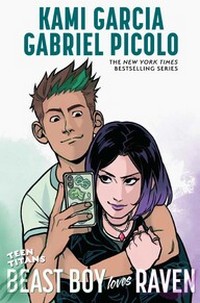
Beast Boy Loves Raven
3 Stars
Teen Titans: Beast Boy Loves Raven by Kami Garcia,
Gabriel Picolo (Penciller)

Bring the two together and it’s even better. I’m curious about the overall story, but would read just them being awkward together. Like the art.
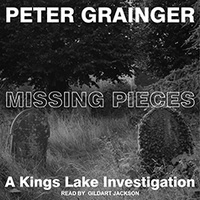
Missing Pieces
4 Stars
Missing Pieces: A Kings Lake Investigation by Peter Grainger, Gildart Jackosn (Narrator)
The Murder Squad tackles a cold case and is as excellent as ever. I don’t know how to talk about this series w/o being redundant. I want more!
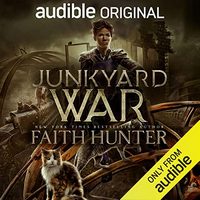
Junkyard War
3.5 Stars
Junkyard War by Faith Hunter, Khristine Hvam (Narrator)
This was utterly fine. A lot didn’t go the way I expected. But I’m still in this series for the long haul.
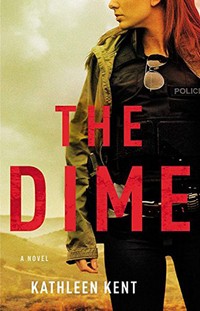
The Dime
4 Stars
The Dime by Kathleen Kent
One of the best first chapters ever. The rest is pretty good. Not sure I buy the motive for the murders, nor that I want to see what comes next.
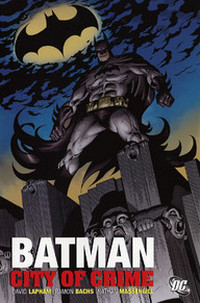
City of Crime
3.5 Stars
Batman: City of Crime by David Lapham
If you buy (I can’t) Batman losing sight of his mission, this story about him recovering it is great. If you can’t…well, it’s pretty good.
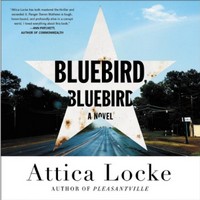
Bluebird, Bluebird
5 Stars
Bluebird, Bluebird by Attica Locke, J.D. Jackson (Narrator)
A stunning work of fiction. Words fail me. A deeply compromised Texas Ranger tries to solve a potential hate crime and keep his job.
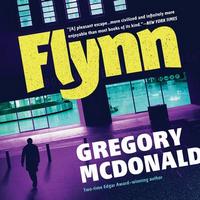
Flynn (Audiobook)
5 Stars
Flynn by Gregory McDonald, Donald Corren (Narrator)
I expected the Fletch narrator for some reason, but Corren won me over in minutes. One of my favorite novels of all-time. Great audio version.
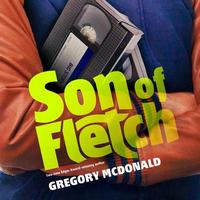
Son of Fletch
3.5 Stars
Son of Fletch by Gregory McDonald, Dan John Miller (Narrator)
Oh, I wanted to love this. But I just liked it. I’ll probably hear Miller in my head anytime I read Fletch in print.
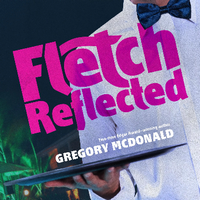
Fletch Reflected
3 Stars
Fletch Reflected by Gregory McDonald, Dan John Miller (Narrator)
This is not the way the series should’ve ended. Some fantastic moments, but not sure it was worth it. Miller was solid as always.
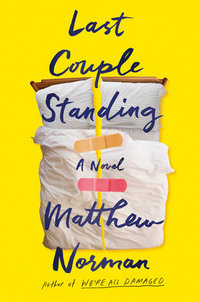
Last Couple Standing
4 Stars
Last Couple Standing by Matthew Norman
Norman’s best female characters (to date). Stupid premise, but it almost convinces me to like it by the end. Lots of great moments.
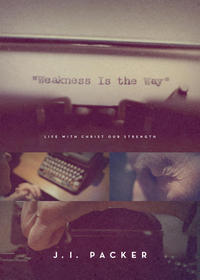
Weakness Is the Way
3.5 Stars
Weakness Is the Way: Life with Christ Our Strength by J.I. Packer
Packer’s great on 2 Corinthians and what Paul tells about weakness as a way of life for the Christian.
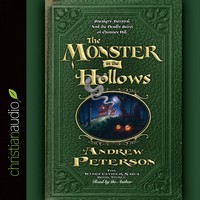
The Monster in the Hollows
3 Stars
The Monster in the Hollows by Andrew Peterson
I’m not sure I loved the way the story went in this one, but I grew to appreciate it. Characters are still great.
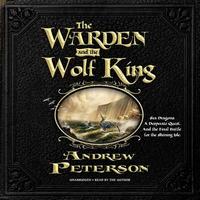
The Warden and the Wolf King
4 Stars
The Warden and the Wolf King by Andrew Peterson
Whatever my misgivings about the last one, this was the right way to end the series. Just what I wanted (if mildly predictable)
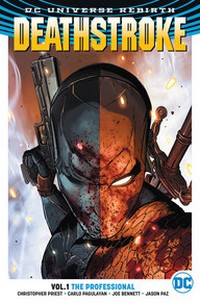
Deathstroke: The Professional
3 Stars
Deathstroke, Vol. 1: The Professional by Christopher J. Priest
I prefer the version Wolfman and Perez initially told about his origin, but this ain’t a bad version. And I see why it was necessary. Good ’nuff
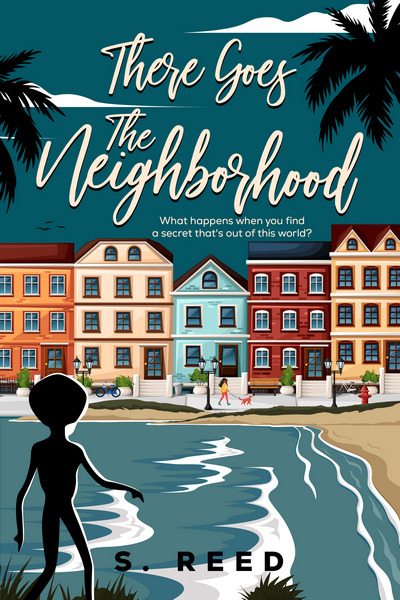
There Goes the Neighborhood
1 Star
There Goes The Neighborhood by S. Reed
I stopped working with a book tour company because they wouldn’t let me be honest about this book ever. So I won’t be. Loved ALL of it. <3<3<3<3
Percy Jackson's Greek Gods
3 Stars
Percy Jackson’s Greek Gods by Rick Riordan, Jesse Bernstein (Narrator)
If Percy Jackson edited D’Aulaires’s book you’d get this. A great way to introduce the myths to young readers. Bernstein is a spot-on Percy.
Percy Jackson's Greek Heroes
3.5 Stars
Percy Jackson’s Greek Heroes by Rick Riordan, Jesse Bernstein (Narrator)
See above, but with heroes.
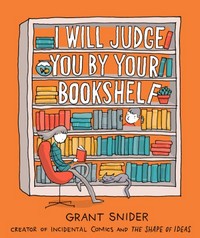
I Will Judge You
3 Stars
I Will Judge You by Your Bookshelf by Grant Snider
If someone looked into my brain, took all of my ideas and feelings, and improved them, you’d get this book. But only one-third as good as this.
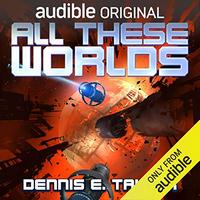
All These Worlds
3.5 Stars
All These Worlds by Dennis E. Taylor, Ray Porter (Narrator)
Taylor and Porter are unbeatable together. This is funny (duh), and the grief and sadness are real. As is the anger. Is the ending too easy?
The Fellowship of the Ring
5 Stars
The Fellowship of the Ring by J.R.R. Tolkien, Andy Serkis (Narrator)
Serkis nails the narration (as you’d expect). Is there a better first book of a series in Fantasy?
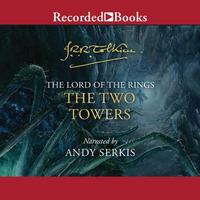
The Two Towers
4 Stars
The Two Towers by J.R.R. Tolkien, Andy Serkis (Narrator)
Serkis is tremendous here. This whole book is ridiculously good.
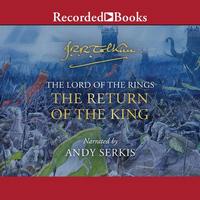
The Return of the King
5 Stars
The Return of the King by by J.R.R. Tolkien, Andy Serkis (Narrator)
One day the pacing on this won’t surprise me. The book gets better every time. Serkis was phenomenal.
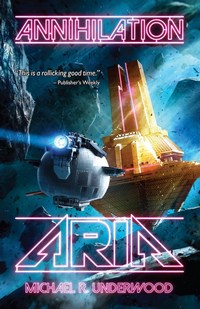
Annihilation Aria
4 Stars
Annihilation Aria by Michael R. Underwood
Found family stars in this fun, space opera about archeologists fighting an empire.
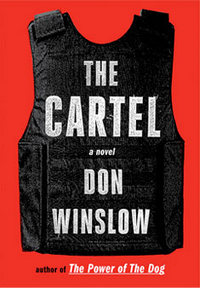
The Cartel
5 Stars
The Cartel by Don Winslow
The best of the trilogy. Shocking. Moving. Gripping. All-too-real—if you told me this was non-fiction, I’d almost believe it. A true classic.

My Favorite Non-Crime Fiction of 2023

2023 Favorite Non-Crime
Back when I started this site, I knew the content would be largely “genre”-oriented. I’d have wagered the content would be roughly 1/3 Mystery/Detective fiction, 1/3 Urban Fantasy, and slightly less than 1/3 SFF, with “non-genre” fiction, humor, and non-fiction being enough to make my one-thirds just an approximation (honestly, if you asked me what I read regularly, that’s pretty much how I’d describe it today). Actual numbers show that’s wrong—it’s typically almost 40% Crime/Thriller Fiction, the rest of fiction is around 30% combined. This is just a long-winded way to get to these two points: because Crime Fiction takes such a big chunk of my reading, it gets its own “Favorite” list, but none of the others really garner enough numbers for their own.

When it comes to this particular list of favorites this year, it was harder than I expected. I got it down to 17 with relatively no problem. But trimming those last 7 was difficult. I waffled a bit—and considered a top 15, but I talked myself out of it and have a list of 10 favorite non-Crime Fiction Novels of 2023 that I really like. Hopefully, you will, too.

As always, re-reads don’t count—only the works that were new to me.

(in alphabetical order by author)

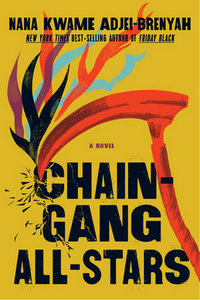
Chain-Gang All-StarsChain-Gang All-Stars

by Nana Kwame Adjei-Brenyah

My original post
If there’s a book I’ve recommended more frequently this year, I can’t think of it. I’ve also bought more copies of it to give away than any other. At the core, this is a satire and critique of the American culture–particularly as it relates to sports, mass entertainment, and (most importantly) the carceral system. Pitting convicted felons against each other in gladiatorial fights-to-death, selling merch featuring them, turning them into Reality TV personalities between bouts…Adjei-Brenyah holds up the worst of the US to look at.

It’s a book about death—violent death at the hands of violent people who only hope to go on so they can kill again—However, in a serious way the book is really about life. It’s a celebration of life, a call to protect it, a call to see it for what it is. It’s a reminder that “where life is precious, life is precious.” It’s impossible to read this without being moved–perhaps to action. But it’s also a visceral and exciting read that can entertain you without forcing you to think deeply about what it wants you to.

(I don’t know why I knocked it 1/2 a star at the time…I can’t think of a reason for it now, but…)

4 1/2 Stars

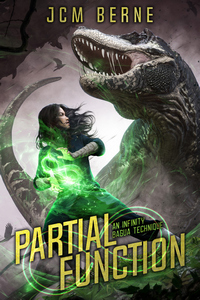
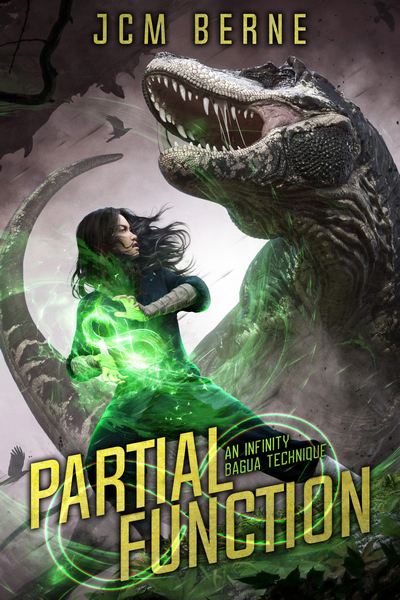
Partial FunctionPartial Function

by JCM Berne

My original post
This has none of the socially redeeming characteristics of the above book. But it does have wuxia-inspired magical martial arts, super-powered dinosaur-like monsters, a John Wick/Bryan Mills character if played by Michelle Yeoh, and snappy dialogue. It’s a story about a retired warrior who gets back to work so she can rescue her kidnapped daughters and the wake of destruction that follows (a mighty wake it is, too). And it’s just fun from beginning to end.

5 Stars

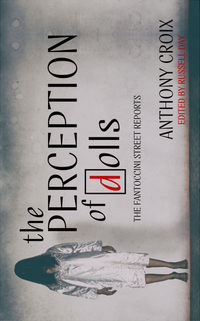
The Perception Of DollsThe Perception Of Dolls

by Anthony Croix, Edited by Russell Day

My original post
I did an inadequate job of describing this book and what I was blown away by in 15 paragraphs. There’s no way I’m going to manage it in the 1-2 paragraphs I give myself for this.
I’m dazzled by this book. I was hooked to an extent I’m not used to. I was captivated. I was (at least momentarily) obsessed with it. That’s worn off in the 50 weeks it’s been since I’ve finished, but it would take me no more than 5 pages of a re-read to get back to that. This is a recounting of one investigative reporter’s look into a triple homicide and attempted suicide in a home, the paranormal research that occurred in that home decades later, and the very strange (to put it mildly) things that happened to everyone involved in both of those things.

Russell Day takes you on a ride that you will find difficult to articulate (which is fine, he does a fine job of it on his own) and that will linger in the back of your mind for a long time.

5 Stars

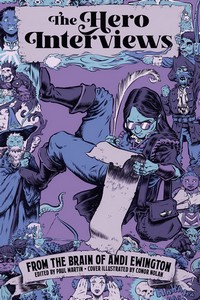
The Hero InterviewsThe Hero Interviews

by Andi Ewington

My original post
The child and sibling of heroic adventurers, Elburn Barr, has taken a different path in life—one fit for someone with his particular set of skills (or lack thereof). He is a Loremaster—no spells, weapons, or danger for him, thank you very much. At this point in his life/career, Elburn has set out to understand what makes a hero tick—what is it that drives them, what early influences molded them, how do they keep going on? Does it vary from type to type? Are Barbarians made of different stuff from a Cleric or a Thief? What about a Ranger or a Wizard? In addition to interviewing various leading examples of each type of hero, he talks to non-heroes, too. Like a farmer whose farm was saved(?) by some heroes from a dragon, the curator of a hero museum, people who run/design dungeons, etc.

This is a novel trying to look like a series of comic episodes/scenes/lines. It takes a while to see the plotlines emerge—it really does seem to be a light-hearted look at D&D clichés, stereotypes, tropes, etc. at the beginning—but eventually, you start to see the story arcs emerging and even start to see the protagonist grow and develop. That’s something I didn’t expect to see when I started reading this because I did think it was just a series of comedic bits. It’s hard to tell if Ewington is more interested in telling a story or making his jokes—in the end he gives you enough of both that the question is academic.

4 Stars

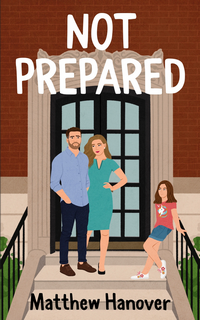
Not PreparedNot Prepared

by Matthew Hanover

My original post
Hanover’s fourth novel is the first to have a protagonist outside of their 20s, and the added maturity pays off. While this book is at heart a Rom-Com, the romantic story takes a backseat to the love story between the girl who needs a family and a bachelor who didn’t expect one. There’s still plenty of “rom”, and a good amount of “com” of a handful of stripes (particularly when it comes to a single man being thrust into dealing with a young girl at the cusp of puberty)—but there’s a lot more, too. Told with Hanover’s trademark wit, charm, and grace—prose that moves so smoothly you don’t realize how long you’ve spent sucked into his book. The emotions are real and grounded—both positively and negatively. His depictions of anxiety really impressed me, and there are scenes that got me choked up.

4 1/2 Stars

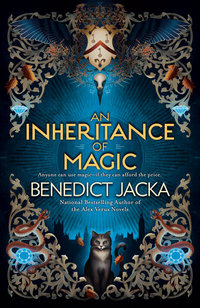
An Inheritance of MagicAn Inheritance of Magic

by Benedict Jacka

My original post
Any fears anyone had about Jacka’s post-Alex Verus career should have been assuaged by this book. It’s an introduction to a new kind of magic, a new kind of magic society, and a protagonist who is so different from Verus that you wouldn’t guess that Jacka wrote it if you didn’t have his name all over the place. This is kind of the reverse of the Hanover book—Jacka moves on from a mature character who knows his place in the world to one who is immature, unsure of his own abilities, and a complete beginner to the magical society of England (and, presumably, the rest of the world). And Jacka nails all of it. I couldn’t believe how easily I took to this world and I anticipate getting more immersed in it.

4 1/2 Stars

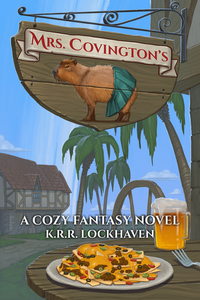
Mrs. Covington'sMrs. Covington’s

by K.R.R. Lockhaven

My original post
The thing with Cozy Fantasy is that the plot comes second (if not tertiary) to things like character and atmosphere. Mrs. Covington’s shines here–it’s such a pleasant, comfy atmosphere that it trumps everything else. A treasure hunt with the staff of the friendliest bar this side of Cheers! might be the plot of this cozy fantasy novel. But the book’s core is kindness, community, optimism, and helping. Also, Nachos. Brought to you in a great fantasy world with a light and engaging voice, Mrs. Covington’s will leave you snug and content.

4 Stars

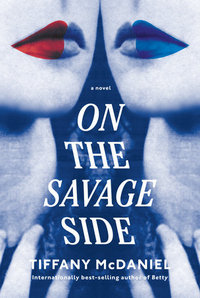
On the Savage SideOn the Savage Side

by Tiffany McDaniel

My original post
This was just a brutal read. Every time you get a glimmer of hope, a glimmer of a feeling that things might be okay for some of these characters—something snuffs it out. But there’s another source right around the corner. But there’s beauty in the darkness. And a drive to keep persevering shared by the reader and the characters. I wondered more than once why some of them kept trying—but they did. There’s a serial killer on the loose, and a good deal of the plot is about that. But this isn’t about the hunt for the killer or anything like that. It’s a novel about the women who may be his target and their fears about it. It’s also about the rest of their lives—how they got to the point where the killer might be hunting them and what might happen if they get out of there.

Like always, Tiffany McDaniels delivered a book that’s going to stay in my subconscious for a while—lurking there, making me rethink what I read from time to time. It’ll probably stay there until her next novel comes along (Betty‘s been there for a couple of years, and really only was dislodged by this one—and The Summer that Melted Everything is still there all these years later). It’s somber, it’s sober, and it’s difficult to read. But it’s so worth it in ways I cannot adequately explain. It’ll make you think. It’ll make you feel.

4 1/2 Stars

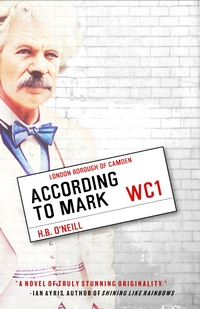
According to MarkAccording to Mark

by H. B. O’Neill
Unlike the first 8 books on this list, I haven’t written anything about this until now. The pitch I was given about the book was, “It’s about a love affair gone wrong and a guy who’s obsessed with Mark Twain who becomes a voice in his head that eventually leads to Twain pushing the fella towards suicide.” I don’t know if this makes it sound appealing to you or not. So let me say this: If Chain-Gang All-Stars is the book I’ve recommended most this year, then According to Mark is in 3rd or 4th place. Given that I read it at the end of November, that tells you how much I’ve been talking about it lately. It’s comic. It’s dark. It’s disturbing (on more levels and in more ways than I can describe). There’s a fantastic and real love story in the center of it. It’s heartbreakingly sad. If you’ve read anything like this before now, I’d be surprised (and I want to know what it is!), but you’re going to want to read this when it’s published soon.

There’s more I should say, but I’m going to do it in a longer format.

5 Stars

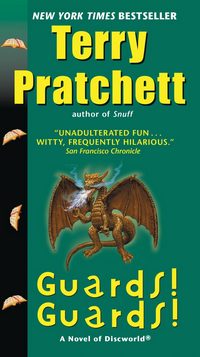
Guards! Guards!Guards! Guards!

by Terry Pratchett
I spent some time earlier this fall asking for recommendations to get me to give Discworld another shot—and overwhelmingly, this book was recommended to me. Everyone who did that was utterly correct. It’s one of the best mixes of story and comedy that I can recall reading and I can see after a re-read or two (which it’ll almost certainly get from me) that at least one book in this series within the Discworld series is going to end up in my pantheon of comedic greats. I’m working hard to ensure I get to the rest of these in 2024 because now that I understand what I was missing with Pratchett, I don’t want to miss out any longer.

4 1/2 Stars

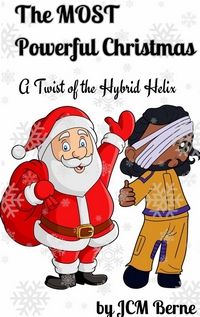
The MOST Powerful Christmas by JCM Berne: The Best “Superhero Christmas Story Written by a Jew about Hindus Saving the Holiday” You’ll Read All Year

The MOST Powerful ChristmasThe MOST Powerful Christmas

by JCM Berne

DETAILS:
Series: Hybrid Helix
Publication Date: The Gnost House
Publication Date: December 10, 2023
Format: eBook
Length: 58 pgs.
Read Date: December 9, 2023

“Can I buy you a drink?”

Rohan hung his head and weighed his options. I could give the predictable, yet overly pedantic response, and say, ‘I don’t know, can you?’ But I think I’ve beaten that joke to death. Then brought it back to life and killed it again.

I could also just refuse, but I don’t want to be rude. Do I?

Or I could let this guy buy me a drink and get pulled into some incredibly sad story of tragedy or revenge or something else where only my help can restore justice or protect his species or save his planet and then I wind up losing another eye fighting someone else’s fight.

Hold on, was this guy talking to me in English?

What’s The MOST Powerful Christmas About?

It’s not often that a Christmas story starts with an opening line like that. Particularly not one starring Santa Claus himself. But isn’t it about time that more do?

Santa has been sent to Rohan for some advice. He’s disillusioned with the whole Christmas thing–or at least his role in it. He’s tired of the creed, the commercialization, the spoiled kids getting more spoiled and the poor kids getting very little, if anything. He’s tried drinking, and other non-St. Nick-like activities to help his spirits, but it’s just no use. He even found a Gideon Bible in a hotel room, and that just made it all worse (but provides a good line about Nakatomi Tower).

Rohan realizes that Christmas is in trouble–and hero that he is, comes up with a way to save the day, help out millions of children, and even bring back a twinkle to Santa’s eye and some merriness to his dimples. IF the two of them–and some friends–can pull it off.

The Chimney Explanation (et cetera)

One thing I really appreciate about most modern takes on Santa is the explanations for how he can gain entrance to a home (particularly those with small and/or non-existent Chimneys) and make it to every home in one night. Well, I appreciate the good ones–I get judgemental about others.

I particularly enjoyed the way Berne’s Santa gives Rohan and the rest a peak behind the curtain and spells out his magic. There’s enough logic and science-y gobbledygook mixed in to make it work. It’s playful and yet consistent with the world of Hybrid Helix.

So, what did I think about The MOST Powerful Christmas?

Kris smiled. “You like to make jokes.”

“It’s my one character flaw. Also excessive humility. And counting.”

I’m not saying that JCM Berne is up there with Irving Berlin or Johnny Marks (yet, anyway), but he does fit right in with the number of Jewish writers do a great job of capturing the essence of Christmas.

Ultimately, this is like one of those sit-com Christmas specials where Santa is brought before Judge Harold T. Stone, gets held over for psychiatric care, and strange things start to happen. Or when Tim Taylor and his family hear footsteps on the roof and some bells jingling.* It’s a cute time of holiday cheer and reflection on what the civic holiday means (and how it does/doesn’t match the lifestyle urged by its namesake). Apparently, it is canonical, so completists will want to get their hands on it–I am curious to see how/if anything that happens here shows up in future novel.

* I don’t know if either of those actually happened, but you catch my drift.

Along with the holiday cheer, you get some of that patented snappy-Berne dialogue, which is fun to read no matter the topic, a bit of Rohan in action, and North Pole-inspired ingenuity that’s as good as anything that Sarah Smith/Barry Cook or Clay Kaytis ever produced (Berne’s Santa is worthy of both of them, too). I think I would’ve preferred a little more superhero action “on screen,” but I think it fits better for it to happen off the page to keep the focus on the holiday-antics (also, it would’ve made this a novella rather than a short story).

It’s fun, it’s quick, it’s free…and this time of year, we can all use a little of all three.


3.5 Stars

Irresponsible Reader Pilcrow Icon

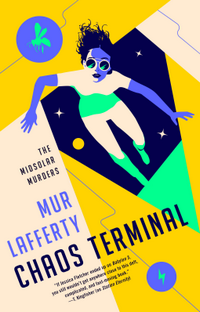
Chaos Terminal by Mur Lafferty: Not the Sequel I Expected, but the Sequel we Needed

Chaos TerminalChaos Terminal

by Mur Lafferty

DETAILS:
Series: The Midsolar Murders, #2
Publisher: Penguin Publishing Group
Publication Date: November 7, 2023
Format: eARC
Length: 384 pg.
Read Date: November 3-9, 2023
Buy from Bookshop.org Support Indie Bookstores

What’s Chaos Terminal About?

A contingent of humans is about to arrive on Eternity—a mix of scholars wanting to interact with all the alien races on board, a couple of tourists, a couple of spies, the detective who had Mallory in his sights for years, and the new ambassador to Eternity. Sadly, they arrive at a bad time—Mrs. Brown, the new host for the sentient space station has left for some training on how to be a better host, leaving Eternity functional, but not optimally so. Mallory has been left as the primary contact for Eternity (which only Mrs. Brown and Eternity seem to think was the right choice)—but she’s not quite herself once these humans arrive.

Now, as is wont to happen around Mallory, one of this group is murdered. Something is going on with the Sundry that no one can quite understand. The Gneiss outside of Eternity aren’t happy with what Tina and Stephanie did in the concluding chapters of the last book—and just might attack the station to express their displeasure. Oh, and among the newly-arrived humans are two people Mallory has had zero contact with for years—her High School BFF, Amy, and Amy’s brother, Parker. Parker is Mallory’s long-lost unrequited love, and it’s pretty clear that he’s never really put the torch he carries for her down anywhere.

Adrian

After what happened to him in Station Eternity (and what he did before that), I really thought we were done with the former ambassador, Adrian. Alas, I was wrong—he’s still around. For a guy who’s not a villain or a real antagonist, he’s really unpleasant as a character. I really wish he was something other than “the annoying human on the station.”

He’s toned down a little bit after his recent experiences, but at his heart, he’s still an arrogant twit who doesn’t contribute much of worth to anyone. At least that I can tell. I really hope that now that his replacement is on board he decides to head back to earth.

(or, fine, Lafferty does something really interesting with him in the next book would be preferable to losing him—she really didn’t this time out—but it’d have to be quite interesting not to get on my nerves)

The Killer

I want to start out by saying that I really don’t have sympathy for the killer and think things wrapped up justly for them (that’s a fairly spoiler-free way to put it, I think).

But once it was revealed what led up to the murder—and how things spiraled out of control afterward—I kind of felt bad for them. They were unknowingly wrapped up in things and fell victim to bad assumptions because of that. Yes, their reactions were utterly wrong—but I can understand how they got to the point where murder seemed like a solution. That understanding lasted until they started taking the next steps to cover up the crime and everything that ensued.

I do appreciate that Lafferty set things up that way for the killer—the alien cultures, the intrigue around the killer and the trip to Eternity, and the least-sympathetic murder victim I remember reading this year—help the reader to be ambivalent about the killer’s actions (at least initially). Not enough writers do that.

So, what did I think about Chaos Terminal?

The one thing I wish Lafferty had done differently was the humor in this book. Not that Station Eternity was a yuk-fest by any means, but there was a fairly steady stream of humor throughout—either in character moments, misunderstandings between the aliens and humans, or just the preposterous nature of Mallory’s abilities and what she did with them. The humor in Chaos Eternity was almost entirely centered on Tina. She was a walking, talking (and/or yelling) embodiment of chaos and slapstick. So much so that it started to be too much a few times (but Tina and Lafferty won me over each time I was tempted to give up).

I do wish Xan had a little more to do, too. But he was integral to so much of the plot, but not in an overt way—I remember him playing a bigger role in Station Eternity than he did here. He was almost as important as Mallory before, and he was demoted to the fourth-most integral character. Here’s hoping that’s not a permanent thing.

While I was engaged, very curious, and entertained throughout—I wasn’t having as much fun as I did with Station Eternity and I will admit I wondered if I misjudged the other book. Then two things happened—1. Mallory and Parker had a good conversation where they both communicated* and 2. The killer was revealed. After that (or in the midst of that) everything clicked into place and almost everything that had me on the fence about this book went away.

* There was nothing wrong with the scenes earlier where they failed to actually communicate, both were distracted, unsure if they could trust the other, getting over baggage, and thinking they could delay the conversation.

I did say “almost everything” there. I’m not wholly on-board with everything Lafferty was doing. I really haven’t had as much time to think about this book as I wanted to between the time I finished and the time I wrote this post—I assume that if I had, a lot of what I’m uncertain about would make sense to me. I really don’t understand some of the relationships in this book, why some of the interpersonal conflicts existed, and just why Lafferty decided to take up so much space with all that. However, most of that provided a couple of red herrings—or at least things that distracted Mallory from what she needed to focus on—which was likely a large part of the point. It could be as simple as Lafferty was using everything possible to add to the titular chaos.

None of this detracts from everything that (eventually) worked about the novel, but it keeps me from raving about it. It’s not really what I expected from this sequel—and that’s such a good thing. What happens in the last few chapters ensures that Book 3 won’t be anything like this or Station Eternity. I’m not sure what’s going to happen—nor am I going to bother trying to guess (although it’s probably safe to assume that a new group of humans will visit Eternity and one of them will be murdered). I will trust Lafferty to come through with a satisfying conclusion however.

And, boy howdy, did this conclusion satisfy. Everything was wrapped up fairly nicely—those things that weren’t really only served to set things in motion for Book 3.

As the dust settled with the book’s events—and as the dust settles in my mind about those events and Lafferty’s plotting—I’m left satisfied and impressed with the way it all went down. I had my doubts, but they were quelled and assuaged, leaving me able to say that those who enjoyed Station Eternity would do well to pick this up—more importantly, those who like a good mystery in an even better SF setting, in the years soon following First Contact should grab both books in this series and prepare for something great next year (or so).

Disclaimer: I received this eARC from Berkley Publishing Group via NetGalley in exchange for this post—thanks to both for this.


4 Stars
This post contains an affiliate link. If you purchase from it, I will get a small commission at no additional cost to you. As always, the opinions expressed are my own.
Irresponsible Reader Pilcrow Icon

PUB DAY REPOST: Partial Function by JCM Berne: A Mom With A Particular Set of Skills

Partial FunctionPartial Function

by JCM Berne

DETAILS:
Publication Date: November 7, 2023
Format: eARC
Length: 361 pgs.
Read Date: October 9-10, 2023

The First Chapter

Don’t worry, I’m not about to go through this book chapter-by-chapter talking about each one—there are thirty chapters, and while I know I can go on and on about books that I like…

No, I’m going to focus on the first chapter for a moment for one reason—your reaction to the first chapter is going to tell you everything you need to know about this book. If you read that chapter (and everyone who’s stumbled onto this post should do at least that) and you think “Yeah, I can see myself enjoying this book.” You almost certainly will. If you read it and think, “Oh yeah! Give me more of that!!” You definitely need to read on. If you read this chapter and aren’t that interested in going on—trust that instinct and move on with your life. Also, I feel bad for you. (but I say that without judgment, even if it doesn’t sound like it).

This chapter isn’t quite the novel in microcosm, but it comes close—it has the spirit, the humor, the action, the supernaturally-charged martial arts, and the panache that will characterize the rest of the book. Anddddd, best of all, it features a very good dog. The book will bring in more characters than just Akina Azure and her dog (frustratingly named Dog*), which is the biggest reason I can’t say this chapter is a microcosm.

* It’s not just this that Akina has in common with Walt Longmire—I actually could write a post comparing the two—but this is my biggest complaint with both of them. You two have great canine companions, they deserve a great name.

So, What’s Partial Function About, Anyway?

I don’t know that I can do better than the description I was given for the cover reveal a couple of weeks ago—I’ve tried, and I keep unintentionally borrowing elements from it, so let’s just use it:

If Taken starred Michelle Yeoh and was set on a Jurassic Park-inspired Cradle.

Monster hunter Akina Azure inherited the most powerful weapon in the martial world before retiring to a peaceful life raising her twin girls.

The Reaver has them kidnapped, thinking Akina will trade that weapon for their safe return.

Will she? Or will she use it to wreak a terrible retribution on the men who took her girls?

You get one guess.

I’ll expand a bit on that, though.

Akina was part of a legendary band of adventurers, The Five Fangs, and then she and her husband Petrick (also one of the band) retired to go live far away and start a family. None of their friends have seen—or heard—from them or of them in years. Long enough for them to raise twins into their teens before Petrick died of blood plague (I don’t know what that is, but the name alone…).

Now, Akina tracks down one of the Fangs, Remy, to help her. She needs his connections to put her in touch with the people she needs to put her rescue plan into action. It wouldn’t hurt to have one of the few people alive that she trusts to have her back, either.

Remy isn’t crazy about the idea, but he can’t say no to Akina. These two past-their-prime warriors are soon joined by a much younger fighter (who is not quite in her prime and has a lot to learn first) that they can’t entirely trust, but can certainly use. Three people and a dog against the most powerful, feared, and twisted warrior (and his army) living. That’s if they can dodge the kaiju-esque monsters along the way.

It’s really not a fair fight.

Fantasy’s Answer to Sam Axe

I predict that most people talking about this book are going to focus on Akina—as they should. And I’m tempted to spend a lot of time talking about Dog, because he’s such a good boy.

But I want to hone in on Remy for a bit. He’s so essential to the way this book works, and I think he’s so easy to overlook. Sure, Akina and Zhu have some good, snappy, dialogue, and Dog being dog is amusing. Remy’s easily the funniest character in the novel and can be seen as only comic relief. That’s an error.

A couple of days ago, in an earlier draft of this post, I made a joke about him essentially being Sam Axe from Burn Notice. I haven’t been able to get that comparison out of my mind. It’s so on the nose. Remy serves as Akina’s Devil’s Advocate, voice of reason, conscience, and confessor. He’s the only one she fully trusts anymore. He knows someone (or knows someone who knows someone) everywhere they go and can get them whatever resources they need. In a fight, he’s almost as good as Akina and saves her on more than one occasion.

He covers all this with a commitment to doing nothing but drinking, womanizing, and lazing about all day—which is pretty much what he’s been doing since Petrick took Akina off to who-knows-where. When called upon, he steps into action, griping the entire time about how it’s cutting into his drinking. Again—Sam Axe.

If you’ve ever wondered what a wuxia-adjacent Bruce Campbell would be like, this is the book for you.

Okay, setting that all aside—at the end of the day, you’re going to like Remy and trust him to do the right thing more than pretty much anyone else in the book (see the next section for a hint of that). His agenda is pretty clear—do the right thing by his friend, do the right thing in general, and then leave everyone to their business so he can get back to pickling his liver. He may not understand the nuances of everything going on—but he’s honest, he’s clever, and he’s tough. Just the kind of guy you want to have around.

The Central Question of the Book

Most—possibly all—of the “bad guys” in this novel wouldn’t describe themselves that way. They think they’re doing the right thing to save the world, or at least civilization. Not just the right thing—the only thing that will save humanity.

But they’re so focused on the ends that they cross all sorts of lines when it comes to means. They do things to increase their power that are repugnant to the reader and just about every character in the novel. Honestly, kidnapping Akina’s twins in order to compel her to surrender her weapon is pretty much the mildest thing the “villains” like the Reaver do to secure the ability they think will help them.

It’d be easy to write them off here—ends don’t justify the means and all that, right?

But when you stop and think about the steps that Akina takes to enable her to rescue the twins? It’s hard to think of her as a hero (and she doesn’t pretend to be one, in fact, she outright denies it).

The novel focuses on Akina; she’s nice (generally) to Remy, Zhu, and her dog as they travel; she’s funny; she defends young women from creeps and slavers…and so on. So you reflexively think of her as a “good guy” a “hero.”

As we read Partial Function, we’re thinking about things like Taken. So let’s start there—are the actions that Bryan Mills takes to rescue Kim, the right thing to do? Sure some of them—but all of them? How about John Wick—think of the death and destruction that comes from him getting his vengeance? We’re inclined to think of Mills* and Wick as the heroes—but are they? I’d ask the same thing about Akina.

* Who am I kidding? None of us think of him as Mills, we think “Liam Neeson”—or “Liam Neesons,” maybe. No one thinks of him as Bryan Mills.

Now, that isn’t a criticism of her as a character. I loved Akina. I wanted to see her win, her whole plan was brilliant, I enjoyed watching her fight, banter, be corrected, and wreak vengeance. Maybe even more than I enjoyed Neeson or Wick doing the same.

I’m just not sure I should.

So, what did I think about Partial Function?

I have a couple of pages of notes that I can’t get to. There are so many quotable moments—because of heart or laughs. Berne’s got a way with words that I’m tempted to call Butcher-esque, and I just want more of it. But I need to get moving, so let’s just say that I had so, so, so much fun with this. Between this, Chu’s The War Arts Saga, and talking a little to Tao Wong this summer, I’ve decided I need to make more room in my reading for wuxia-inspired works.

The world-building deserves a paragraph or five to celebrate it (but it’s taken me 2 weeks to get this much written, I’m not risking putting this off any longer). For example, I should talk about the kaiju-ish creatures, but beyond saying they’re dinosaurish animals with powers that love snacking on humans (when they’re not stomping on them), I don’t know what to say. The political/clan system serves the whole thing well and I’d enjoy seeing more of it in a future installment.

Partial Function is a fast, enjoyable, action-packed read with a lot of heart and just enough humor to help you deal with the stakes and destruction. And these characters? I loved getting to know them and spending time with them. There’s a lot to chew on in these pages if you’re in a thoughtful mood, and if you’re not? You don’t need to, you can just enjoy the ride.

This was intended as a stand-alone, but the door is open for another adventure or so for the survivors. If we get a sequel, I’ll be first in line for it. If we don’t? This is going down as one of my favorite fantasy stand-alones. Either way—I’m encouraging you to read the first chapter and apply what I opened with. I’m sure there will be those who don’t get into this, but I can’t understand why.

Disclaimer: I received this eARC from the author—after repeated requests—in exchange for this post and my honest opinion.


5 Stars

 
Irresponsible Reader Pilcrow Icon

A Few Quick Questions With…JCM Berne

It’s Publication Day for Partial Function by JCM Berne and what better way to commemorate it than with a Q&A with the author his own bad self?


Give us a quick origin story—how old were you when you caught the Writing Bug? What made you decide “I’m going to get serious about it now” (whenever that happened to be)? etc.
I wrote what we’d call fanfic (I had never heard the term) in elementary school, but I didn’t try to write an actual story until just after dropping out of grad school. I was inspired by RA Salvatore – The Cleric Quintet – and I wanted to write fantasy stories about dwarves. Something about his dwarves really struck a chord in my imagination. This was around 1998.

I wrote a couple of novels, went nowhere with them, and tried again in 2006. Self-publishing as we know it didn’t really exist back then, so I basically gave up. In 2019 I got the bug again – I had a little bit of time, and Invincible gave me the same writing itch that I’d gotten from Salvatore – and I wrote Wistful Ascending in one big burst, promising myself that I’d put it on Amazon even if it sucked. Which I did! (for the record, he ended up putting it on Amazon without it sucking)

What came first—the desire to take a break from The Hybrid Helix or this story? How important was it for you to take this break?
I didn’t exactly want to take a break. I wanted to write something more marketable – HH is a very tough sell, commercially (it’s a superhero story that doesn’t include superhero conventions like an origin story or supervillains, and it’s VERY hard to describe – count the reviews that say, “this isn’t what I expected!” – it’s a lot of reviews.) A lot of my target readers are much more into fantasy. And I really, really wanted to do better in SPFBO, which is totally an ego thing and not rational in any sense. AND I wanted something with less pressure. Every HH book gets harder, because I have to keep in mind the series-level story and the book-level story simultaneously. With a standalone I can drop all of that pressure.

So I decided to start from a killer pitch, instead of the weirdness that is Wistful Ascending, and write a straight fantasy (instead of superhero/sci-fi) with a straightforward narrative and see what happened. And I failed, because of course I did. I should have made Akina an Elven Ranger and set the story in a setting that could pass for an amateur D&D campaign. But I love fisticuffs and dinosaurs more than I love archery, and I had the worldbuilding basically done (it’s the same universe as HH, broadly speaking), and I didn’t want to take six extra months to do it.

Another aspect of doing something new was trying to write something cheaper. The HH books – with the cover artist, narrator, and editor I’m committed to – are huge money pits. I wanted the chance to release something that wouldn’t cost an arm and a leg. And I failed again, though Partial Function cost me a lot less than a HH book, it didn’t end up being anywhere near as bare-bones as I intended.

I’ve heard authors say that they learn something while writing each book. What did Partial Function teach you that The Hybrid Helix hasn’t? How was the experience different in this new world?
I learned that, once again, my sense for what other people will enjoy is not very good. I had very little confidence in this book. I mean, I knew I loved it, and I knew it did what I wanted it to do from a craft perspective, but I didn’t really think other people would like it. And so far, the reception has been really positive. People aren’t hung up on the weird stuff in the book as much as I thought.

It’s a nice feeling, but also disturbing, because it’s good to have people like your art, but it’s also a bummer to know I’m not good at judging my audience. I suppose I might as well just go on writing what I love and hoping.

You’ve described yourself as a “kitchen sink writer,” I used more words to describe it, and greatly prefer your pared-down version—what do you mean by that? Is that just who you are, or did you make decision along the way to become one? (I never expected to ask a nature vs. nurture question)
I have a lot of interests, in fiction and outside it, and I like to throw stuff from all of that into my books. Infinity bagua is actually a really interesting martial arts idea – bagua is a real martial art in which training is focused on walking in circles (I’m oversimplifying), and infinity walks are a real training tool used by some very serious coaches, so combining them isn’t actually as random and silly as it sounds. I’ve read a lot of manga and American comics and watched a LOT of martial arts movies, so I threw a lot of pieces from them into this.

It was never really a decision. If I try to write something more straightforward, without a lot of weird things thrown in – if I had tried to make this “Taken, but set in Shannara” – I get bored. This isn’t my day job: if the writing gets boring, I’ll quit. I have no idea what would change if this WERE my day job and I really had to write something commercial, but that’s a question for another lifetime.

I want to ask a couple of questions about Partial Function characters. I have a handful about Zhu, but…I can’t think of a way to ask them without spoiling something. So, what would you want a prospective reader to know about her? (basically, say whatever you want about Zhu)
I included Zhu because I was too lazy to draw a map. In fantasy novels, travel is a big thing – you have to have a map, measure distances, calculate the average distance a wagon can travel over rough terrain in a day, etc. etc. etc. I had no enthusiasm for that. So I gave everybody teleportation magic and let them hop around to my heart’s content.

Once I put Zhu on the team, she had to do more than just be a human taxi. She’s a teenager, so I made her snarky, because the day I write a non-snarky teenager is the day they can pull the plug on my life support. It’s low hanging fruit, basically. But I didn’t want to make her too obnoxious, or rebellious for its own sake, because those traits annoy me, so I tempered that out a bit.

The other piece of it is allowing us to see a little bit of Akina-as-a-mom. That part was mostly accidental, but I felt like it raised the stakes to see that side of her. I’ve seen the “I’ve got to rescue my kids because I was a negligent parent and it’s my way to work out my guilt” trope in other stories and I hate it. Akina was a good mom, in her own opinion, and she wanted her girls back because she loved them. Full stop.

After that, Zhu just became fun. Once I have a character’s voice in my head, it’s joy to give them their own dialogue, their own jokes, with their own timing and approach. Good jokes are character-specific (I learned that from Howard Tayler).

I talked a little bit about Remy in my original post about the book, and you told me he was important to you. Can you unpack that a bit?
I love all the main characters, but I feel like Remy is the least sexy. Sort of. People are desperate for action moms in fantasy – it’s something I’ve heard repeated – and people love competent younger characters coming into their own. And come on, everybody loves animal companions, especially when they’re adorable. But big guys who are good at fighting aren’t in short supply.

To me, Remy was important because of what he wasn’t, in some ways. He loves Akina with zero romantic or sexual intent, and vice versa. They’re genuine friends, and he’ll do anything for her, exactly the same way he’d have done anything for Petrik. And I like that kind of relationship. I feel like the expectation is that we find out halfway through that he would have had some spark for Akina and been pining after her for years, and I just wanted to pull the plug on that. He doesn’t want to have sex with Akina, at all, period. He just loves her, and she loves him, and that’s that.

Who are some of the bigger influences you have in your writing—this book and others—whether or not readers can see them, you know they’re there?
I’m 52 and I’ve been a compulsive consumer of media for about 42 of those years, so there’s an awful lot.

For writing style I have to say some RA Salvatore (who I forget to mention as often as I should) and Jim Butcher. But I was writing like this before Storm Front was published, so maybe that’s not quite right. Maybe my influences were more Glen Cook (PI Garrett Cook, not Black Company Cook, in terms of style) and Steven Brust.

I also take a lot from comics, too many to remember. Brubaker, Starlin, Chaykin . . . I wouldn’t know where to stop. Ellis. Moench. I had a bad habit when I was younger of buying comics and not paying attention to the creative team, so I didn’t even know who was influencing me, but they were.

And for this book in particular, I use a lot of movie influences. Taken, John Wick, Crouching Tiger, Hidden Dragon. Jurassic Park! And a lot of anime and manga. Those influences are big in HH, but maybe even bigger in Partial Function. I never wanted to see Wistful Ascending adapted to film (I mean, I wouldn’t say no, but it was never a thing I cared about) but I’d LOVE to see a series made of PF.

What’s next for JCM Berne, author? I’ve seen some things you’ve posted on social media sites, but I can’t tell how serious you’re being—and either way, I’m very intrigued.
I have a bad habit of getting excited about something, planning it, writing a chapter, then realizing the voice doesn’t work for me. Well, that’s not the bad habit, but posting about it on twitter IS. My progression fantasy about tiny dragons is a solid idea but I just didn’t enjoy writing it as much as I thought.
Right now I have three ongoing project. I’m going to continue the Hybrid Helix, because I haven’t even gotten to the point yet. I have no idea how long that will be, but I can’t imagine fitting the story I want to tell into ten or fewer books. 12? 17? We’ll see.
I wrote Partial Function as a standalone, and I didn’t deliberately throw anything in there that was meant to seed a sequel (unlike Wistful Ascending, which I wrote from the start as the entry point to a series). The story is over, and any sequel has to have a new story. I didn’t really have a good idea for that sequel until a couple of weeks ago, but now I think I have one. I might write that in December, or the next HH, I haven’t decided yet.
The third project is The Grimdwarf, a story about an immortal, cursed Dwarf who keeps trying to die in battle. It’s sort of an homage to Gotrek and Felix, except Felix is a woman and they have a dog. I’m playing with the structure, writing it almost like a manga. Some chapters are standalones, some are tied together into arcs, but I’m not building it into novel-length pieces – some arcs might be novel-length, but some might be much shorter, and I’m allowing that deliberately.
I have no idea what to do with this. It’s a story I love, personally, but I don’t know if other people will want to read it. Lots of punching, lots of banter, some worldbuilding, a touch of pathos. I might just give it away (say, a chapter a week) to patreon patrons or people who get my newsletter or just toss it onto Royal Road and say, “here you go!” A lot depends on reception. I will see how much I can get done this month – sort of a fake NanoWriMo (since it’s not really a novel) – and maybe get some alpha/beta readers to tell me if I should trunk it or not.

Thanks for your time—and thanks for Partial Function—I had such a blast with this and hope it finds the audience it deserves!
Thank you so much, HC! Positive critical reception is a huge part of why I’m still writing. I’m very glad you gave this book a chance.

Partial Function is out NOW—go grab yourself a copy.


A Few Quick Questions

Partial Function by JCM Berne: A Mom With A Particular Set of Skills

Partial FunctionPartial Function

by JCM Berne

DETAILS:
Publication Date: November 7, 2023
Format: eARC
Length: 361 pgs.
Read Date: October 9-10, 2023

The First Chapter

Don’t worry, I’m not about to go through this book chapter-by-chapter talking about each one—there are thirty chapters, and while I know I can go on and on about books that I like…

No, I’m going to focus on the first chapter for a moment for one reason—your reaction to the first chapter is going to tell you everything you need to know about this book. If you read that chapter (and everyone who’s stumbled onto this post should do at least that) and you think “Yeah, I can see myself enjoying this book.” You almost certainly will. If you read it and think, “Oh yeah! Give me more of that!!” You definitely need to read on. If you read this chapter and aren’t that interested in going on—trust that instinct and move on with your life. Also, I feel bad for you. (but I say that without judgment, even if it doesn’t sound like it).

This chapter isn’t quite the novel in microcosm, but it comes close—it has the spirit, the humor, the action, the supernaturally-charged martial arts, and the panache that will characterize the rest of the book. Anddddd, best of all, it features a very good dog. The book will bring in more characters than just Akina Azure and her dog (frustratingly named Dog*), which is the biggest reason I can’t say this chapter is a microcosm.

* It’s not just this that Akina has in common with Walt Longmire—I actually could write a post comparing the two—but this is my biggest complaint with both of them. You two have great canine companions, they deserve a great name.

So, What’s Partial Function About, Anyway?

I don’t know that I can do better than the description I was given for the cover reveal a couple of weeks ago—I’ve tried, and I keep unintentionally borrowing elements from it, so let’s just use it:

If Taken starred Michelle Yeoh and was set on a Jurassic Park-inspired Cradle.

Monster hunter Akina Azure inherited the most powerful weapon in the martial world before retiring to a peaceful life raising her twin girls.

The Reaver has them kidnapped, thinking Akina will trade that weapon for their safe return.

Will she? Or will she use it to wreak a terrible retribution on the men who took her girls?

You get one guess.

I’ll expand a bit on that, though.

Akina was part of a legendary band of adventurers, The Five Fangs, and then she and her husband Petrick (also one of the band) retired to go live far away and start a family. None of their friends have seen—or heard—from them or of them in years. Long enough for them to raise twins into their teens before Petrick died of blood plague (I don’t know what that is, but the name alone…).

Now, Akina tracks down one of the Fangs, Remy, to help her. She needs his connections to put her in touch with the people she needs to put her rescue plan into action. It wouldn’t hurt to have one of the few people alive that she trusts to have her back, either.

Remy isn’t crazy about the idea, but he can’t say no to Akina. These two past-their-prime warriors are soon joined by a much younger fighter (who is not quite in her prime and has a lot to learn first) that they can’t entirely trust, but can certainly use. Three people and a dog against the most powerful, feared, and twisted warrior (and his army) living. That’s if they can dodge the kaiju-esque monsters along the way.

It’s really not a fair fight.

Fantasy’s Answer to Sam Axe

I predict that most people talking about this book are going to focus on Akina—as they should. And I’m tempted to spend a lot of time talking about Dog, because he’s such a good boy.

But I want to hone in on Remy for a bit. He’s so essential to the way this book works, and I think he’s so easy to overlook. Sure, Akina and Zhu have some good, snappy, dialogue, and Dog being dog is amusing. Remy’s easily the funniest character in the novel and can be seen as only comic relief. That’s an error.

A couple of days ago, in an earlier draft of this post, I made a joke about him essentially being Sam Axe from Burn Notice. I haven’t been able to get that comparison out of my mind. It’s so on the nose. Remy serves as Akina’s Devil’s Advocate, voice of reason, conscience, and confessor. He’s the only one she fully trusts anymore. He knows someone (or knows someone who knows someone) everywhere they go and can get them whatever resources they need. In a fight, he’s almost as good as Akina and saves her on more than one occasion.

He covers all this with a commitment to doing nothing but drinking, womanizing, and lazing about all day—which is pretty much what he’s been doing since Petrick took Akina off to who-knows-where. When called upon, he steps into action, griping the entire time about how it’s cutting into his drinking. Again—Sam Axe.

If you’ve ever wondered what a wuxia-adjacent Bruce Campbell would be like, this is the book for you.

Okay, setting that all aside—at the end of the day, you’re going to like Remy and trust him to do the right thing more than pretty much anyone else in the book (see the next section for a hint of that). His agenda is pretty clear—do the right thing by his friend, do the right thing in general, and then leave everyone to their business so he can get back to pickling his liver. He may not understand the nuances of everything going on—but he’s honest, he’s clever, and he’s tough. Just the kind of guy you want to have around.

The Central Question of the Book

Most—possibly all—of the “bad guys” in this novel wouldn’t describe themselves that way. They think they’re doing the right thing to save the world, or at least civilization. Not just the right thing—the only thing that will save humanity.

But they’re so focused on the ends that they cross all sorts of lines when it comes to means. They do things to increase their power that are repugnant to the reader and just about every character in the novel. Honestly, kidnapping Akina’s twins in order to compel her to surrender her weapon is pretty much the mildest thing the “villains” like the Reaver do to secure the ability they think will help them.

It’d be easy to write them off here—ends don’t justify the means and all that, right?

But when you stop and think about the steps that Akina takes to enable her to rescue the twins? It’s hard to think of her as a hero (and she doesn’t pretend to be one, in fact, she outright denies it).

The novel focuses on Akina; she’s nice (generally) to Remy, Zhu, and her dog as they travel; she’s funny; she defends young women from creeps and slavers…and so on. So you reflexively think of her as a “good guy” a “hero.”

As we read Partial Function, we’re thinking about things like Taken. So let’s start there—are the actions that Bryan Mills takes to rescue Kim, the right thing to do? Sure some of them—but all of them? How about John Wick—think of the death and destruction that comes from him getting his vengeance? We’re inclined to think of Mills* and Wick as the heroes—but are they? I’d ask the same thing about Akina.

* Who am I kidding? None of us think of him as Mills, we think “Liam Neeson”—or “Liam Neesons,” maybe. No one thinks of him as Bryan Mills.

Now, that isn’t a criticism of her as a character. I loved Akina. I wanted to see her win, her whole plan was brilliant, I enjoyed watching her fight, banter, be corrected, and wreak vengeance. Maybe even more than I enjoyed Neeson or Wick doing the same.

I’m just not sure I should.

So, what did I think about Partial Function?

I have a couple of pages of notes that I can’t get to. There are so many quotable moments—because of heart or laughs. Berne’s got a way with words that I’m tempted to call Butcher-esque, and I just want more of it. But I need to get moving, so let’s just say that I had so, so, so much fun with this. Between this, Chu’s The War Arts Saga, and talking a little to Tao Wong this summer, I’ve decided I need to make more room in my reading for wuxia-inspired works.

The world-building deserves a paragraph or five to celebrate it (but it’s taken me 2 weeks to get this much written, I’m not risking putting this off any longer). For example, I should talk about the kaiju-ish creatures, but beyond saying they’re dinosaurish animals with powers that love snacking on humans (when they’re not stomping on them), I don’t know what to say. The political/clan system serves the whole thing well and I’d enjoy seeing more of it in a future installment.

Partial Function is a fast, enjoyable, action-packed read with a lot of heart and just enough humor to help you deal with the stakes and destruction. And these characters? I loved getting to know them and spending time with them. There’s a lot to chew on in these pages if you’re in a thoughtful mood, and if you’re not? You don’t need to, you can just enjoy the ride.

This was intended as a stand-alone, but the door is open for another adventure or so for the survivors. If we get a sequel, I’ll be first in line for it. If we don’t? This is going down as one of my favorite fantasy stand-alones. Either way—I’m encouraging you to read the first chapter and apply what I opened with. I’m sure there will be those who don’t get into this, but I can’t understand why.

Disclaimer: I received this eARC from the author—after repeated requests—in exchange for this post and my honest opinion.


5 Stars

 
Irresponsible Reader Pilcrow Icon

COVER REVEAL: Partial Function by JCM Berne

I’m very pleased to welcome Day 2 of the Cover Reveal for JCM Berne’s Partial Function to The Irresponsible Reader this morning! This means you’ve likely seen it already, but just in case…also, it’s such a cool cover, for such a cool book (as i’ll hopefully expand upon in a day or three), how could I say no? Before we get to revealing the cover, let’s learn a little bit about the book and author, shall we? I won’t take too much of your time, and then we can lay our eyes on the cover.

Book Details:

Book Title: Partial Function by JCM Berne
Genre: (wuxia-adjacent) Fantasy
Release Date: November 7, 2023

About the Book

If Taken starred Michelle Yeoh and was set on a Jurassic Park-inspired Cradle.

Monster hunter Akina Azure inherited the most powerful weapon in the martial world before retiring to a peaceful life raising her twin girls.

The Reaver has them kidnapped, thinking Akina will trade that weapon for their safe return.

Will she? Or will she use it to wreak a terrible retribution on the men who took her girls?

You get one guess.

About the Author

JCM BerneJCM Berne has reached middle age without outgrowing the notion that superheroes are cool. Code monkey by day, by night he slaves over a hot keyboard to prove that superhero stories can be engaging and funny without being dark or silly.

Linktree ~ Author Website ~ Twitter ~ Instagram ~ Facebook ~ Threads ~ BlueSky ~ Book Berne-ing authortube show ~ Free short story

and now…

The Cover

Partial Function Cover

That’s a spiffy cover, right? I’m telling ya, the book is even better.

It’s out November 7, be ready to jump on it then!

Irresponsible Reader Pilcrow Icon

PUB DAY REPOST: Godzilla and Godzilla Raids Again by Shigeru Kayama, Jeffrey Angles (Translator): Obliterating Everything, Incinerate a Renegade

Godzilla and Godzilla Raids AgainGodzilla and Godzilla Raids Again

by Shigeru Kayama, Jeffrey Angles (Translator)

DETAILS:
Publisher: University of Minnesota Press
Publication Date: October 03, 2023
Format: eARC
Length: 256 pg.
Read Date:  September 18-20, 2023
Buy from Bookshop.org Support Indie Bookstores

The Background of Godzilla and Godzilla Raids Again

The movie producer, Tomoyuki Tanaka, brought some ideas (largely adopted from a Ray Bradbury story) to the novelist, Shigeru Kayama, and asked him to turn them into a story for a film. This story, in turn, was developed into a screenplay by Ishirō Honda and Takeo Murata (the director and assistant director) and became the movie Godzilla.

Godzilla was such a success that Tanaka had Kayama come up with a follow-up story, that became Godzilla Raids Again (although Godzilla Counterattacks is a better translation, that’s not what the movie’s title was originally titled in English).

About that time, Kayama was done with the movies and what they were doing to his idea about the monster—but he was helping to launch a series of books for young adult readers and adapted his original ideas for the movies into novellas for that series. These novellas came out around the time of the second movie’s release. Now, they’re being translated into English for the first time.

What’s Godzilla About?

The testing of some nuclear weapons in the Pacific Ocean has disturbed a long-dormant dinosaur/monster. Not only is it now awake, it may have mutated by the bomb(s). Angry and confused, it stumbles onto the Japanese islands and wreaks havoc on the people and cities it encounters.

The beast kills and destroys multitudes and seems invincible to every weapon that the nation has access to. But one scientist has been developing a new kind of weapon, that he doesn’t trust any government to have access to—but he might be forced to unveil it to stop Godzilla.

What’s Godzilla Raids Again About?

It was theorized when Godzilla showed up in the first novella that he might not be the sole monster/dinosaur/kaiju to have been awakened by the tests. A pair of pilots* working for a fishing company stumble upon another Godzilla on an island near Japan—while they’re trying to escape from that Godzilla, it’s attacked by another monster/dinosaur/kaiju, later identified as an Anguirus. The two pilots manage to escape following the fight between the two monsters.

* One of those pilots is named Kobayashi, and any good Star Trek fan knows bad things are about to happen as soon as that name is seen.

They rush back to warn the Anti-Godzilla Task Force who begin to strategize a defense against the monster—they cannot access the same weapon used last time, so they’re going to have to come up with something better, and quickly.

The Supplementary Materials

In addition to the novellas, the book has some additional material—the first (and most useful) is an Afterword, “Translating an Icon,” by the translator (obviously). These 30± pages contained answers to almost every question I had while reading—including a few things that I think would’ve been helpful knowing going into the book (the relation of the novellas to the films, the extent of Kayama’s involvement with the creation of Godzilla, why he published the novellas, etc.).

But there’s a lot of information that I’m glad I didn’t know going in—the critique of the U.S. nuclear testing, why it had to be so subtle, why the films didn’t include it as much as the novellas did, where (and why, sometimes) the films and novellas diverge, and the meaning of some of the more emotional moments. There were points where it was clear that something important or meaningful had happened, but I wasn’t sure exactly what it was—Angles helped a lot.

I guess what I’m trying to say is that in a perfect world (at least perfect for me), we’d have gotten a foreword as well the afterword—but like just about every writer out there, Angles wasn’t writing to satisfy my whims. And as an Afterword, he could really get into spoilers and things it’s best to have explained after the text.

The whole thing was so interesting I could’ve easily read something twice the length (and something tells me that Angles could’ve done that without much effort, it was probably harder for him to leave out ideas and details). The part I enjoyed the most was his discussion of a few translation issues, for example, the excessive (for a contemporary English reader, anyway) use of onomatopoeias throughout the book—but particularly in the battle scenes, or scenes when Godzilla is angry and taking it out on human structures and devices. Those pages read like the Batman TV series from 1966—full of Bams, Pows, and the like. And Angles describes how he cut many of them by translating them somewhat differently. He also discussed how he chose to spell the roars of Godzilla and Anguirus, and I really enjoyed that.

There were some things that he wanted to do a more accurate job of translating, but given the history fans have with the films, etc. he chose to stay consistent with the films, so he wouldn’t have to fend off accusations of bad work from those fans. I absolutely get why he’d make that choice, and feel so bad for him that he had to make it.

I’d noticed that there was a Glossary of Names, Places, and Ideas at the end of the book, but completely forgot to use it while reading the novellas. I don’t know that using it would’ve helped me too much during the reading—almost always the context was clear enough to get the meaning across. But reading it afterward helped clarify a thing or two, but by and large, those were minor details that not knowing them didn’t detract much from the text. The things I really needed (and some I could’ve guessed at) were in the handful of footnotes throughout the novellas. The Glossary was pretty interesting to read, I should note.

So, what did I think about Godzilla and Godzilla Raids Again?

Before I get into this, I want to take a moment to say how cool it was to get to read a book about Godzilla. From the time I can remember this monster has been something I’ve been aware of in some way. The old movies, cartoons about him (and his goofy nephew, Godzooky), the toys, the newer movies, and everything in between. He’s just been one of the coolest creatures in my pop culture awareness—there’ve been few times that I’ve clicked on “Request” so hard on NetGalley. Now, I do have to admit, it’s been decades since I watched the original films—I’m much more familiar with the Gamera movies than Godzilla. So I had to wait until the Afterword to know what was different between what I was reading and what audiences saw in the 50s (it was certainly different enough from the Emmerich movie from 1998, that I remember more of than I want to).

I did think some of the dialogue was pretty stilted, and some of the character reactions seemed overwrought (and some underwrought). It actually reminded me a lot of the Gamera films and other English-dubbed live-action shows/movies I’ve watched—and while reading the book, I frequently thought that I owed those who wrote the scripts for the dubbing an apology—their work felt a lot like Angles’ translation. I don’t think that the dialogue or characterizations damaged my appreciation of the work, it just underlined for me that this is the work of another culture (and another time). So they’d better not sound like native English speakers, and should probably act/react in ways that don’t seem particularly American. What might be slightly off-putting at first quickly becomes part of the charm of the novellas.

The intended audience for these novellas were young adults, and throughout Kayama would insert asides “You may not understand…” or “You’ve probably seen something like…” to help his reader understand what’s going on, or perhaps the feeling behind it. The first time it happened, it was entirely unexpected, but I enjoyed the idea. I liked each successive one more than the last and was disappointed that we didn’t get nearly as many as I’d hoped. I don’t know if this was characteristic of his writing (I suspect it wasn’t), but for these novellas, it really worked.

We don’t see Godzilla right away, and Kayama did a great job of building the tension until we do—he’s there, doing damage and terrifying people, but the reader doesn’t get an idea of what they’re seeing until we’re about one-third of the way through the first novella. As impatient as I was to see the monster myself, I wish he’d been able to hold out a little longer. Now in the second book, we know what Godzilla looks like, so we can skip the build-up and throw him in right away—and then add Anguirus just a couple of pages later.

I found everything about Godzilla more satisfying than Godzilla Raids Again, but the latter was more fun and action-packed. I can see where some might be put off by the not-at-all-subtle messaging of Godzilla, but I thought it fit the story and the need at the time.

The Afterword and Glossary added a lot to my understanding and appreciation of what Kayama was seeking to accomplish and say, lifting the impact of the book as a whole. The novellas on their own would’ve been entertaining and satisfying, mostly as an artifact of another era (see what I said about the dialogue and characterizations)—but the supplementary material added the necessary context and definition to the novellas so that I walked away with a better understanding and appreciation for the book. Don’t skip those bits.

I’ve said a lot more than I expected to—and have only scratched the surface of what I’d hoped to say. So let me cut to the chase—I really enjoyed this experience—fun novellas, a deeper understanding of the creature and the themes the original movie was trying to explore, and a glimpse into Japan of the 1950s. And, once again, it’s a book about Godzilla, do you really need me to say more? I heartily encourage you to check this book up. Now, I’ve got to go track down some black-and-white films.

Disclaimer: I received this eARC from University of Minnesota Press via NetGalley in exchange for this post—thanks to both for this.


4 Stars

This post contains an affiliate link. If you purchase from it, I will get a small commission at no additional cost to you. As always, the opinions expressed are my own.
Irresponsible Reader Pilcrow Icon

Godzilla and Godzilla Raids Again by Shigeru Kayama, Jeffrey Angles (Translator): Obliterating Everything, Incinerate a Renegade

Godzilla and Godzilla Raids AgainGodzilla and Godzilla Raids Again

by Shigeru Kayama, Jeffrey Angles (Translator)

DETAILS:
Publisher: University of Minnesota Press
Publication Date: October 03, 2023
Format: eARC
Length: 256 pg.
Read Date:  September 18-20, 2023
Buy from Bookshop.org Support Indie Bookstores

The Background of Godzilla and Godzilla Raids Again

The movie producer, Tomoyuki Tanaka, brought some ideas (largely adopted from a Ray Bradbury story) to the novelist, Shigeru Kayama, and asked him to turn them into a story for a film. This story, in turn, was developed into a screenplay by Ishirō Honda and Takeo Murata (the director and assistant director) and became the movie Godzilla.

Godzilla was such a success that Tanaka had Kayama come up with a follow-up story, that became Godzilla Raids Again (although Godzilla Counterattacks is a better translation, that’s not what the movie’s title was originally titled in English).

About that time, Kayama was done with the movies and what they were doing to his idea about the monster—but he was helping to launch a series of books for young adult readers and adapted his original ideas for the movies into novellas for that series. These novellas came out around the time of the second movie’s release. Now, they’re being translated into English for the first time.

What’s Godzilla About?

The testing of some nuclear weapons in the Pacific Ocean has disturbed a long-dormant dinosaur/monster. Not only is it now awake, it may have mutated by the bomb(s). Angry and confused, it stumbles onto the Japanese islands and wreaks havoc on the people and cities it encounters.

The beast kills and destroys multitudes and seems invincible to every weapon that the nation has access to. But one scientist has been developing a new kind of weapon, that he doesn’t trust any government to have access to—but he might be forced to unveil it to stop Godzilla.

What’s Godzilla Raids Again About?

It was theorized when Godzilla showed up in the first novella that he might not be the sole monster/dinosaur/kaiju to have been awakened by the tests. A pair of pilots* working for a fishing company stumble upon another Godzilla on an island near Japan—while they’re trying to escape from that Godzilla, it’s attacked by another monster/dinosaur/kaiju, later identified as an Anguirus. The two pilots manage to escape following the fight between the two monsters.

* One of those pilots is named Kobayashi, and any good Star Trek fan knows bad things are about to happen as soon as that name is seen.

They rush back to warn the Anti-Godzilla Task Force who begin to strategize a defense against the monster—they cannot access the same weapon used last time, so they’re going to have to come up with something better, and quickly.

The Supplementary Materials

In addition to the novellas, the book has some additional material—the first (and most useful) is an Afterword, “Translating an Icon,” by the translator (obviously). These 30± pages contained answers to almost every question I had while reading—including a few things that I think would’ve been helpful knowing going into the book (the relation of the novellas to the films, the extent of Kayama’s involvement with the creation of Godzilla, why he published the novellas, etc.).

But there’s a lot of information that I’m glad I didn’t know going in—the critique of the U.S. nuclear testing, why it had to be so subtle, why the films didn’t include it as much as the novellas did, where (and why, sometimes) the films and novellas diverge, and the meaning of some of the more emotional moments. There were points where it was clear that something important or meaningful had happened, but I wasn’t sure exactly what it was—Angles helped a lot.

I guess what I’m trying to say is that in a perfect world (at least perfect for me), we’d have gotten a foreword as well the afterword—but like just about every writer out there, Angles wasn’t writing to satisfy my whims. And as an Afterword, he could really get into spoilers and things it’s best to have explained after the text.

The whole thing was so interesting I could’ve easily read something twice the length (and something tells me that Angles could’ve done that without much effort, it was probably harder for him to leave out ideas and details). The part I enjoyed the most was his discussion of a few translation issues, for example, the excessive (for a contemporary English reader, anyway) use of onomatopoeias throughout the book—but particularly in the battle scenes, or scenes when Godzilla is angry and taking it out on human structures and devices. Those pages read like the Batman TV series from 1966—full of Bams, Pows, and the like. And Angles describes how he cut many of them by translating them somewhat differently. He also discussed how he chose to spell the roars of Godzilla and Anguirus, and I really enjoyed that.

There were some things that he wanted to do a more accurate job of translating, but given the history fans have with the films, etc. he chose to stay consistent with the films, so he wouldn’t have to fend off accusations of bad work from those fans. I absolutely get why he’d make that choice, and feel so bad for him that he had to make it.

I’d noticed that there was a Glossary of Names, Places, and Ideas at the end of the book, but completely forgot to use it while reading the novellas. I don’t know that using it would’ve helped me too much during the reading—almost always the context was clear enough to get the meaning across. But reading it afterward helped clarify a thing or two, but by and large, those were minor details that not knowing them didn’t detract much from the text. The things I really needed (and some I could’ve guessed at) were in the handful of footnotes throughout the novellas. The Glossary was pretty interesting to read, I should note.

So, what did I think about Godzilla and Godzilla Raids Again?

Before I get into this, I want to take a moment to say how cool it was to get to read a book about Godzilla. From the time I can remember this monster has been something I’ve been aware of in some way. The old movies, cartoons about him (and his goofy nephew, Godzooky), the toys, the newer movies, and everything in between. He’s just been one of the coolest creatures in my pop culture awareness—there’ve been few times that I’ve clicked on “Request” so hard on NetGalley. Now, I do have to admit, it’s been decades since I watched the original films—I’m much more familiar with the Gamera movies than Godzilla. So I had to wait until the Afterword to know what was different between what I was reading and what audiences saw in the 50s (it was certainly different enough from the Emmerich movie from 1998, that I remember more of than I want to).

I did think some of the dialogue was pretty stilted, and some of the character reactions seemed overwrought (and some underwrought). It actually reminded me a lot of the Gamera films and other English-dubbed live-action shows/movies I’ve watched—and while reading the book, I frequently thought that I owed those who wrote the scripts for the dubbing an apology—their work felt a lot like Angles’ translation. I don’t think that the dialogue or characterizations damaged my appreciation of the work, it just underlined for me that this is the work of another culture (and another time). So they’d better not sound like native English speakers, and should probably act/react in ways that don’t seem particularly American. What might be slightly off-putting at first quickly becomes part of the charm of the novellas.

The intended audience for these novellas were young adults, and throughout Kayama would insert asides “You may not understand…” or “You’ve probably seen something like…” to help his reader understand what’s going on, or perhaps the feeling behind it. The first time it happened, it was entirely unexpected, but I enjoyed the idea. I liked each successive one more than the last and was disappointed that we didn’t get nearly as many as I’d hoped. I don’t know if this was characteristic of his writing (I suspect it wasn’t), but for these novellas, it really worked.

We don’t see Godzilla right away, and Kayama did a great job of building the tension until we do—he’s there, doing damage and terrifying people, but the reader doesn’t get an idea of what they’re seeing until we’re about one-third of the way through the first novella. As impatient as I was to see the monster myself, I wish he’d been able to hold out a little longer. Now in the second book, we know what Godzilla looks like, so we can skip the build-up and throw him in right away—and then add Anguirus just a couple of pages later.

I found everything about Godzilla more satisfying than Godzilla Raids Again, but the latter was more fun and action-packed. I can see where some might be put off by the not-at-all-subtle messaging of Godzilla, but I thought it fit the story and the need at the time.

The Afterword and Glossary added a lot to my understanding and appreciation of what Kayama was seeking to accomplish and say, lifting the impact of the book as a whole. The novellas on their own would’ve been entertaining and satisfying, mostly as an artifact of another era (see what I said about the dialogue and characterizations)—but the supplementary material added the necessary context and definition to the novellas so that I walked away with a better understanding and appreciation for the book. Don’t skip those bits.

I’ve said a lot more than I expected to—and have only scratched the surface of what I’d hoped to say. So let me cut to the chase—I really enjoyed this experience—fun novellas, a deeper understanding of the creature and the themes the original movie was trying to explore, and a glimpse into Japan of the 1950s. And, once again, it’s a book about Godzilla, do you really need me to say more? I heartily encourage you to check this book up. Now, I’ve got to go track down some black-and-white films.

Disclaimer: I received this eARC from University of Minnesota Press via NetGalley in exchange for this post—thanks to both for this.


4 Stars

This post contains an affiliate link. If you purchase from it, I will get a small commission at no additional cost to you. As always, the opinions expressed are my own.
Irresponsible Reader Pilcrow Icon

Page 12 of 37

Powered by WordPress & Theme by Anders Norén