2024 Plans and Challenges: First Quarter Check-In

Wow. How’s it April already?? Guess that means it’s time to look at my First Quarter Goals/Plans/Whatnot.

2024 Plans and Challenges
I’d hoped to keep charging ahead with Grandpappy’s Corner and Literary Locals, and while those haven’t completely died off, I haven’t done that much with them. I think the next couple of months should bear fruit along those lines, though. We’ll see.

How’s the perennial, “Cut down on my Goodreads Want-to-Read list and the unread books that I own” goal going? Well, I bought very few books in February, so that helped, but overall…?

Audio E-book Physical Goodreads
Want-to-Read
End of
2023
6 46 68 153
End of 1st Quarter 4 50 64 154

McNulty So-So gesture

(and then I attended the Book Fair last weekend, and…well, the next table will not be pretty.
2024 Book Challenges


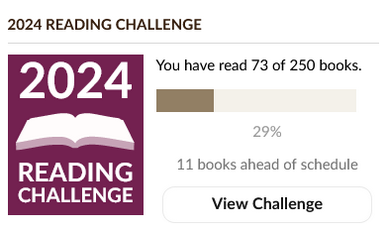
Goodreads Challenge
Goodreads Challenge 1st Quarter
That works for me.


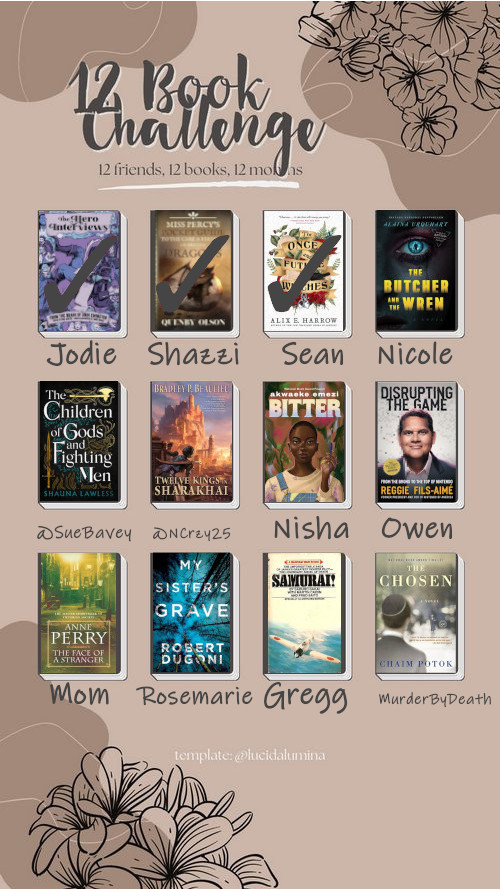
12 Books
12 Books Challenge
I haven’t made any dent this at all yet (I still haven’t written posts on 2 of the books that I read last year!!) It’s really getting under my skin.


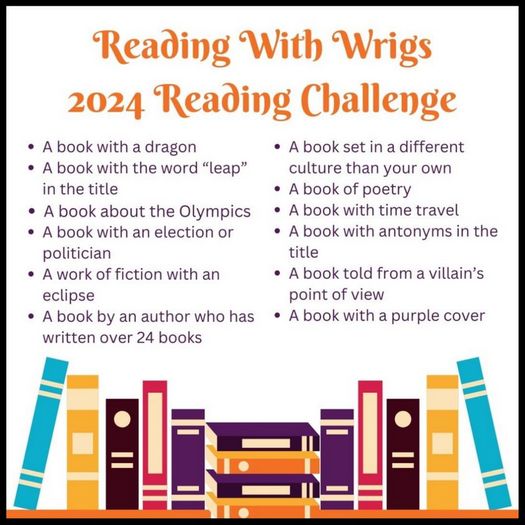
Reading with Wrigs
Reading with Wrigs

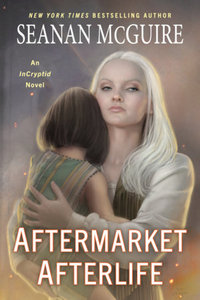
    • A Book with a Dragon: Aftermarket Afterlife by Seanan McGuire
    • A Book with the word “leap” in the title:
    • A Book with the Olympics:
    • A Book with an Election or Politician:
    • A Work of Fiction with an Eclipse:
    • A Book by an Author Who Has Written Over 24 Books: Dream Town by Lee Goldberg
    • A Book Set in a Different Culture Than Your Own:
    • A Book of Poetry:
    • A Book with Time Travel: A Quantum Love Story by Mike Chen
    • A Book with Antonyms in the Title:
    • A Book Told from the Villian’s Point of View:
    • A Book With a Purple Cover:

The 2024 Booktempter’s TBR Challenge

The 2024 Booktempter's TBR Challenge
I’m on-target for this one (as much as I can be), and have even got a couple of the Stretch Goals accomplished.
January – Lucky Dip: Randomly choose a book by someone you’ve never read before: Everyone in My Family Has Killed Someone by Benjamin Stevenson
Stretch Goal – In the same spirit I give you permission to read the last book to enter your TBR pile. Actually read something you’ve got yourself to recently read: Hacked by Duncan MacMaster
February – Lovers Meeting: No not romantasy focused – this challenge is somewhere in TBR is a delayed treat. Read an author you’ve loved and held back from reading because the time was not right. Its time for you two to get re-acquainted. Enjoy yourself! Return of the Griffin by JCM Berne
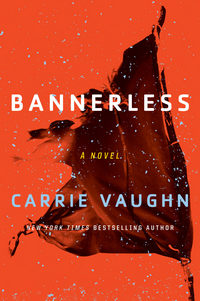
March – Spring :You know that first book of a series you bought and have now realised is now finished? You have my permission to read this at last. And you know what? Bannerless by Carrie Vaughn


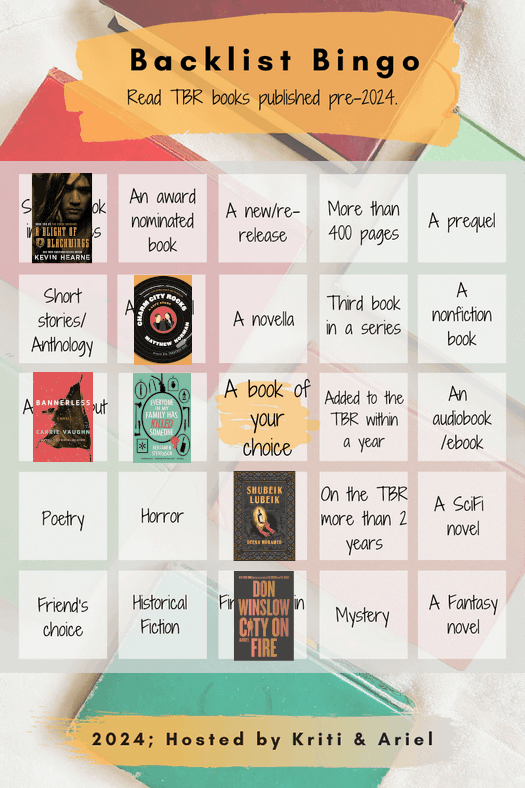
Backlist Bingo 2024
Backlist Bingo 2024 1st Quarter
I’m doing okay here…and am just going to pick up speed.


20 Books of Summer
I’ve started to pick the 20 Books of Summer Challenge, this is going to be fun.


(Image by Clker-Free-Vector-Images from Pixabay)

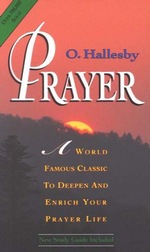
REPOSTING JUST CUZ: Prayer by Ole Hallsby

1. Yes, I’m doing too many of these lately. But I had a good reason for not finishing the post for today. 2. I really wanted to edit this, but I don’t have the time, so please be gracious to some sentences that need help. 3. I really needed to revisit this book and just reading my post about it helped me remember a lot of what I needed to see. So I’m chalking this up as something for me, and I’ll try to have something fresh for the next Lord’s Day.

PrayerPrayer

by Ole Hallesby

Papberback, 176 pg.
1994 (originally 1931), Augsburg Fortress

Read: September 3 – 10, 2017


The section from Calvin’s Institutes on prayer is fantastic, Wistsius’ book is incredibly helpful, Luther’s little A Simple Way is pretty good, as is Matthew Henry’s Method, but none of them have been as much help as this little book by Norweign Lutheran Ole Hallesby (at least that’s my guess, I’ve had years to chew on those others, only a couple of weeks for Hallesby). I heard of the book briefly on an episode of Christ the Center this summer, and then they devoted an entire episode to it later — I was halfway through the book when that second episode was posted, thankfully, they didn’t say anything that spoiled the ending. If not for those podcast episodes, I probably would’ve gone my whole life without ever hearing of this book. That would’ve been a shame.

He doesn’t set out to write a comprehensive book on the subject, or a systematized theology of prayer, but to present “a few simple rules for the benefit of souls who are fainting at prayer.” It’s not much of a rule book, thankfully, as much as it wants to be — more like a collection of helpful suggestions.

Hallesby describes two things that make up the attitude of prayer — helplessness and faith. Faith that Jesus can and will answer our prayers and a realization that we are helpless and need him to even pray. What he writes about helplessness is worth the price of the book alone. I think it’s changed the way I pray already. I would quote a bit of it here — and I started to, but I wasn’t sure where I’d stop. So let me just encourage you to grab the book.

I also really appreciated his discussion of how we “think we must help God to fulfill our prayer,” by giving Him lists of suggestions for how to and times when He can answer us. Instead, we are to faithfully pour out our need to Him, and then trust that He will answer as He sees best. I’d really never thought of it in those terms but we really can end up trying to tell God the best way to go about helping us — which flies in the face of our admitted helplessness in a given situation.

Hallesby covers the work of prayer, the struggles we may have in it, some suggestions for how to learn to pray better, as well as giving some answers to common questions about prayer (that seem to be the same questions I hear others having almost 100 years after this book was written, probably questions believers had 100 years before that, too). Throughout the book, you get a strong sense of a pastoral heart behind the words and advice, which makes it all much easier to heed.

It’s not a perfect book by any means — most of my problems have to do with the fact that I’m not a Lutheran, nor a Pietist. So, anything that leans too heavily on those traditions/characteristics are obviously going to at least raise my eyebrows, but on the whole those aspects of the book are quibbles. For example, his definition of prayer involves letting God help us, or his aversion to pre-written prayers (that one has many allies in my own tradition, so it is more of a note than anything). More substantial concerns are his utter lack of reference to — much less use of — the Psalms or the Lord’s Prayer. A book on prayer that doesn’t even touch on those is mind-boggling. None of these concerns or quibbles detract too much from the book — and they’re certainly outweighed by the help the book gives.

Pound-for-pound, the best book on the subject I’ve read. Easy to read, encouraging, convicting and insightful. Highly recommended.

—–

4 Stars

Saturday Miscellany—4/6/24

Not a lot of things to post about this week–incidentally, I took most of April 2014 off, so my flashbacks are going to be sparse until May. But, a new week is on the horizon, I have many plans to fill it, annnnd I get to go to the 2nd Annual Treasure Valley Book Fair in a couple of hours. That should re-energize me.

Odds ‘n ends about books and reading that caught my eye this week. You’ve probably seen some/most/all of them, but just in case:
bullet Why I wrote an AI transparency statement for my book, and think other authors should too
bullet A Garden of Verses: As commonplace books evolved into anthologies, they developed reputations as canonical works, their editors curating tomes as vibrant as the loveliest bouquets.
bullet Don Winslow Reflects on Writing His Final Novel: Winslow discusses ‘City in Ruins,’ crime in Las Vegas, and how to write an epic trilogy.—Friend of the Blog, Nick Kowlakowski, talks with Winslow. It’s a doozy (as should be expected)
bullet Speaking of Winslow, earlier this week, he tweeted his Five Must Read Books—I should move on a couple of these
bullet The Big Bang! Prize Anthology—I don’t know when this was announced, but I saw it for the first time yesterday. This should be fun.
bullet Oups, I Spend Way Too Long Writing Reviews
bullet Tough Questions with Bookstgram—Bookstgram gets to be on the business end of the tough questions this week.

A Book-ish Related Podcast episode (or two) you might want to give a listen to:
bullet The Thriller Zone Episode 175, Season 6: Don Winslow, New York Times Bestselling Author of City In Ruins —a fun and insightful discussion with the great one.
bullet Speaking of Mysteries Episode 257: Don Winslow—another good interview with Winslow. (although, if you’re only going to listen to one…make it the previous one)

This Week’s New Releases that I’m Excited About and/or You’ll Probably See Here Soon:
bullet City in Ruins by Don Winslow—The last book in the Danny Ryan trilogy (a modern-day take on the Trojan War and The Aeneid) and the last book Winslow is publishing before retiring. A bittersweet release to be sure.
bullet The World Entire by Jo Perry—follows up Perry’s Pure (which was possibly her best book yet), “Ascher returns in a fast-moving, intense, and layered mystery about a dog accused of murder and a violent group who are targeting the man Ascher loves.” Cannot wait to get my grubby hands on this.
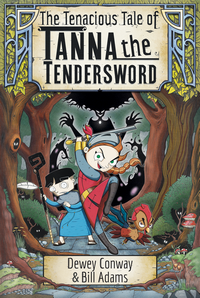
bullet The Tenacious Tale of Tanna the Tendersword/ by Dewey Conway & Bill Adams—A Champion-in-Training, her Chronicler-in-Training, and a sword-yielding rooster (with a prosthetic leg) take on an Epic Quest in this fun MG fantasy with some great art to boot. I’ve written a little bit about it (but I feel like I should’ve written more).
bullet Rites of Passage by M.D. Presley—kicks off a new UF series about a dowser on the run from the law, hired for a difficult challenge, but equipped with “his trusty dowsing rod, a defaced 50-cent piece, and enchanted iPod.” I asked Presley a Few Quick Questions about it earlier this week.
bullet An Inconvenient Wife by Karen E. Olson—A crime novel inspired by the intrigue of the Tudor-era features Kate Parker, the sixth wife of billionaire Hank Tudor, dealing with the discovery of a headless corpse near his property and two of Hank’s exes (with suspiciously familiar names). Mrs. Irresponsible Reader and I have been fans of Olson for a long time, this looks like it could be a lot of fun.

Reading books removes sorrow from the heart - Moroccan Proverb

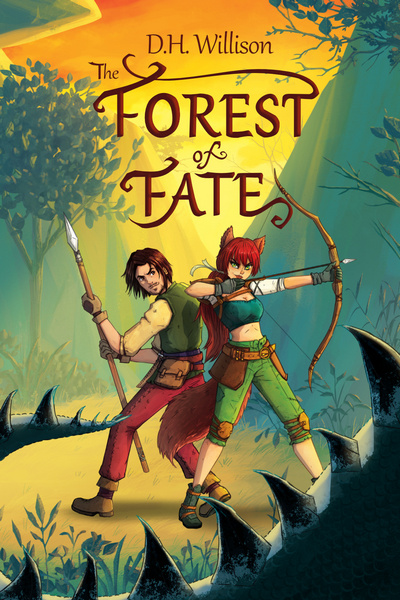
Cover Reveal: The Forest of Fate by D.H. Willison

I’m running late with this, but I’m very pleased today to welcome the Cover Reveal for D.H. Willison’s The Forest of Fate this morning! It’s a a stand-alone adventure romance set on the fantastical world of Arvia. Before we get to revealing the cover, let’s learn a little bit about the book and author, shall we? It’ll just take a moment, and then we can all take a peak at the cover.

Book Details:

Book Title: The Forest of Fate: A Tale of Adventure, Romance, and Forgiveness by D.H. Willison
Series: Tales of Avira
Genre: Fantasy adventure/fantasy romance
Length: 274 pages
Release Date: May 10, 2024

About the Book:

It’s us against the forest.

Stripped of weapons and exiled to the worst wilderness in the land, we have a three-week trek to reach a friendly settlement. Why am I facing a forest crawling with creepy monsters and overgrown with carnivorous trees, unarmed? That would be my companion, a cold-hearted wolf woman who looted an ancient artifact from the only safe haven in the Forest of Nightmares.

Will my future be dodging monsters by day and uneasy nights sleeping with one eye open? Or will we work together to survive this nightmare?

The Forest of Fate, an adventure romance set on the wild and fantastical world of Arvia, is a tale of ordinary people overcoming the impossible.

Including their pasts.

About the Author:

D.H. WillisonD.H. Willison is a reader, writer, game enthusiast and developer, engineer, and history buff. He’s lived or worked in over a dozen countries, learning different cultures, viewpoints, and attitudes, which have influenced his writing, contributing to one of his major themes: alternate and creative conflict resolution. The same situations can be viewed by different cultures quite differently. Sometimes it leads to conflict, sometimes to hilarity. Both make for a great story.

He’s also never missed a chance to visit historic sites, from castle dungeons, to catacombs, to the holds of tall ships, to the tunnels of the Maginot Line. It might be considered research, except for the minor fact that his tales are all set on the whimsical and terrifying world of Arvia. Where giant mythic monsters are often more easily overcome with empathy than explosions.

Subscribe to his newsletter for art, stories, and humorous articles (some of which are actually intended to be humorous).

Author Links:

Website ~ Instagram ~ Facebook ~ Twitter ~ Goodreads

and now…

The Cover

The Forest of Fate: A Tale of Adventure, Romance, and Forgiveness

Credit goes to Papaya for that little treat for your eyes.

Keep your eyes peeled for this book, folks. It’ll be out in a little over a month and will be worth the wait!
Irresponsible Reader Pilcrow Icon

March 2024 in Retrospect: What I Read/Listened to/Wrote About

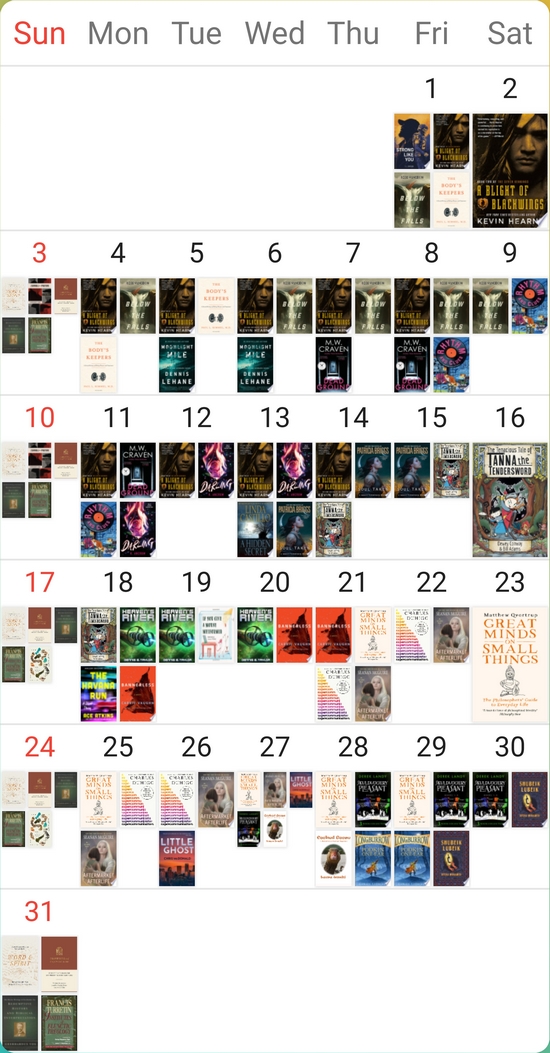
I finshed 24 titles (2 up from last month, 5 down from last March), with an equivalent of 6,867 pages or the equivalent (1,503 up from last month), and gave them an average of 3.7 stars (two months in a row).
I read some great books, made some solid progress on reading goals…annnnd wrote very little. I think I said something about life getting back to a routine on the February wrap up…and I was apparently wrong.

I know, I know…I shouldn’t beat myself up about that kind of thing–this is a hobby. But the hobby is only fun when you’re doing it, and I haven’t done much lately. Gotta figure out how to fix that.

Anyway, here’s what happened here in March.
Books/Novels/Novellas Read/Listened to

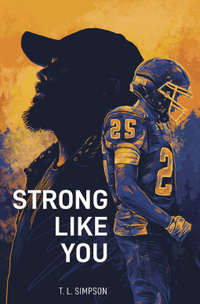
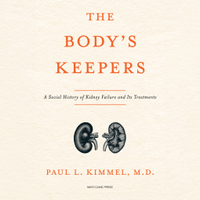
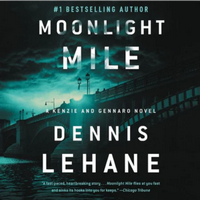
Strong Like You The Body’s Keepers Moonlight Mile
4 1/2 Stars 4 Stars 4 Stars
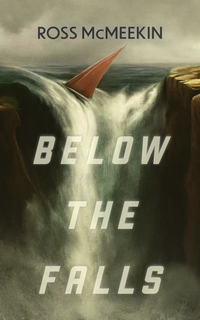
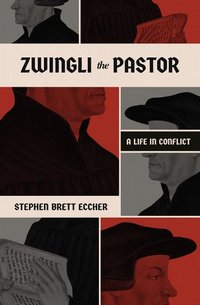
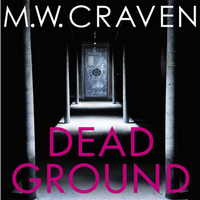
Below the Falls Zwingli the Pastor Dead Ground
3.5 Stars 4 Stars 5 Stars
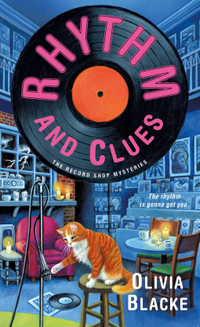
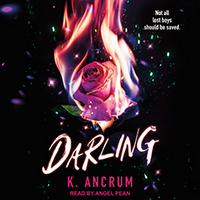
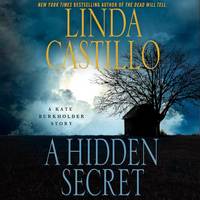
Rhythm and Clues Darling A Hidden Secret
3.5 Stars 3.5 Stars 3 Stars
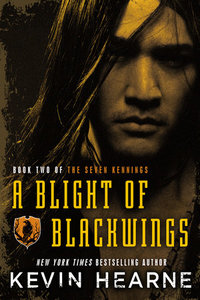
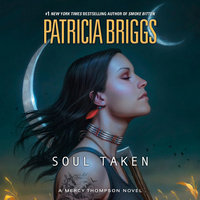
A Blight of Blackwings Soul Taken The Tenacious Tale of Tanna the Tendersword
4 Stars 3.5 Stars 3.5 Stars
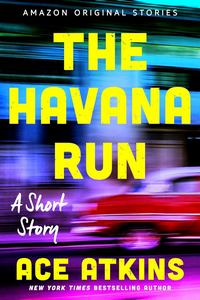
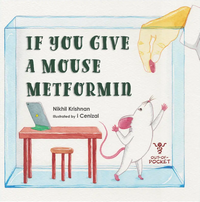
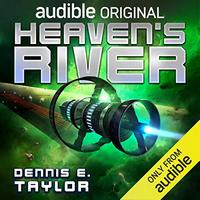
The Havana Run If You Give A Mouse Metformin Heaven's River
2 1/2 Stars 3 Stars 4 1/2 Stars
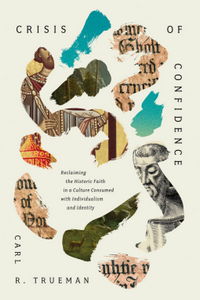
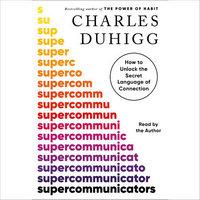
Bannerless Crisis of Confidence Supercommunicators
3.5 Stars 4 Stars 3.5 Stars
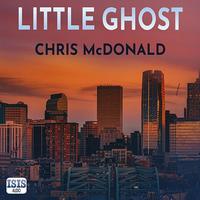
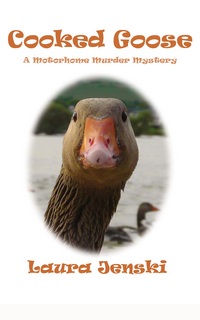
Aftermarket Afterlife Little Ghost Cooked Goose
4 1/2 Stars 3.5 Stars 3 Stars
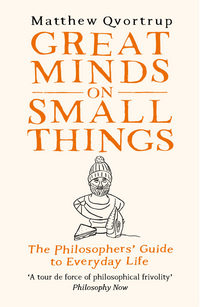
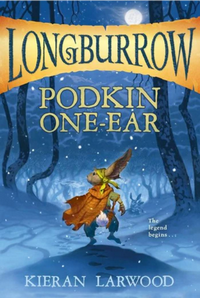
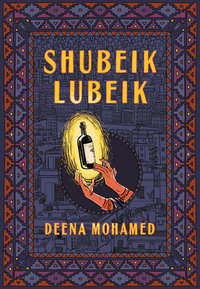
Great Minds on Small Things Podkin One-Ear Shubeik Lubeik
3.5 Stars 3 Stars 4 1/2 Stars

Still Reading

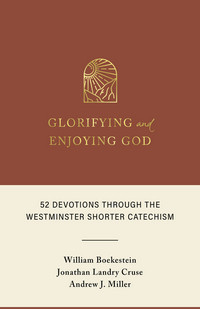
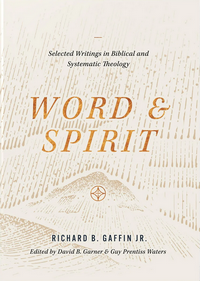
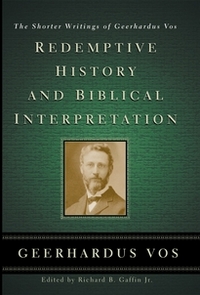
Glorifying and Enjoying God Word and Spirit Redemptive History & Biblical Interpretation
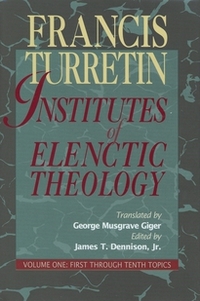
Institutes of Elenctic Theology Vol. 1 The Faceless Ones

Ratings

5 Stars 1 2 1/2 Stars 1
4 1/2 Stars 4 2 Stars 0
4 Stars 5 1 1/2 Stars 0
3.5 Stars 9 1 Star 0
3 Stars 4
Average = 3.7

TBR Stacks/Piles/Heaps

Audio E-book Physical Goodreads
Want-to-Read
NetGalley
Shelf/ARCs/Review Copies
End of
2023
6 46 68 153 5
1st of the
Month
5 47 65 154 9
Added 3 4 5 2 1
Read/
Listened
4 1 6 2 5
Current Total 4 50 64 154 5

Breakdowns:
“Traditionally” Published: 18
Self-/Independent Published: 6

Genre This Month Year to Date
Children’s 0 (0%) 3 (5%)
Fantasy 4 (17%) 10 (16%)
General Fiction/ Literature 2 (8%) 7 (11%)
Mystery/ Suspense/ Thriller 8 (33%) 18 (29%)
Non-Fiction 4 (17%) 7 (11%)
Science Fiction 2 (8%) 6 (10%)
Theology/ Christian Living 2 (8%) 6 (10%)
Urban Fantasy 42 (8%) 6 (10%)
“Other” (Horror/ Humor/ Steampunk/ Western) 0 (0%) 0 (0%)

Review-ish Things Posted

Other Things I Wrote
Other than the Saturday Miscellanies (2nd, 9th, 16th, 23rd Sat, and 30th), I also wrote:

Enough about me—how Was Your Month?


March Calendar

WWW Wednesday, April 3, 2024

So…this is has been a week. (as you might have noticed from the lack of new material from me) I’ve managed to make some good progress on my current read, but that’s about it. I’m not sure I have high hopes for the rest of the week when it comes to the blog, but you never know. I might surprise myself.

This meme was formerly hosted by MizB at A Daily Rhythm and revived on Taking on a World of Words—and shown to me by Aurore-Anne-Chehoke at Diary-of-a-black-city-girl.

The Three Ws are:
What are you currently reading?
What did you recently finish reading?
What do you think you’ll read next?

Seems easy enough, right? Let’s take a peek at this week’s answers:

What are you currently reading?

I’m reading the beyond-gripping Smoke Kings by Jahmal Mayfield (with big thank you to Raven Crime Reads, otherwise I might have let this one slip by), and am listening to Finlay Donovan Rolls the Dice by Elle Cosimano, read by Angela Dawe on audiobook–sillier, funnier, and more madcap than the previous books.

Smoke KingsBlank SpaceFinlay Donovan Rolls the Dice

What did you recently finish reading?

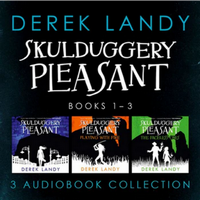
I just finished Deena Mohamed’s Shubeik Lubeik and Skulduggery Pleasant: The Faceless Ones Trilogy by Derek Landy, read by Rupert Degas on audio.

Shubeik LubeikBlank SpaceThe Faceless Ones

What do you think you’ll read next?

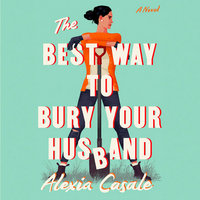
My next book should be for Namaste Mart Confidential by Andrew Miller and my next audiobook should be The Best Way to Bury Your Husband by Alexia Casale, read by Ambreen Razia, Ayesha Antoine, Bea Holland and Imogen Church.

Namaste Mart ConfidentialBlank SpaceThe Best Way to Bury Your Husband

What are you into this week?

PUB DAY (and updated) REPOST: The Tenacious Tale of Tanna the Tendersword by Dewey Conway & Bill Adams: A Would-Be Champion, A Would-Be Scribe, and a Fire-Burping Rooster

When I first posted about this book, I said I couldn’t say much about the art because my ARC didn’t include much of it. Well, the authors fixed that for me, so I’ve augmented that section a little bit.

The Tenacious Tale of Tanna the TenderswordThe Tenacious Tale of Tanna the Tendersword

by Dewey Conway & Bill Adams

DETAILS:
Series: The Chronicles of Tanna the Champion by Galdifort Quillpen, #1
Publisher: Willow Wraith Press
Publication Date: April 2, 2024
Format: eARC
Length: 283 pg.
Read Date: March 14-18, 2024

What’s The Tenacious Tale of Tanna the Tendersword About?

Tanna is an aspiring Champion, a hero in training, and a student at Edic Academy of Valient Adventurers who is looking for her first quest. It ought to be small, as she’s young and inexperienced, this is the chance to show that she can accept a challenge and complete it successfully, thereby earning the opportunity to further her education.

Traveling with her is a Chronicler-in-training. His duty is to accompany her as she seeks for and then completes her quest, writing the official (and perhaps mildly dramatized) version of her heroics. When/if Tanna becomes a full-fledged Champion, he (or another Chronicler) will accompany her, so someone can tell the tale of her adventures for the entertainment and edification of non-heroes. Galdifort Quillpen is less than appreciative that Tanna’s search for a quest centers on a village populated largely by pigs and pigherders. The sights, smells, and sounds are not what he had in mind.

But she’s not finding a quest, and they only have a few days before they have to return to the Academy. Returning empty-handed will set them back in their training—perhaps derailing it entirely. Tanna is keeping busy helping people with chores and being friendly—but that’s not a guidebook-approved quest.

She excitedly comes to him, however, with an opportunity. Someone knows someone who can send them on a search to request for a quest. They only have to talk to a few people, travel after curfew (and a great distance) to a place that will put them very near the territory of a witch who is largely only referred to as What’s-Her-Name, to hopefully find the person with a quest. Tanna’s dogged determination and some rather exciting circumstances force Galdifort into agreeing to go along with her (complaining and objecting the entire way).

And that’s just the beginning…

Along the way, they will meet a peg-legged Rooster who is a vicious fighter, talking (and crying) mushrooms, a giant hawk-like bird, and enough other strange creatures to fill a Bingo card. They’ll face dangers and personal challenges. And maybe, just maybe, learn something. You know, if they survive.

Spoon!

Okay, Tanna doesn’t have a battle cry that silly. (Yet?) But throughout the book the relationship between Tanna and Galdifort reminded me so much of The Tick and Arthur (in every incarnation, but primarily the animated version, just because I’ve spent more time with that one). Tanna has The Tick’s optimism, the sheer belief that things will work out, she’ll vanquish her foes, and that the right will prevail—because that’s how it goes. She also has The Tick’s, um, poor grasp on vocabulary, understanding of complicated matters, obliviousness toward their companion’s attitutde, and propensity for overblown dialogue.

Meanwhile, Galdifort has Arthur’s intelligence, reluctance to rush into danger, preoccupation with the kinds of things that their heroic companions miss, pessimism (they’d both argue realism), and both find themselves more loyal to and confident in their companion.

I don’t think that Conway and Adams consciously modeled their duo on Edlund’s—but there are worse ideas. I think it’s just that this combination of traits really works for comedy, drama, and ongoing character development. Something they all discovered and used to well. It’s also a good way to explain to blog readers of a certain age what kind of character dynamics are present when they buy a copy of this book of their MG readers (or themselves, I don’t judge).

The Illustrations

(somewhat edited, as I indicated above, but just somewhat.)

Because, I’m so lousy at describing art, I do want to point you to some samples on the author’s site, and they are great. Cute as all get out, Galdifort’s personality is captured perfectly. Tanna’s wide-eyed optimism and energy is clear. And I’d love a print of that Peggs illustration.

So, that’s the flavor. The art isn’t a major component of the book–there’s a small illustration on the first page of each chapter, just a little bit of eye-candy. There are some medium-large illustrations scattered throughout the text as well. Nothing to distract you from the story (well, much). Mostly their purpose appears to be to grab your eyes and suck you in. They are whimsical (there’s one that depicts a miserable and harrowing experience, but even the illustration is a little whimsical–without taking away from the misery), and add just a little pizazz to the experience. The text doesn’t require them, but I can’t imagine that they’d do anything but entertain and engage the reader.

Consider me a Dewey Conway fan.

So, what did I think about The Tenacious Tale of Tanna the Tendersword?

This was ridiculously fun. I wish I was in Middle Grades so I could appreciate it a bit more—I’m too jaded and old to really get into it the way I wanted to, I could see what the authors were doing, and so on. It took a little bit of the fun out of it for me. But when I could suspend my, um, advanced adulthood and just enjoy the story, boy howdy, did I.

There were some rough patches for me when it came to grammar and language, and they most likely will have been addressed by publication. I couldn’t even tell you what they were now, so they were pretty minor (nor could I find them easily, because I tried). But I can’t imagine that any 5th +/- grader is going to pick up on them (or care).

The humor and heart are both evident throughout—I don’t know that I laughed out loud (see the jaded bit above), but I was frequently amused. There were some subtle messages/life lessons woven into the text that I appreciated and probably won’t come across as messages or life lessons for the target reader. I have to be vague with what I liked because a lot of the fun is in the discovery—or the way that Galdifort grumpily engages with or describes the world around him (he’s not quite Puddleglum or Eeyore, but he could get there one day with enough effort). But I assure you, it’s entertaining from at least page 3 right up to the end.

I think the experience would be enhanced a bit by having the illustrations, but even without them, I was entertained. The Tenacious Tale of Tanna the Tendersword is good, wholesome fun that will surely engage most readers of all ages, with a satisfying conclusion—and a good hook to bring us all back for the second in the trilogy.

Disclaimer: I received a copy of this ARC from the authors in exchange for my honest opinion.


3.5 Stars

Irresponsible Reader Pilcrow Icon

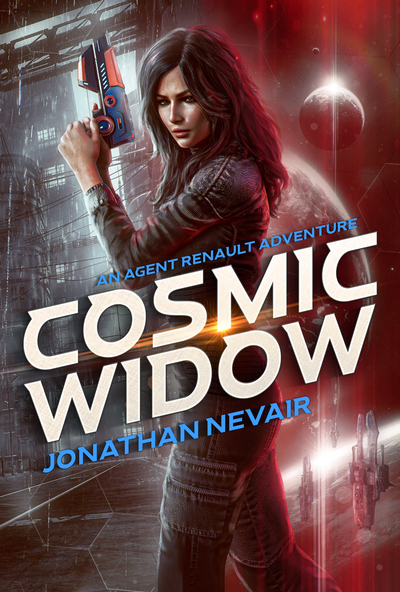
COVER REVEAL: Cosmic Widow by Jonathan Nevair

I’m very pleased to welcome the Cover Reveal for Jonathan Nevair’s Cosmic Widow to The Irresponsible Reader this morning! This novel is the third in this series of stand-alone SF adventures. Incidentally, the other two books in the series, To Spy a Star and Stellar Instinct are on sale .99c on April 2nd for the Cover Reveal. Before we get to revealing the cover, let’s learn a little bit about the book and author, shall we? It’ll just take a moment, and then we can all feast on the cover.

Book Details:

Book Title: Cosmic Widow by Jonathan Nevair
Series: Agent Renault Adventures, Book 3
Genre: Adult Science Fiction
Publisher: Cantinool Books
Release date: November 19, 2024
Preorder Date: September 1, 2024

About the Book

A deadly race to recover a priceless portrait.

When the legendary Cosmic Widow vanishes from the galaxy’s premiere art museum, Agent Lilline Renault delves into a shadowy underworld to hunt down the missing masterpiece.

Her only clue: the thief’s enigmatic calling card. Following a scant trail of evidence, Lilline crosses paths with shady art dealers, eccentric university professors, and elusive forgers in a tangled search for the stolen work of art.

But the robber’s end game is more sinister than mere theft. Sleeping secrets stir inside the Cosmic Widow… If they wake, an arcane mystery locked away for ages could spell disaster across the stars.

About the Author

Jonathan NevairJonathan Nevair is a science fiction writer and educator originally from Long Island, NY. After two decades in the classroom, he finally got up the nerve to write fiction. His character-driven space operas and spy-fi thrillers have been nominated for multiple awards, including the National Fantasy Fan Federation Laureate Award (Stellar Instinct) and the Indie Ink Awards (Wind Tide and Stellar Instinct). Jati’s Wager was a 2022 Indie Ink Awards finalist and runner-up for the category, Writing the Future We Need: Nonbinary Representation. His short fiction is published in sci-fi journals, including Simultaneous Times.

Jonathan lives in southeastern PA with his wife and rambunctious mountain feist, Cricket. When not writing and teaching, he spends his time chasing his dog through the woods and stargazing with dreams of walking in space.

Website ~ Instagram ~ Twitter ~ Facebook ~ Amazon Author Page ~ Goodreads ~ Indie Story Geek ~ Bookbub

and now…

The Cover

Cosmic Widow Cover

This eye-catching cover is the handiwork of Cover Artist/Designer: MIBLart.

Be sure to preorder this in September—and get the first books in the series, To Spy a Star and Stellar Instinct on sale .99c on April 2nd

Irresponsible Reader Pilcrow Icon

A Few Quick Questions With…M.D. Presley

Today is Publication Day for Rites of Passage the first book in the Inner Circle Urban Fantasy series. Here’s a quick description:
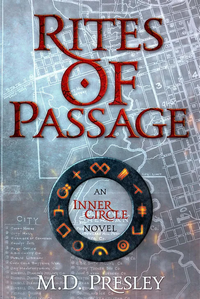
Rites of Passage CoverCorbin James has never been so lost. Able to dowse since a kid, he’s adept at finding missing things. But after weeks on the run from the FBI, the teen’s luck has finally run dry.

Enter the enigmatic Mister with a tempting offer: find an enchanter who has disappeared inside the mysterious Harmon House. Recruited into a reluctant crew of motley magicians, Corbin only has days to navigate their shifting loyalties to earn his freedom by entering the Inner Circle.

Lucky for him he’s got his trusty dowsing rod, a defaced 50-cent piece, and enchanted iPod.

I’m really looking forward to reading this. In honor of Publication Day, I have a quick Q&A with the author, M.D. Presley. I had to come up with these questions before starting the book, which I’ve only done once before. I think it came out not-terribly-awkward. Either way, I enjoyed reading the answers and hope you will, too.


Why don’t you take a moment to introduce yourself to the readers, and tell us about your books in general, before hitting us with an elevator pitch for Rites of Passage?
Greetings, mortals. I am Matt, and I write as M. D. Presley. I’m a screenwriter by training, with a few shows and movies released in China, although I don’t speak a lick of Mandarin. Publishing is my outlet for the stories that I actually want to tell, which are not constrained by such paltry things as budgets or directors. Or censors.

Rites of Passage is an urban fantasy mystical murder mystery that’s miraculously not in the Dresden or Anita Blake molds. It’s a whodunnit involving a young dowser who’s pressed into finding an enchanter that’s gone missing in his own home. It harkens back to the non-noir mysteries from yesteryear, in that you could almost call it cozy if you only went by body count. But it’s got a little too much cosmic and body horror for that.

It’s my love letter to 90s Vertigo comics, where the urban fantasy is always just around the corner or hiding in the shadows, but is wonderous if you have the right set of eyes to see it. But it’s also strange and a little bit frightening.

Looking over your website, worldbuilding is something you’ve spent a lot of time thinking about it—not only implementing it in two pretty distinct fictional worlds—but you’ve got some books about it geared for writers. Hopefully, I’m not asking you to say anything that makes buying one of those books moot here. But what are the big things that an author should think about before trying to create a fictional world—what are a couple of the big mistakes people tend to make as they learn the hard way how to do this?
I’ve spent a few hundred pages and many YouTube hours trying to sum up the idea of purposeful worldbuilding, so I’ll give one half-useful conceptual answer and one practical one.

Conceptually, practice the old Bruce Lee adage of use what works and discard the rest. I stand by a “tools not rules” approach, which means you should be open to learning everyone’s theories and techniques, and then distill the ones that work for you without ignoring what you’ve learned from the discarded bits. I’m personally a big top-down designer and cannot write by a bottom-up, discovery approach. However, I’ve studied those approaches and use them when they’re appropriate in my own writing.

Basically, worldbuilding is always a process in progress.

Practically, my biggest word of advice is to keep a bible of your world, characters, and plot. It doesn’t have to be terribly in-depth, but it’s good to have it all in one place. And if you do keep one with characters JOT DOWN THEIR PHYSICAL DESCRIPTIONS. Nothing is worse than combing through hundreds of pages of your own writing just to determine if your own creation is brown-haired or left-handed. Doing so is probably the fastest way to turn something you love into homework.

For you, at the end of the day—creating believable characters, worldbuilding, or the story—what’s harder? What’s more rewarding? What do your readers tend to react to the most?
It’s trite, but I’ve learned how characters, plot, and worldbuilding all need to balance and feed into one another. I was a big plot-proponent in my early days, and took a long time to understand I needed to spend equal time on the characters so the audience would actually want to know what happens to them in the plot. Worldbuilding is the same way in that it can be enchanting in terms of its details and scale, but it’s just window dressing without vibrant characters populating it. Mark JP Wolf points out that worlds can exist without stories, but stories cannot exist without worlds, which just underscores the symbiotic nature of the three of them.

At this stage in my career, I feel I have a pretty good balance on the three of them. Which means I should probably start focusing my attention on my wooden prose.

No matter how many books you have under your belt, as I understand, each novel/series tends to be a different experience than the one(s) before. What was the part what was the biggest surprise about the process of writing Rites of Passage? Either, “I can’t believe X is so easy!” or “If I had known Y was going to be so hard, I’d have skipped this and watched more TV”?
This sounds dumb after just saying I’m a top-down designer who focuses on plot, but Rites of Passages reiterated how much I need to know what happens in the story before I sit down to write it. Especially when it’s a mystery. Traditional plotting methods may tell you what needs to happen in the story for that beat to function, but I learned the hard way that I really need to design the villain’s plans and motivation ahead of time. If the villain’s plans don’t make sense from their perspective, then the story’s logic will eventually break down, no matter how well the plot holds together from the hero’s perspective.

I’ve taken this hard-won lesson to heart as I plot out the villains first in the sequel, and the process has sped up considerably.

Is there a particular supporting character that ended up becoming a favorite of yours? Do you ever start to wonder if a supporting character should’ve been the protagonist? Talk about them a little bit and how the reaction is different. What’s the key, for you, in writing a great supporting character, and how did that (if you can manage this without an essay) work with this particular character?
In screenwriting it’s understood that supporting characters are more fun to write because they can be over the top, since they’re not carrying the show. They can be outlandish and weird because not nearly as much is riding on them, which is why they have the freedom to become fan favorites. And I have a feeling that in Rites of Passage Kirin will be this character for me.

She’s a bit of a manic pixie dream girl in the first book, but that portrayal is also because we’re encountering her through the eyes of a young man. But she’s going to show up in many more of the books, and her character will get to show more facets throughout, both because she gets more screen time, and because the protagonist’s understanding of the world matures. In fact, I think she probably has a bigger arc than even the protagonist.

What’s next for M.D. Presley, author? Does that depend on the reaction to Rites of Passage or are you already neck deep in your next project or five?
I have material for about eight more books in this series, The Inner Circle, and am already at work on the second one. I’m juggling some screenwriting gigs with it, which is annoying since you never know when or if they’ll pop up to derail my writing momentum. On the worldbuilding front, I’m hoping to put together a free book detailing my method for understanding fantasy magic systems, which is currently scattered around on my website.

Thanks for your time and participation! I’m looking forward to seeing what Rites of Passage has to offer!


Hopefully by now, reader, you’re thinking you’d like to look into Presley’s work. Go check out his website, and show him the Release Day love and order Rites of Passage!
A Few Quick Questions

Opening Lines: Miracles by C.S. Lewis

from Miracles by C.S. Lewis:

In all my life I have met only one person who claims to have seen a ghost. And the interesting thing about the story is that that person disbelieved in the immortal soul before she saw the ghost and still disbelieves after seeing it. She says that what she saw must have been an illusion or a trick of the nerves, And obviously she may be right. Seeing is not believing.

For this reason, the question whether miracles occur can never be answered simply by experience. Every event which might claim to be a miracle is, in the last resort, something presented to our senses, something seen, heard, touched, smelled, or tasted. And our senses are not infallible. If anything extraordinary seems to have happened, we can always say that we have been the victims of an illusion. If we hold a philosophy which excludes the supernatural, this is what we always shall say. What we learn from experience depends on the kind of philosophy we bring to experience. It is therefore useless to appeal to experience before we have settled, as well as we can, the philosophical question.

If immediate experience cannot prove or disprove the miraculous, still less can history do so. Many people think one can decide whether a miracle occurred in the past by examining the evidence “according to the ordinary rules of historical inquiry.” But the ordinary rules cannot be worked until we have decided whether miracles are possible, and if so, how probable they are. For if they are impossible, then no amount of historical evidence will convince us. If they are possible but immensely improbable, then only mathematically demonstrative evidence will convince us: and since history never provides that degree of evidence for any event, history can never convince us that a miracle occurred. If, on the other hand, miracles are not intrinsically improbable, then the existing evidence will be sufficient to convince us that quite a number of miracles have occurred, The result of our historical enquiries thus depends on the philosophical views which we have been holding before we even began to look at the evidence, The philosophical question must therefore come first.

Here is an example of the sort of thing that happens if we omit the preliminary philosophical task, and rush on to the historical. In a popular commentary on the Bible you will find a discussion of the date at which the Fourth Gospel was written. The author says it must have been written after the execution of St. Peter, because, in the Fourth Gospel, Christ is represented as predicting the execution of St. Peter. “A book,” thinks the author, “cannot be written before events which it refers to.” Of course it cannot—unless real predictions ever occur. If they do, then this argument for the date is in ruins, And the author has not discussed at all whether real predictions are possible. He takes it for granted (perhaps unconsciously) that they are not. Perhaps he is right: but if he is, he has not discovered this principle by historical inquiry. He has brought his disbelief in predictions to his historical work, so to speak, ready made. Unless he had done so his historical conclusion about the date of the Fourth Gospel could not have been reached at all. His work is therefore quite useless to a person who wants to know whether predictions occur, The author gets to work only after he has already answered that question in the negative, and on grounds which he never communicates to us.

This book is intended as a preliminary to historical inquiry. I am not a trained historian and I shall not examine the historical evidence for the Christian miracles, My effort is to put my readers in a position to do so. It is no use going to the texts until we have some idea about the possibility or probability of the miraculous, Those who assume that miracles cannot happen are merely wasting their time by looking into the texts we know in advance what results they will find for they have begun by begging the question.

Opening Lines Logo

Page 105 of 603

Powered by WordPress & Theme by Anders Norén